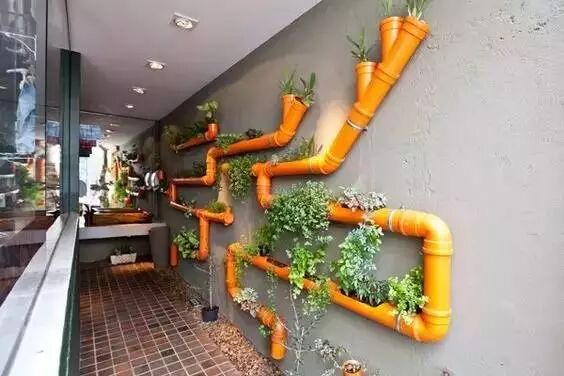
- A New Trend in Urban Agriculture: Turning Small Balconies into Food Gardens
- Real-Life Success Story: A Balcony Garden That Yields Big Results in a Small Space
- A Guide to Choosing Vegetables for Balcony Gardening
- The Complete Guide to Container Gardening on Your Balcony
- Start Your Balcony Vegetable Garden
Learn how to create a high-yield vegetable garden on a small balcony and grow over 20 varieties of fruits and vegetables in limited space. This comprehensive guide to urban balcony gardening covers beginner-friendly vegetable selections, practical container gardening techniques, and seasonal planting guidelines to help you maximize your balcony harvest.
A New Trend in Urban Agriculture: Turning Small Balconies into Food Gardens
With the acceleration of urbanization and the growing pursuit of sustainable lifestyles, balcony vegetable gardening has become a practical solution for city dwellers to access fresh produce. Even in limited spaces of just 5–9 square meters, a carefully planned balcony garden can yield a bountiful harvest, offering both nutritional and psychological benefits.
The global pandemic has exposed the fragility of food supply chains, leading more urban residents to recognize the sense of security and fulfillment that comes from growing their own food. Beyond its practical value, balcony gardening also has therapeutic effects, reconnecting people with nature while transforming underutilized spaces into productive green areas.
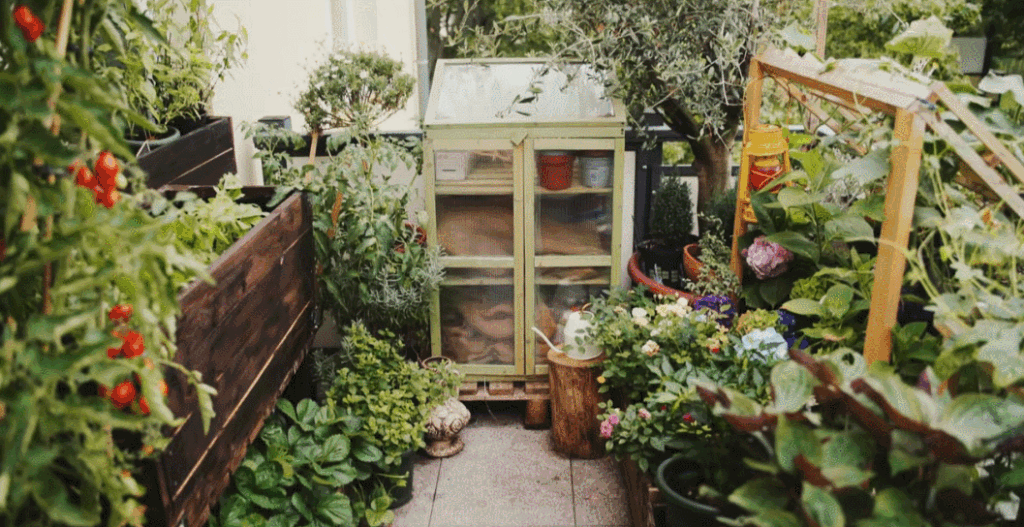
Real-Life Success Story: A Balcony Garden That Yields Big Results in a Small Space
Echo’s 5.9-Square-Meter North-Facing Balcony Garden
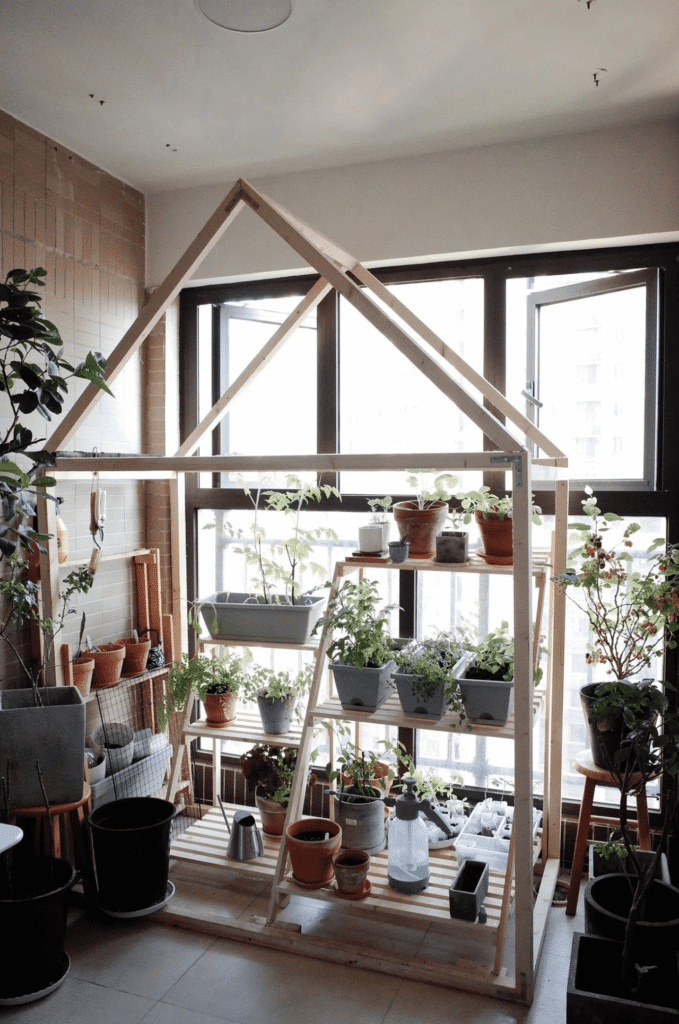
Echo, an illustrator in her 20s, transformed her 5.9-square-meter north-facing balcony into a highly productive food garden. Despite limited sunlight, she has successfully grown dozens of varieties, including tomatoes, chili peppers, mint, sweet potato leaves, lemon trees, pomegranates, blueberries, plum trees, passion fruit, and grapes.
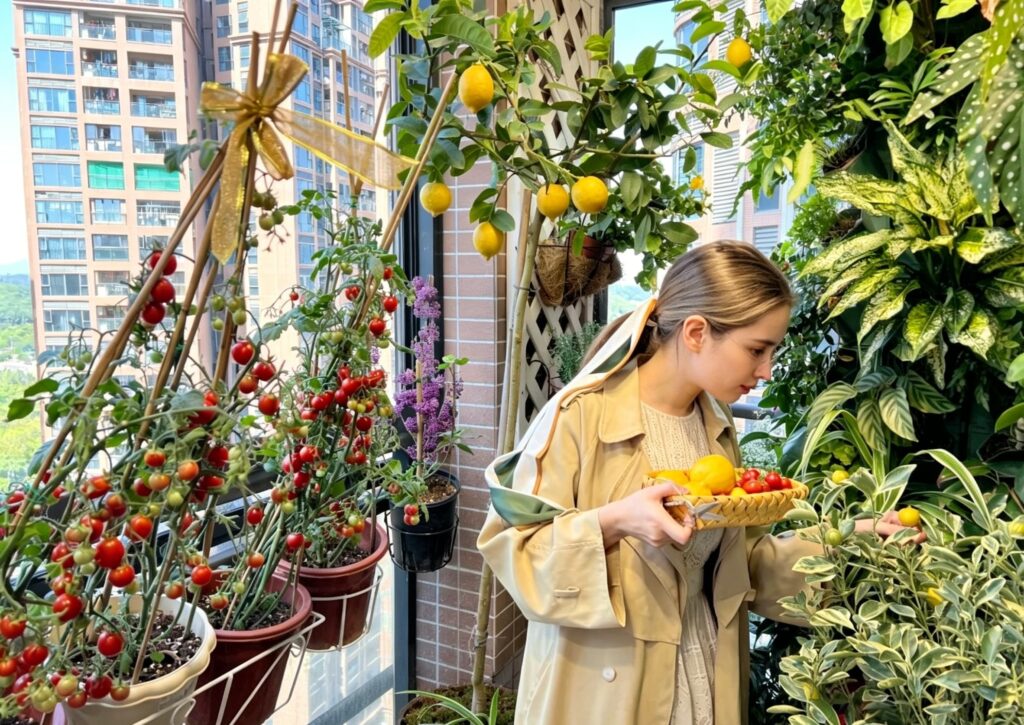
Her secrets to success include:
Automated Irrigation System: An aquaponics system designed by her programmer husband provides a continuous supply of water and nutrients
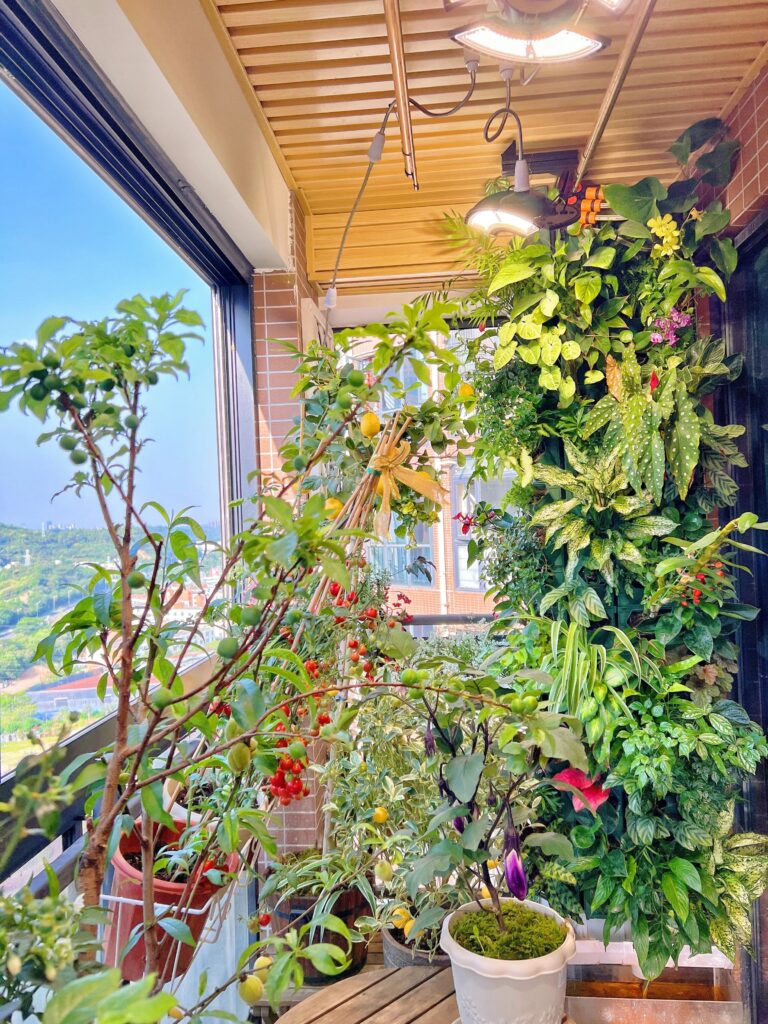
Plant Grow Lights: Since the north-facing balcony lacks sufficient sunlight, Echo uses LED grow lights for 9 hours a day to ensure proper photosynthesis
Pest Management: Simple mosquito traps effectively control common pests like fruit flies
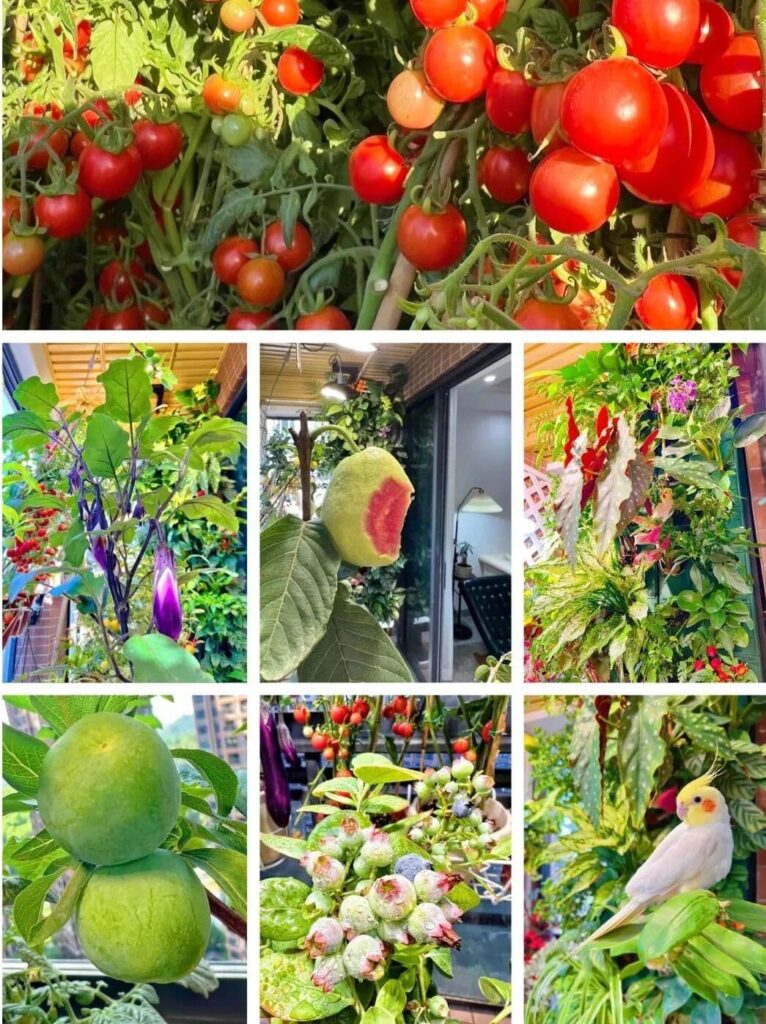
Vertical Gardening: Through careful layout and container selection, she maximizes every inch of space
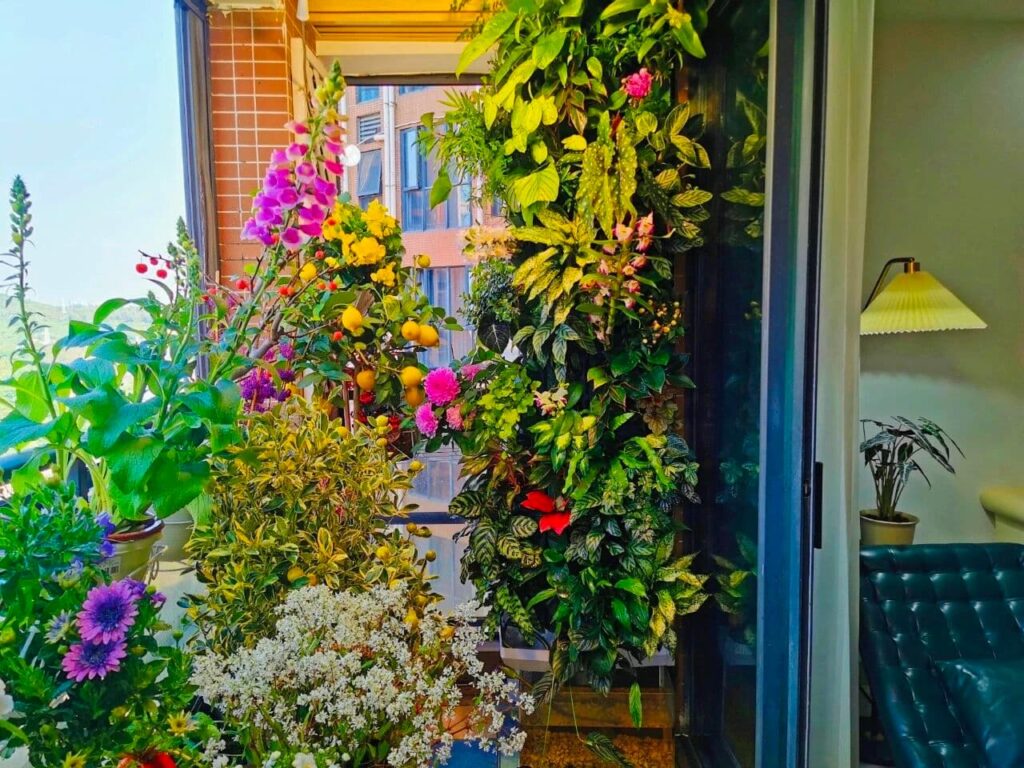
Thuy Dao’s 8-Square-Meter Balcony Makeover
Vietnamese Instagram influencer Thuy Dao transformed her 8-square-meter balcony—which originally held only a few potted plants—into a high-yield vegetable garden. Faced with space constraints, she built raised planting beds and utilized vertical space for container gardening.
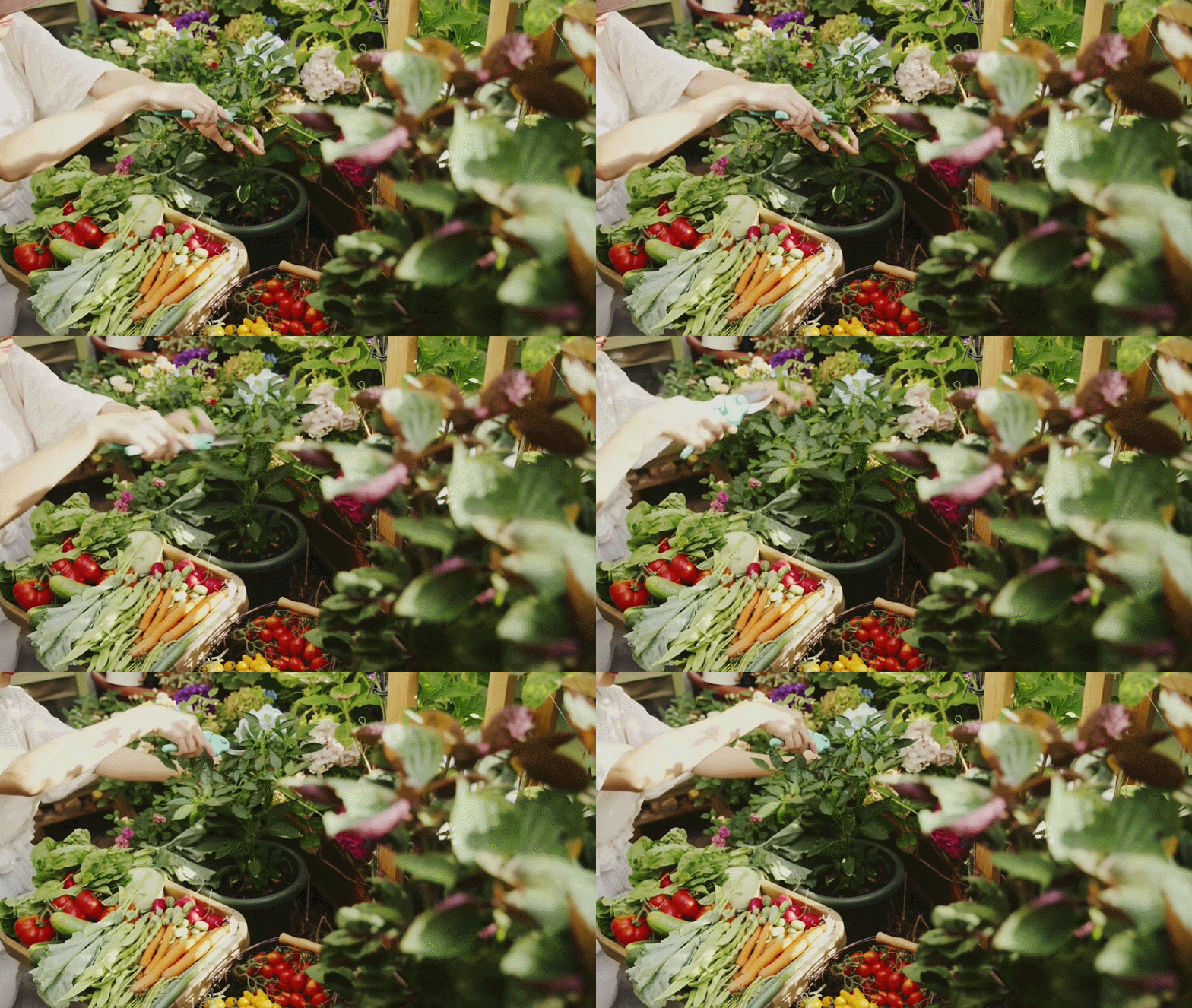
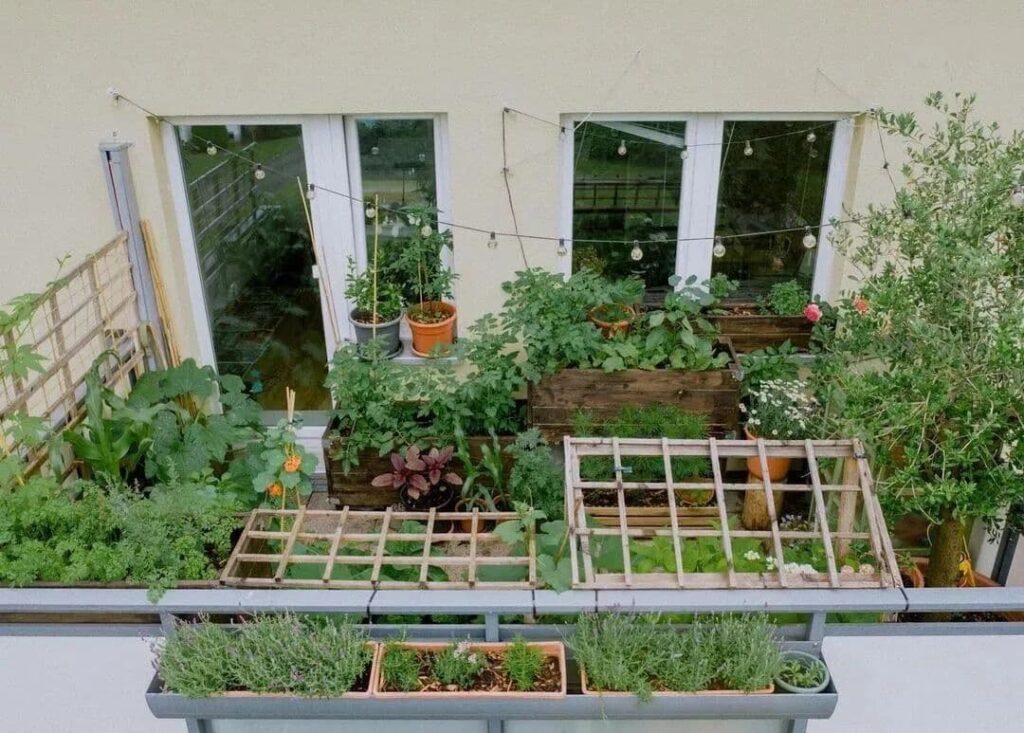
Her garden now produces over 20 varieties, including:
Solanaceae: Tomatoes, chili peppers, eggplants
Leafy greens: cabbage, lettuce
Root vegetables: carrots
Fruit-bearing plants: strawberries, cucumbers, zucchini, green beans
Herbs and aromatic vegetables
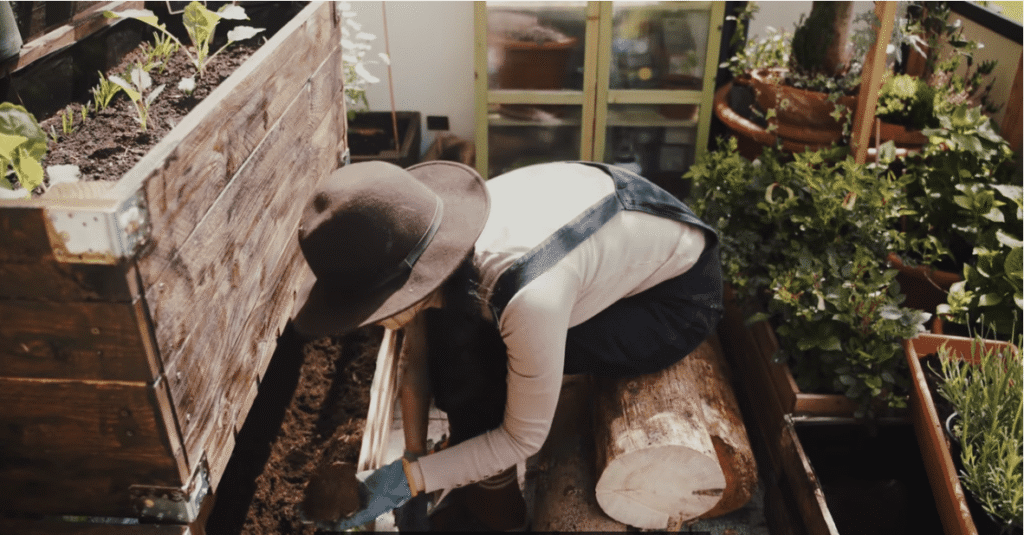
Thuy emphasized the therapeutic benefits of observing the plants grow every day, as well as the satisfaction of picking fresh, clean vegetables herself.
A Guide to Choosing Vegetables for Balcony Gardening
The Best Vegetables for Beginners
For those new to balcony gardening, these nearly foolproof options will quickly give you a sense of accomplishment:
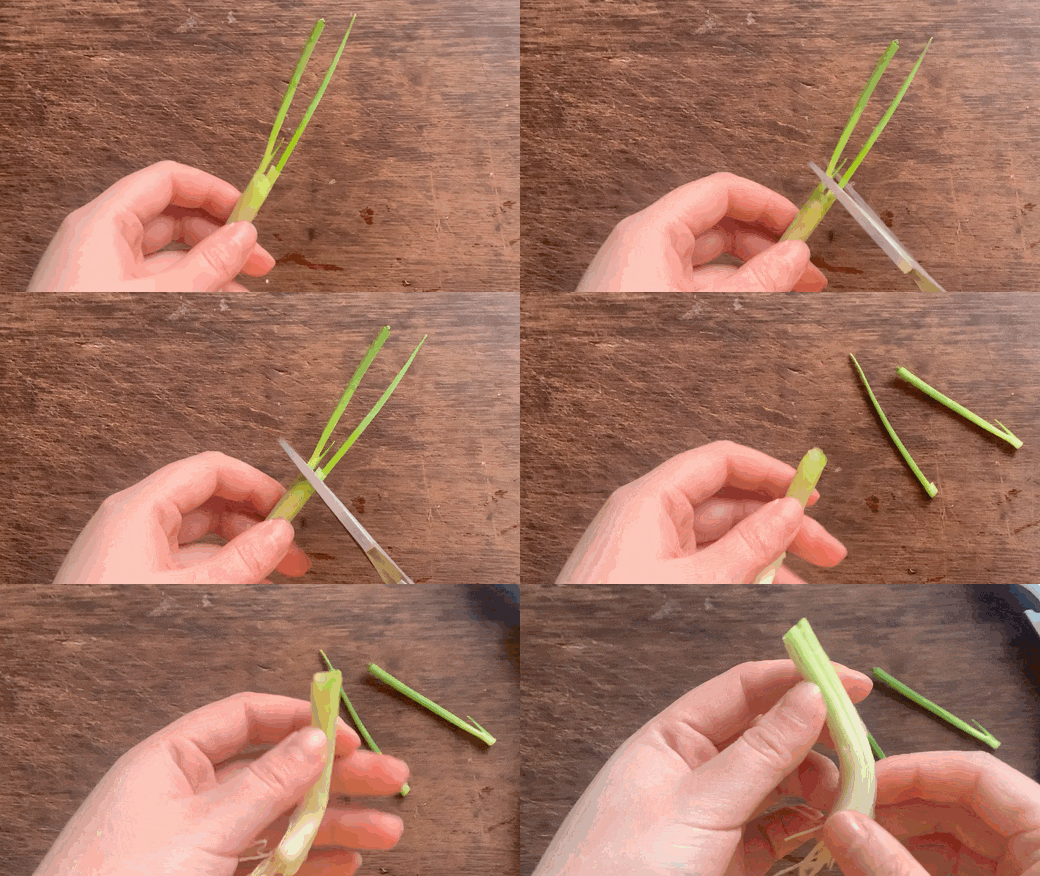
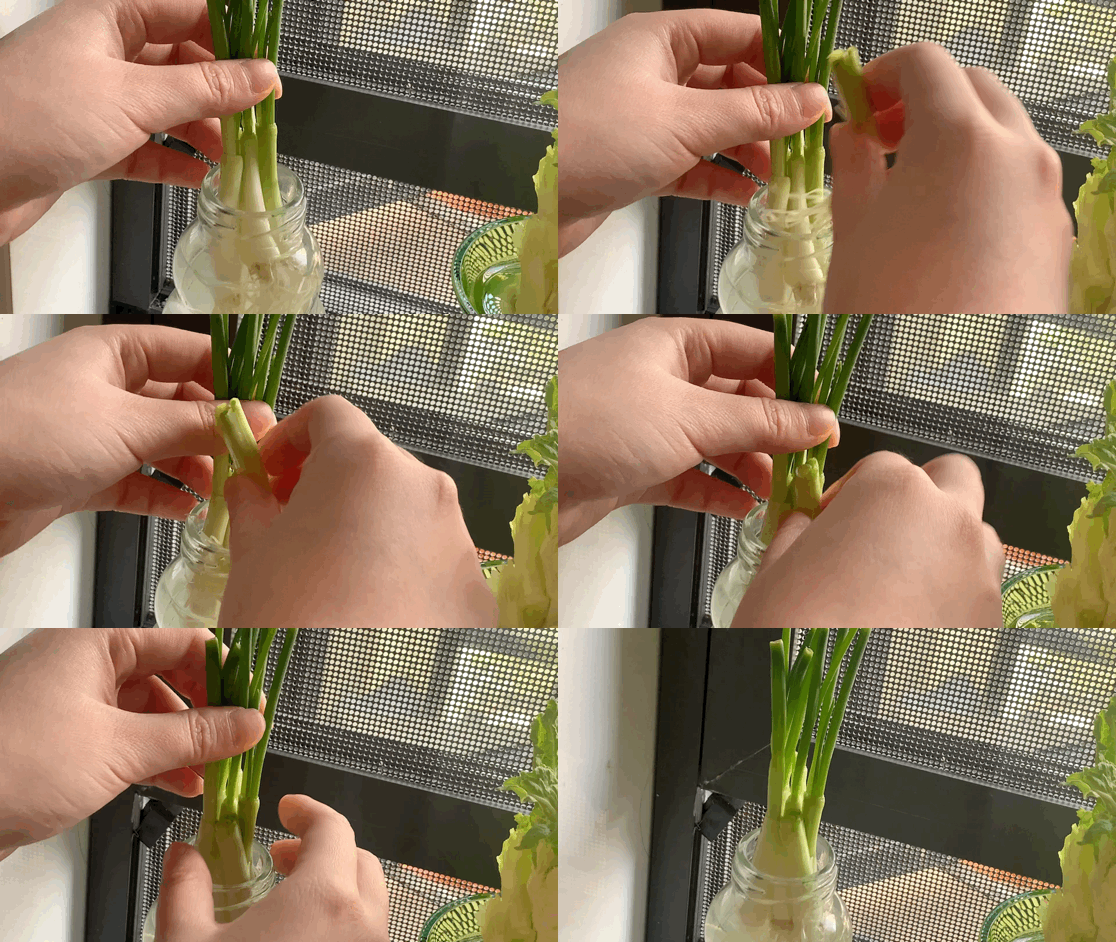
Green Onions: Simply place the green onion roots in water, change the water daily in warm weather, and you’ll have fresh green onion leaves to harvest within a few days.
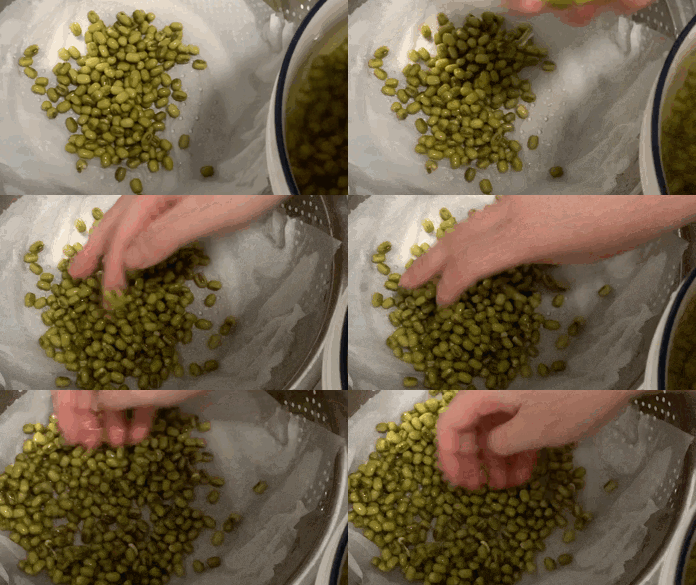
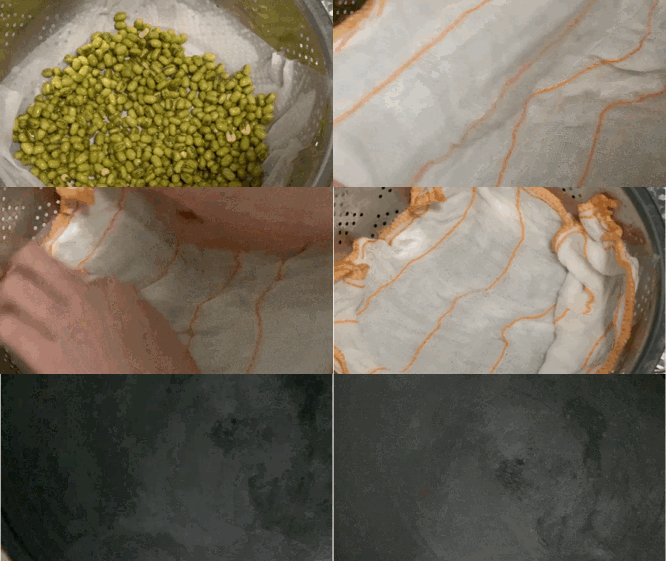
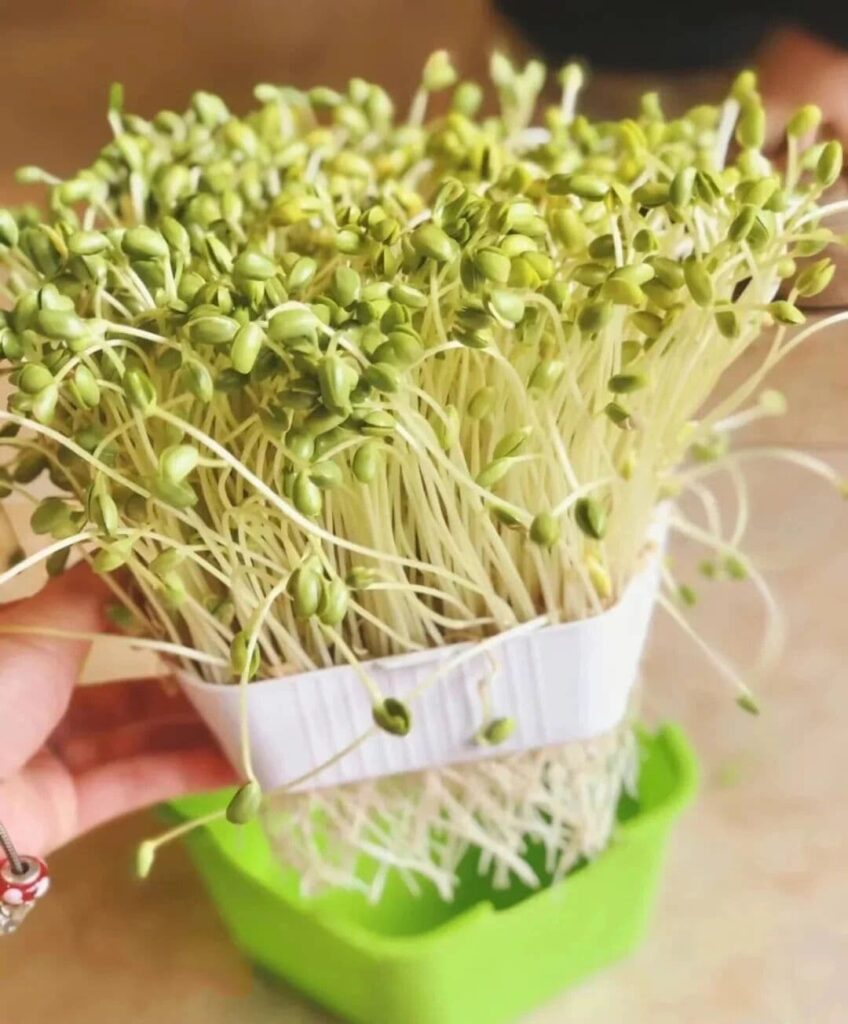
Sprouts: Soak mung beans overnight, spread them on a damp paper towel, cover with a damp cloth and a light-blocking lid, rinse twice daily, and harvest sprouts in 3–5 days.
Pest-Resistant Vegetable Varieties
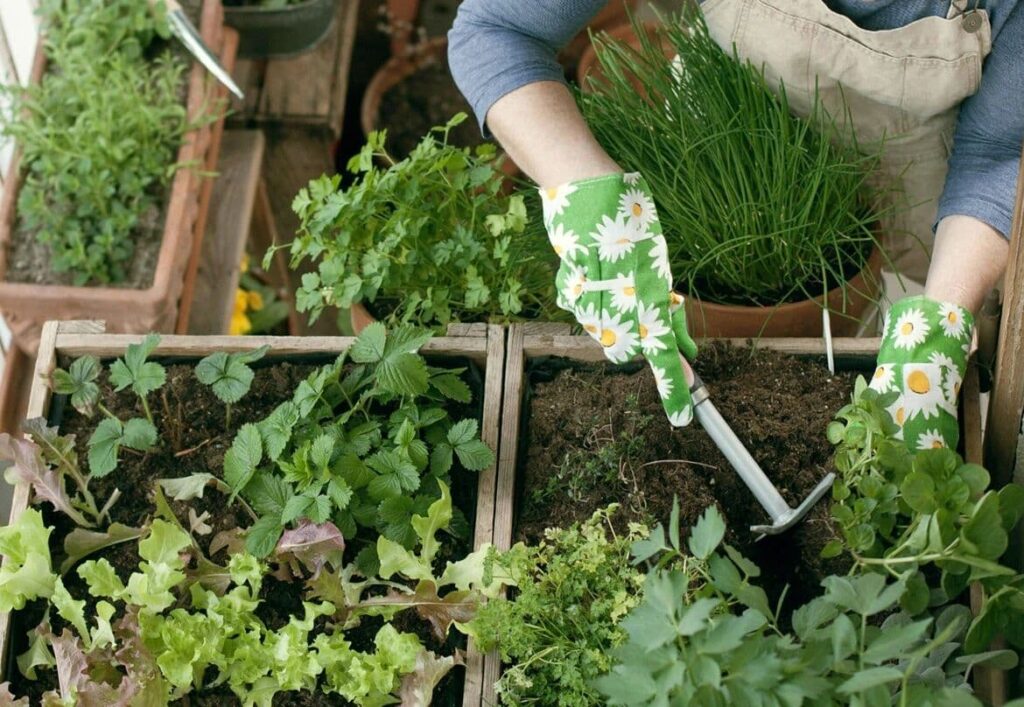
Choose these naturally pest-resistant varieties to minimize pest and disease issues:
Leafy Greens:
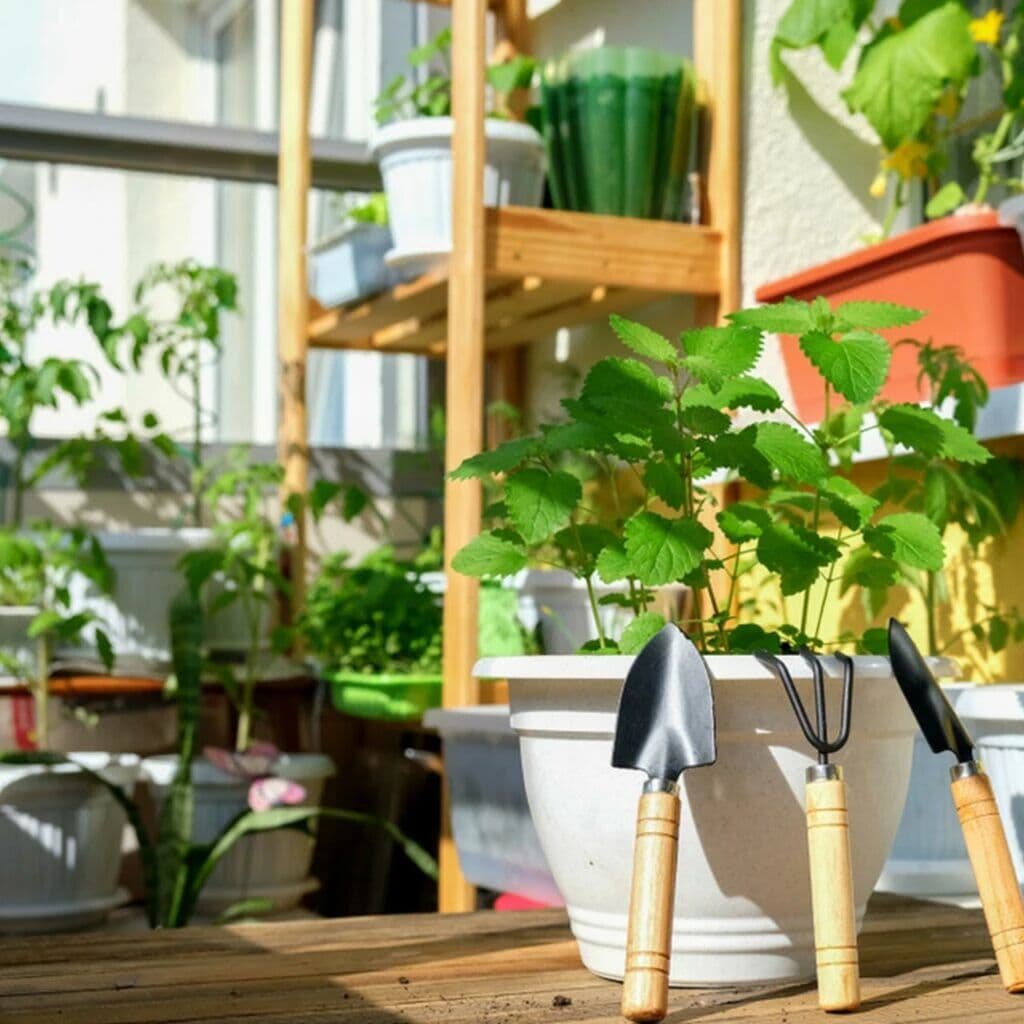
Cilantro, garlic, celery, sweet potato leaves, water spinach: Rarely affected by pests
Green onions, amaranth: Occasional spider mites in poorly ventilated areas
Lettuce, romaine: Aphids may appear if planted too densely or in low light; poor ventilation and overwatering may lead to root rot
Chives: May attract black aphids when sunlight is insufficient
Fruits and Vegetables:
Pumpkin, winter melon: Leaves have small spines, so pests are rare; may develop powdery mildew in spring (can be controlled with a 1:300 baking soda solution)
Snake gourd: Very few pests or diseases
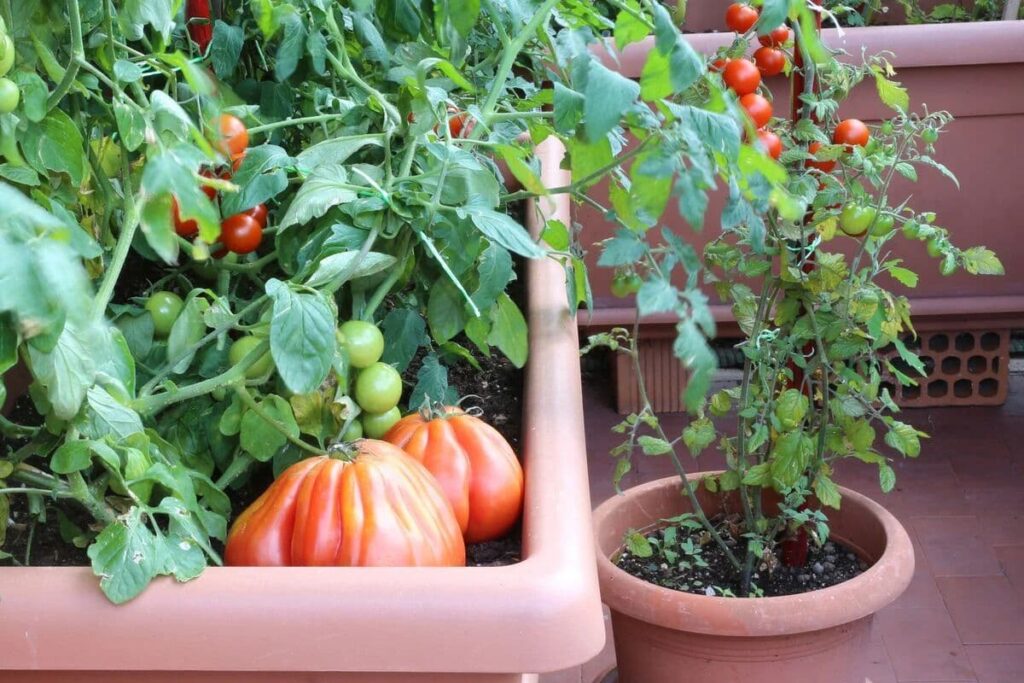
Tomatoes: Rarely affected by pests, but may develop powdery mildew
Chili Peppers: Prone to aphids during the seedling stage; can be washed off with water or removed by hand
Okra: Heat- and sun-tolerant; virtually pest- and disease-free
Root and Tuber Crops:
Sweet Potatoes, Ginger: Rarely affected by pests or diseases
Lettuce: Rarely affected by pests or diseases; may develop aphids if planted too densely or in insufficient sunlight
Fast-Growing Vegetables with Short Growth Cycles
When you need a quick harvest, these varieties can be ready in 30 days or less:
Cherry Radishes: Mature in about 21 days; with proper watering, they can be harvested quickly.
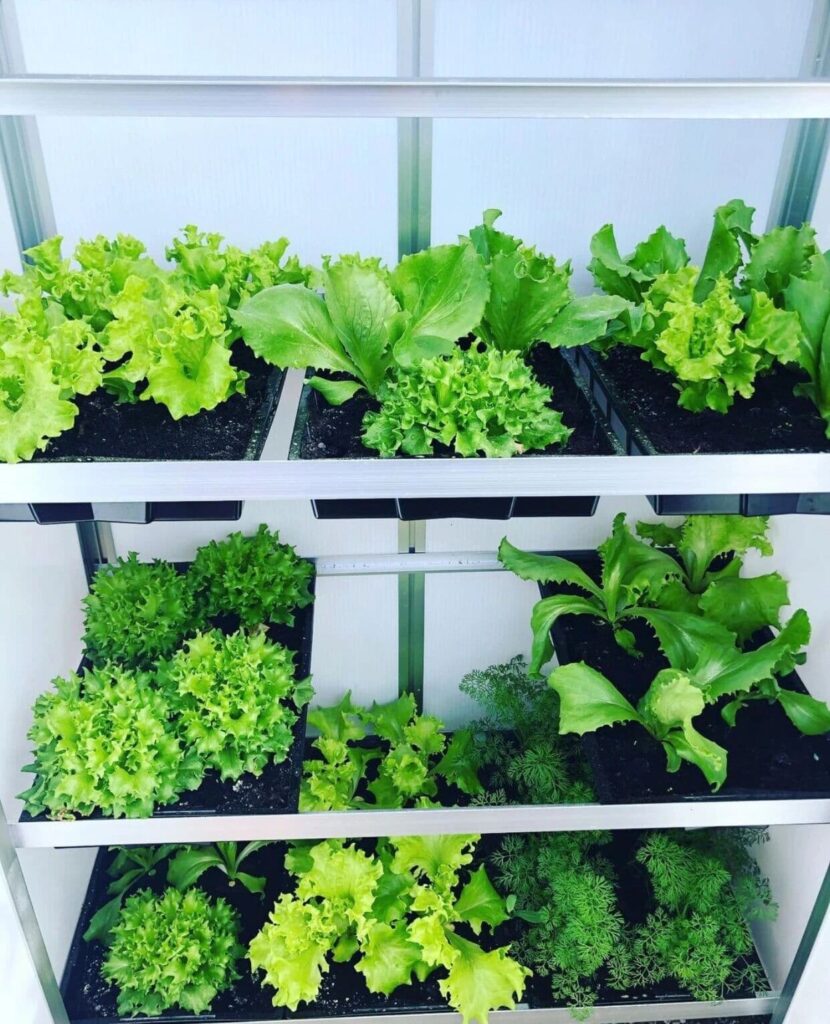
Lettuce: Matures in about 30 days; outer leaves can be harvested repeatedly.
Swiss Chard: Matures in about 25 days; can be harvested multiple times.
Water Spinach: Matures in about 30 days; leaving the roots intact allows for continued growth.
Spinach: Takes about a month from sowing to harvest.
The Complete Guide to Container Gardening on Your Balcony
Creative Container Options
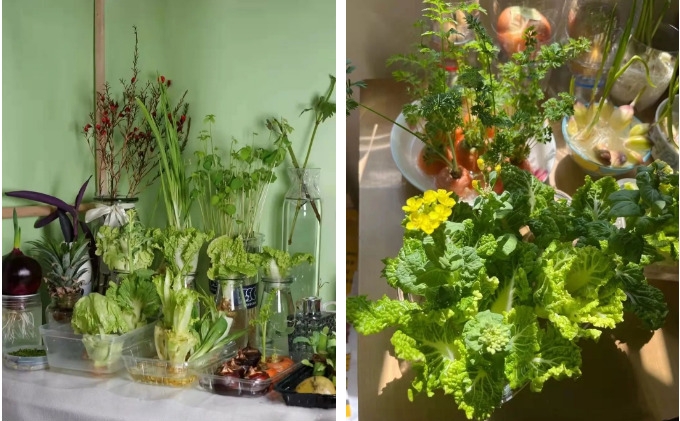
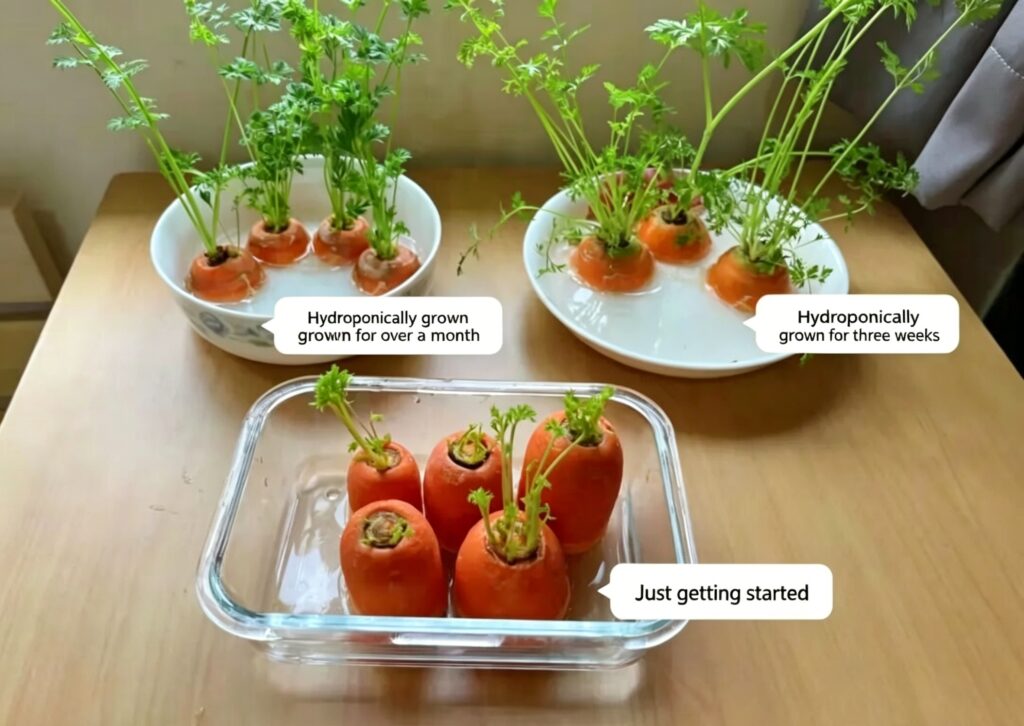
In addition to traditional flower pots, many household items can be repurposed as planting containers:
Kitchenware: Cups, plates, bowls, plastic containers, buckets
Storage Containers: Wooden crates, jars, food cans
Unconventional Containers: Bathtubs, tires, baking pans
The key to container gardening is ensuring good drainage. All containers should have drainage holes or slits at the bottom to prevent waterlogging and promote healthy root growth.
Container Depth Requirements
Different vegetables have specific requirements for container depth:
Shallow containers (10 cm): Suitable only for sprouting vegetables such as bean sprouts and wheatgrass.
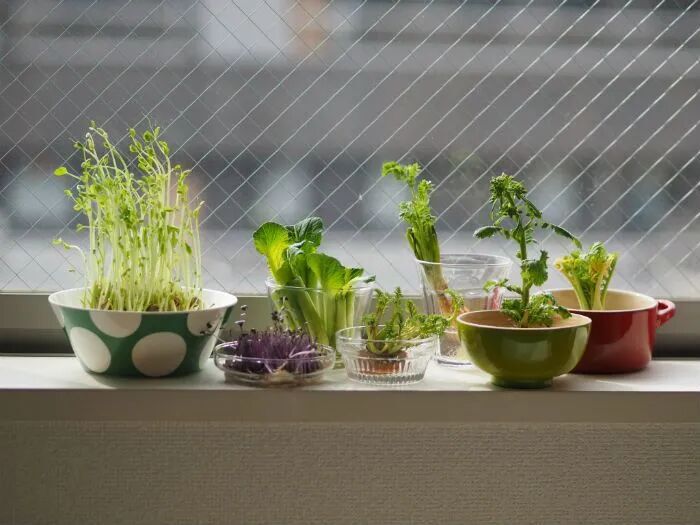
Medium containers (20 cm): Suitable for most leafy greens, including bok choy, Chinese broccoli, radishes, lamb’s lettuce, and peas.
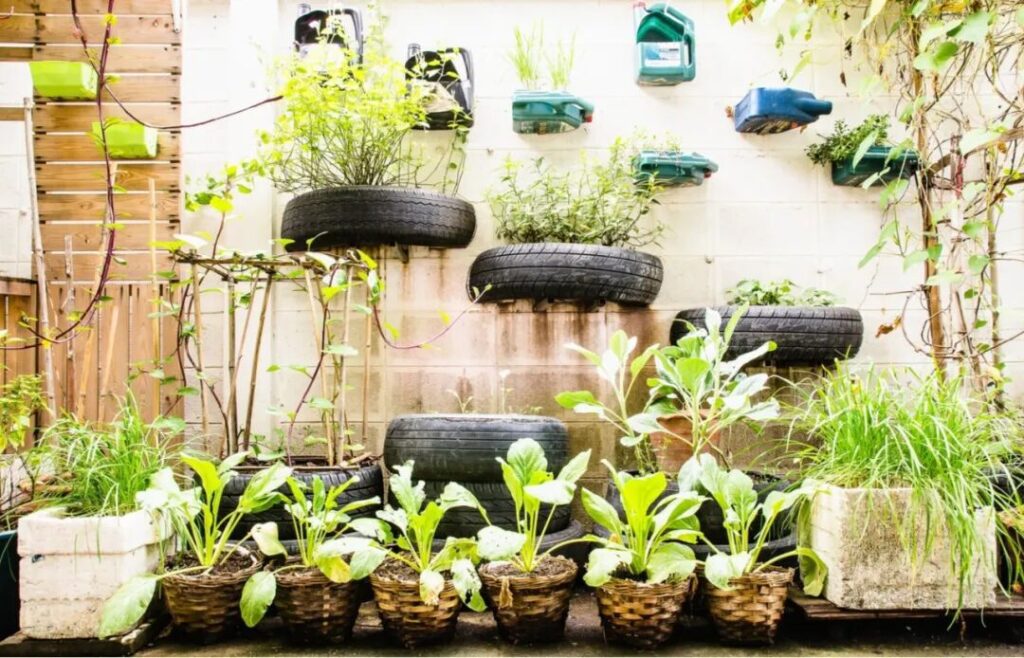
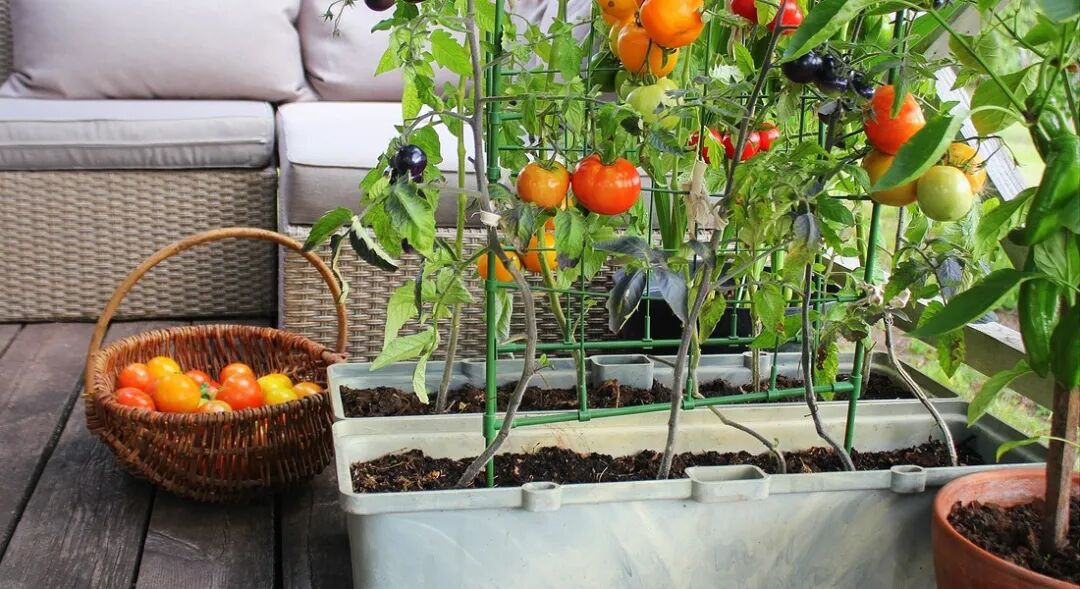
Deep containers (30 cm or more): Suitable for vegetables with extensive root systems, such as potatoes, carrots, green beans, sweet potatoes, tomatoes, and eggplants.
Seasonal Planting Schedule
Planting according to the seasons maximizes harvests:
Spring Planting: Spinach, bok choy, amaranth (best sown in May), lettuce, eggplant, cucumber, water spinach, Chinese chives, sweet potato vines, chicory, chili peppers, tomatoes, luffa, winter melon, pumpkin, yardlong beans, bitter melon, watermelon, lentils, and wood ear mushrooms.
Summer Planting: Water spinach, watercress, cauliflower, lamb’s lettuce, cucumbers, winter melon, pumpkin, watermelon, Chinese cucumber, chili peppers, bitter melon.
Fall Planting: Spinach, cauliflower, Chinese mustard greens, garlic, cilantro, Chinese broccoli, purslane, radishes, scallions, Chinese lettuce, lettuce, celery, pea shoots, etc.
Winter crops: Chinese cabbage, bok choy, spinach, lettuce, carrots, cilantro, lily bulbs, radishes, and mustard greens.
Year-round crops: Garlic, scallions, bok choy, and bean sprouts.
Start Your Balcony Vegetable Garden
Basic Preparation Steps
Assess the Space: Note sunlight duration, ventilation, and weight limits
Start Small: Begin with 3–5 easy-to-grow vegetables
Invest in Quality Soil: Use a potting mix formulated specifically for container gardening
Plan the Layout: Consider plant height, sunlight requirements, and ease of access
Key Tips for Successful Maintenance
Water regularly: Container plants dry out faster than those in the ground
Fertilize Regularly: Nutrients are depleted faster in limited spaces
Monitor for Pests and Diseases: Early detection makes them easier to manage
Rotate Crops: Prevent soil depletion and the buildup of diseases
Harvest Frequently: Promote continuous production
Addressing Common Challenges
Insufficient Sunlight: Use reflective materials, choose shade-tolerant varieties, or supplement with grow lights.
Limited Space: Adopt vertical gardening using trellises, hanging pots, and tiered racks.
Weight Concerns: Use lightweight soil mixes and distribute weight evenly.
Pest Management: Attract beneficial insects, use physical barriers, or employ organic control methods.
Balcony vegetable gardening transforms underutilized urban spaces into productive, therapeutic environments. Whether you’re seeking food security, fresh flavors, or simply the joy of nurturing life, even the smallest balcony can yield surprising harvests. Start today with a pot of herbs or lettuce, and as your confidence grows, gradually expand your edible oasis.