Introduction: The Simplicity and Charm of Hydroponic Lettuce
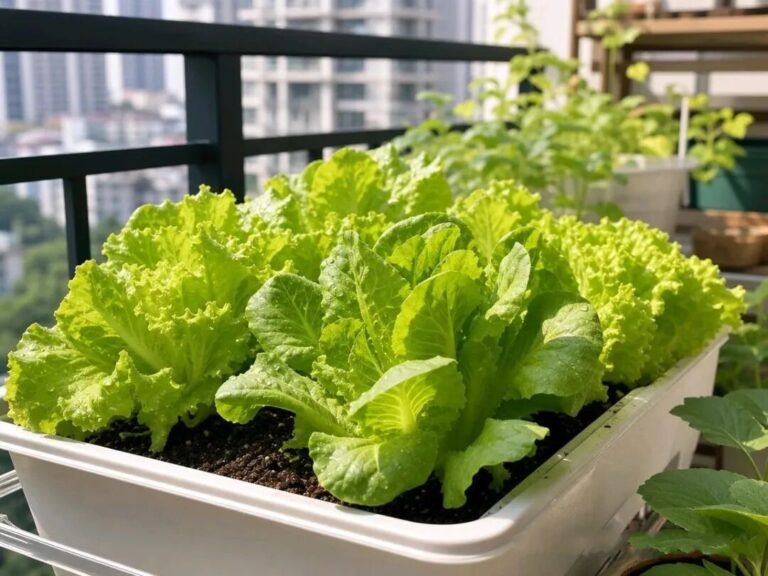
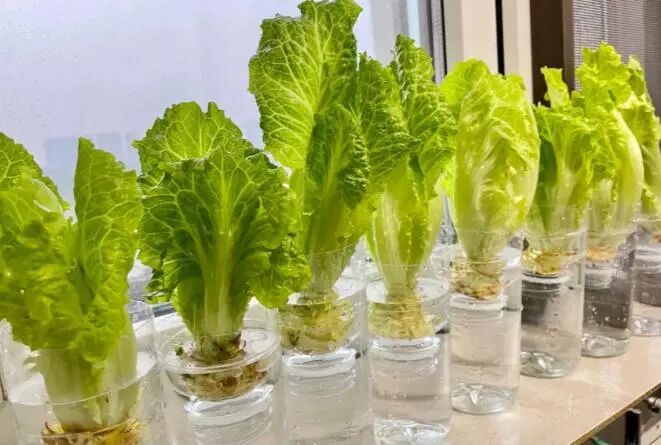
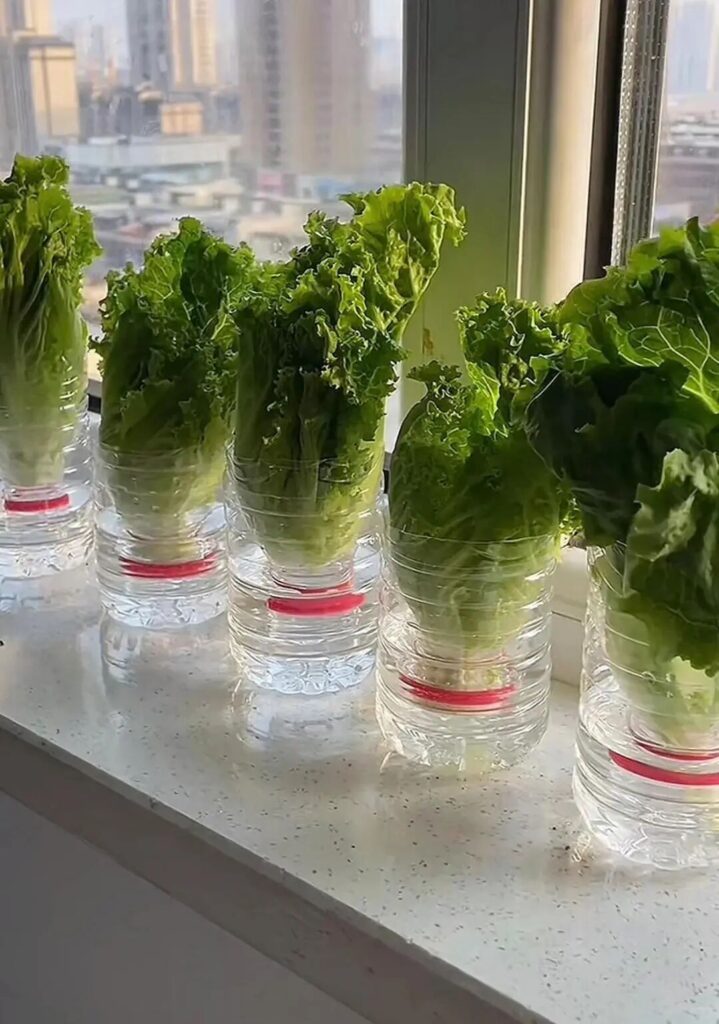
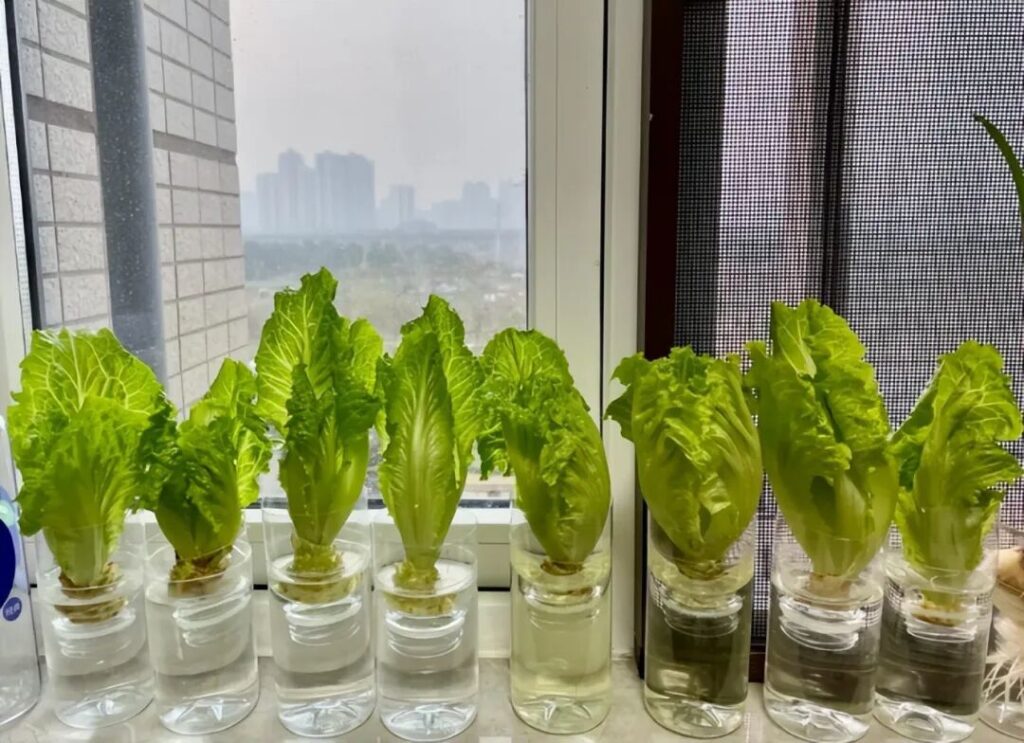
The saying that growing vegetables seems to be an innate human skill certainly rings true. If you’re curious about how to grow fresh hydroponic lettuce at home, you’re not alone. Recently, a simple and fun method for growing hydroponic lettuce has garnered widespread attention on social media. Using just a few plastic water bottles and spare cups, a home gardening enthusiast successfully cultivated fresh, tender lettuce, realizing the dream of “one lettuce plant providing an endless supply.” This method is not only simple and inexpensive but also completely organic, offering a brand-new option for healthy family dining. Seeing the neatly arranged hydroponic lettuce on the balcony—each head plump and fresh, ready to be picked and eaten at any time—brings a particularly soothing sense of self-sufficiency. If you’d like to try hydroponics at home, now is the perfect time to start.
A Complete Guide to Growing Lettuce Hydroponically
1. Choose the Right Lettuce Varieties
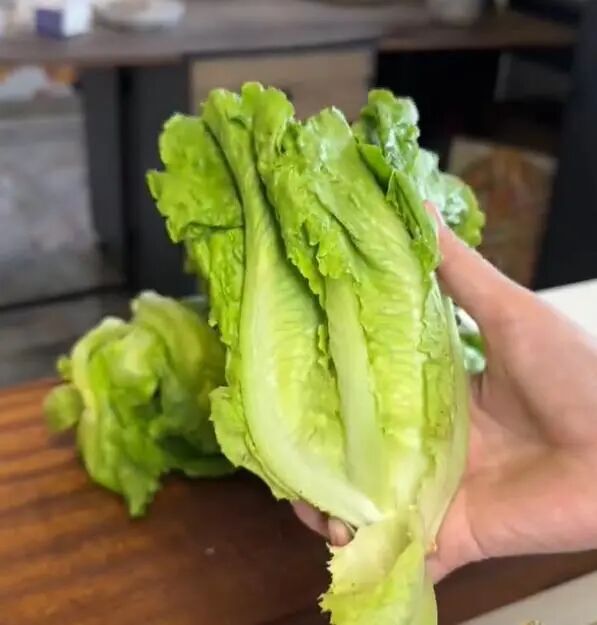
Success in hydroponic lettuce cultivation begins with selecting the right varieties. Romaine lettuce and butter lettuce are the most suitable for hydroponics; they are smaller, have leaves that form tight heads, grow quickly, and have a crisp, refreshing texture. In contrast, large-leafed varieties are less suitable for hydroponics because their leaves tend to wilt easily and have a relatively bland taste. When purchasing, choose fresh lettuce with intact roots to lay a solid foundation for the hydroponic process.
2. Properly Prepare the Lettuce Roots
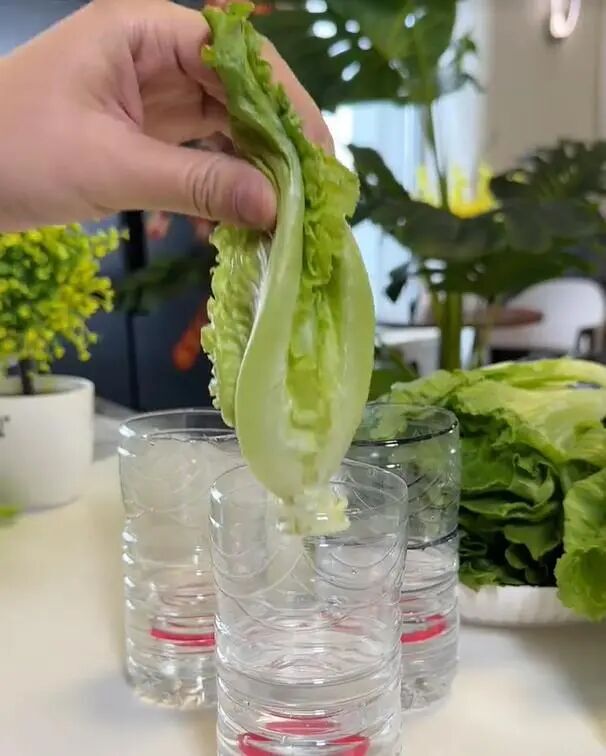
Remove all edible leaves from the lettuce, leaving only the root and 2–4 tender inner leaves. Use clean scissors to trim the root, cutting off about 3–4 millimeters from the tip to stimulate new root growth. Keep your tools and hands clean during this process to prevent bacterial contamination that could affect the lettuce’s growth.
3. Make Creative Use of Everyday Containers
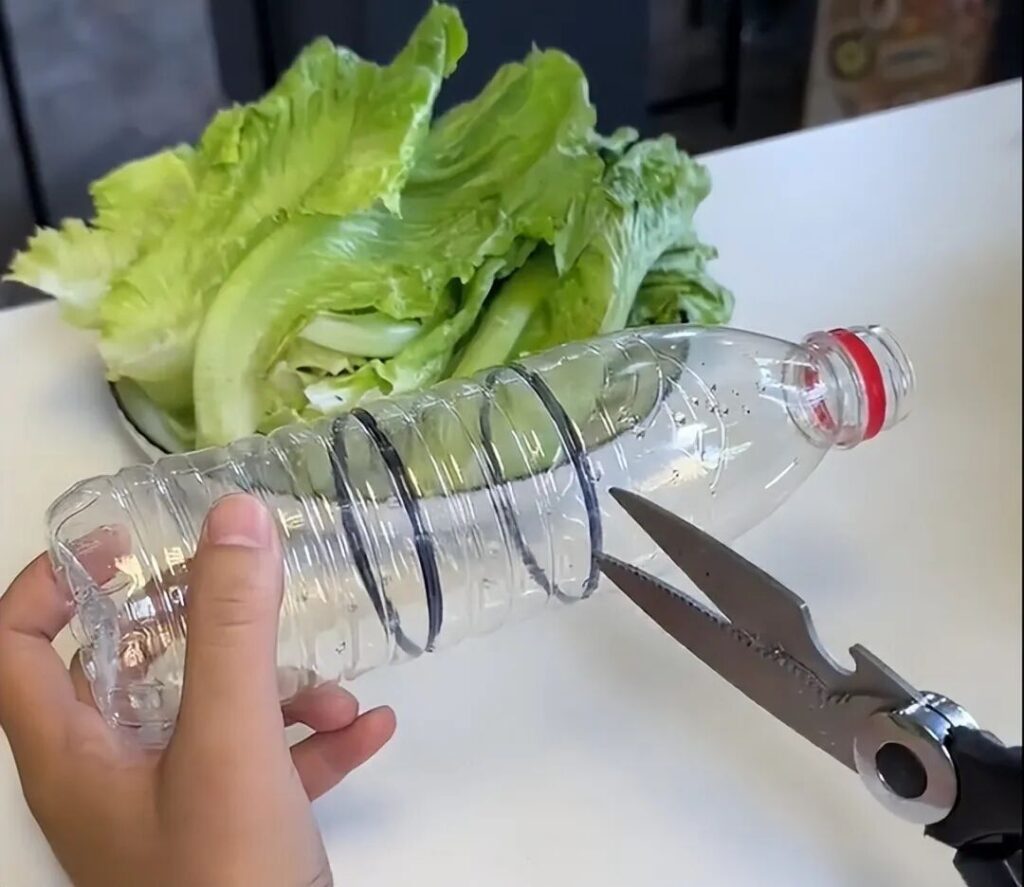
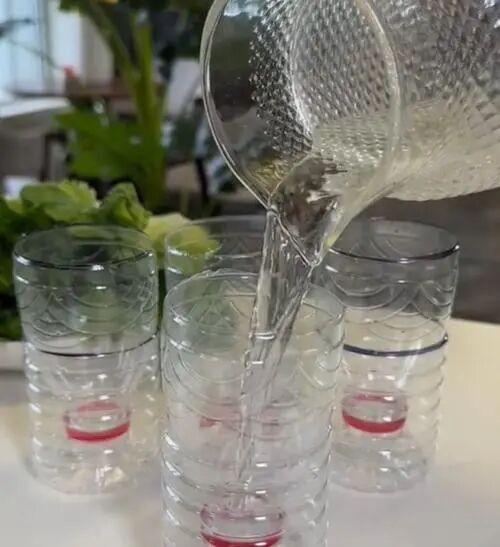
You can use whatever containers are on hand and get creative. Plastic water bottles, glass cups, and dedicated hydroponic bottles are all good options. If using a plastic water bottle, cut it just above the label, remove the cap, and place it upside down over the lower half of the bottle to create a stable support structure. The container should be of moderate size, just large enough to securely hold the lettuce roots.
4. Simple and Easy Hydroponic Steps
Secure the prepared lettuce roots in the container and add an appropriate amount of water—just enough to barely cover the roots. Be careful not to add too much water. Then place the container in a warm, well-ventilated spot with bright light, avoiding direct sunlight. Typically, you’ll see new roots start to grow within a day, and fresh, edible leaves will emerge in about three days.
5. Quick Harvest and Continuous Growth
If done correctly, you can harvest your first batch of healthy, pesticide-free lettuce in about a week. The best part is that as long as you keep the roots in water, the lettuce will continue to produce new leaves, allowing for ongoing harvests. This pure hydroponic method requires absolutely no soil, is clean and hygienic, and lets you enjoy the freshest vegetables anytime.
Key Factors for Successful Hydroponics
The Art of Temperature Control
Temperature is the most critical environmental factor for hydroponic lettuce. When the indoor temperature remains stable above 20 degrees Celsius, the lettuce’s root system grows rapidly, metabolism functions well, and rot is less likely to occur. Spring and fall are the optimal seasons for hydroponic lettuce, as warm indoor temperatures promote healthy plant growth. In fact, as long as the temperature is suitable, not only lettuce but also many other vegetables—such as potatoes, sweet potatoes, and Chinese cabbage—will naturally sprout and grow.
The Art of Water Changes
Hydroponic lettuce needs fresh water every day, especially during the early stages before the roots are fully established. To make this task easier, choose a consistent time each morning or evening to replace the water. In warm conditions, standing water can quickly become stagnant, and lettuce roots can further reduce water quality over time. Replacing the water daily helps prevent bacterial growth, reduces the risk of root rot, and promotes healthy, vigorous plant growth.
Balancing Light Requirements
Contrary to what many people imagine, hydroponic lettuce does not have strict light requirements. The ideal location is a spot with bright, indirect light, such as a north-facing balcony or windowsill. Three to five hours of gentle light per day is sufficient to meet its growth needs. Excessive sunlight can cause the water temperature to rise too high, hindering lettuce growth.
Preventing and Solving Common Problems
Root and leaf rot are usually caused by excessively high water temperatures, infrequent water changes, or unclean containers. You can effectively prevent these issues by using clean containers, maintaining an appropriate water temperature, and changing the water daily. If you notice any signs of rot, promptly trim the affected parts and replace the water with fresh water; the lettuce will often recover.
Expanding Your Hydroponic Garden
Diverse Hydroponic Options
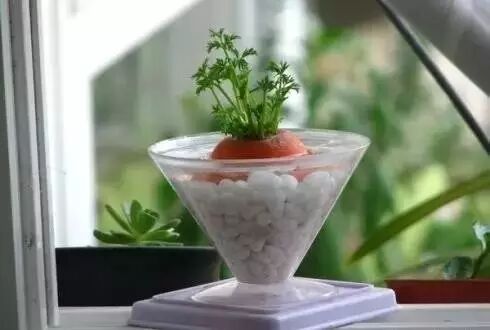
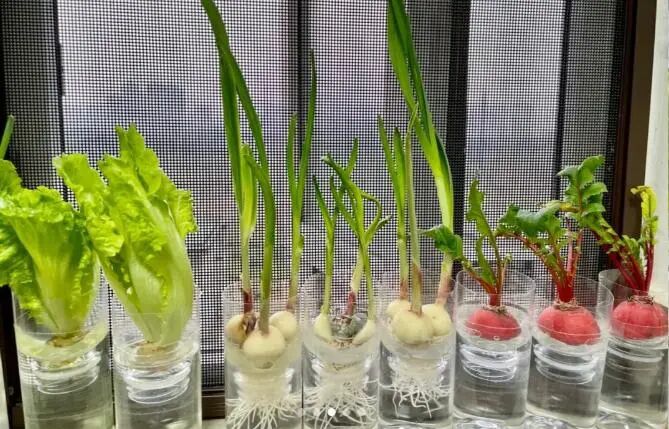
In addition to lettuce, many common vegetables are suitable for hydroponic cultivation. Chives, celery, baby bok choy, Shanghai green, and romaine lettuce can all be regrown using hydroponics. Save the roots of these vegetables and grow them hydroponically using similar methods; you’ll soon be able to harvest fresh leaves. Different vegetables have varying levels of difficulty and growth rates when grown hydroponically, so try them one by one to gain experience.
The Joy of Growing Root Vegetables Hydroponically
If potatoes, Chinese cabbage, sweet potatoes, or other root vegetables at home have sprouted, don’t rush to throw them away—they make excellent materials for hydroponics. Not only can these root vegetables grow new roots and leaves, but some will even bloom, adding greenery and vitality to your home. Observing the growth process of different vegetables is an engaging experience in itself.
Possible Upgrades to Your Hydroponic System
Once you’ve mastered the basics of hydroponics, you may want to consider setting up a more sophisticated hydroponic system. Advanced methods such as multi-tiered hydroponic racks, automatic recirculation systems, and nutrient solution dosing can make your hydroponic garden more efficient and professional. However, for beginners, simple container hydroponics is more than enough to enjoy the fun of growing and the joy of harvesting.
Start Your Hydroponic Journey
Home hydroponic gardening is a simple, healthy, and eco-friendly lifestyle. It doesn’t require a spacious outdoor area, complicated gardening tools, or even soil. With just a few everyday containers, some clean water, and a little patience, you can create a mini balcony vegetable garden right on your windowsill or balcony. Whether you’re a gardening novice or an experienced grower, hydroponics offers a unique sense of accomplishment and practical value. By growing vegetables from seed to harvest, you can enjoy every step of the process, from planting to harvesting, and make fresh vegetables a part of your daily life.