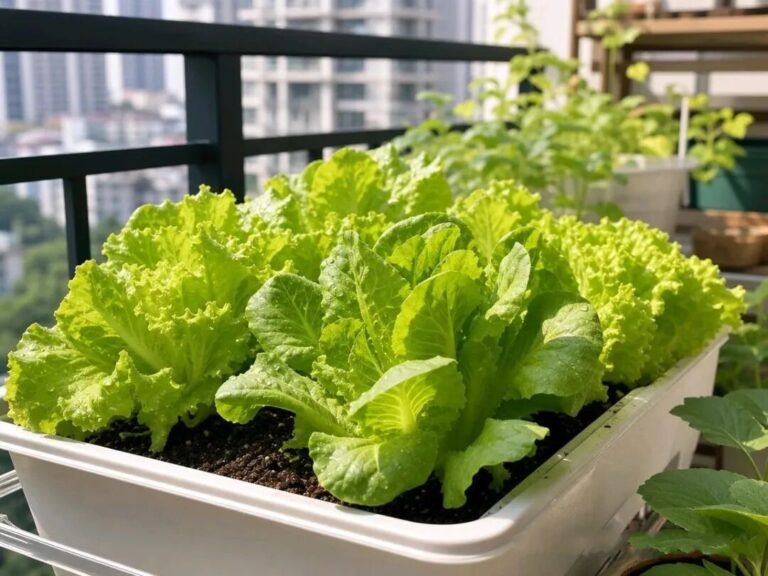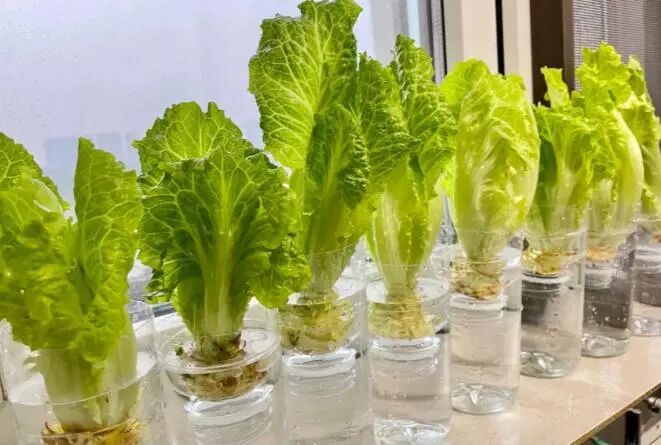
Discover how to grow tomatoes on a balcony and create a thriving balcony vegetable garden with this step-by-step guide. Learn about balcony vegetable gardening techniques, from sowing to harvesting, perfect for urban gardeners.
Introduction to Balcony Vegetable Gardening
Growing tomatoes on a balcony is one of the most rewarding balcony vegetable gardening projects you can undertake. With proper care, even small spaces can yield abundant, flavorful tomatoes throughout the season. This guide will walk you through everything you need to know to create a thriving balcony vegetable garden, with a specific focus on tomato cultivation.
Tomatoes are incredibly versatile vegetables (though botanically fruits) that add fresh flavor to countless dishes. Whether you’re making salads, sauces, or simply enjoying them fresh off the vine, homegrown tomatoes offer superior taste compared to store-bought varieties. The satisfaction of growing vegetables on a balcony makes the effort truly worthwhile.
Understanding Tomato Types for Container Gardening
Indeterminate vs. Determinate Varieties
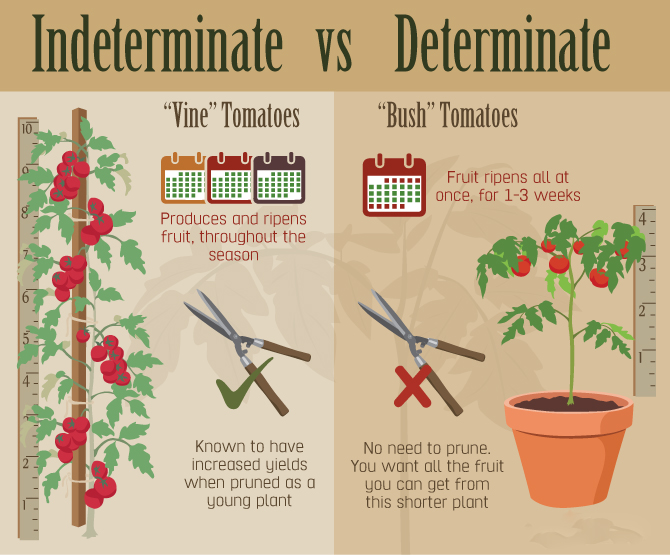
Tomatoes generally fall into two categories: indeterminate (vine) and determinate (bush) types. Indeterminate tomatoes continue growing and producing fruit throughout the season, while determinate varieties produce all their fruit within a 1-3 week period before stopping growth.
Space Considerations for Balcony Gardens
For balcony vegetable gardening, determinate (“bush”) tomatoes are often preferable because they require less vertical space and do not need extensive pruning. However, with adequate support structures, indeterminate varieties can provide continuous harvests.
Recommended Varieties for Small Spaces
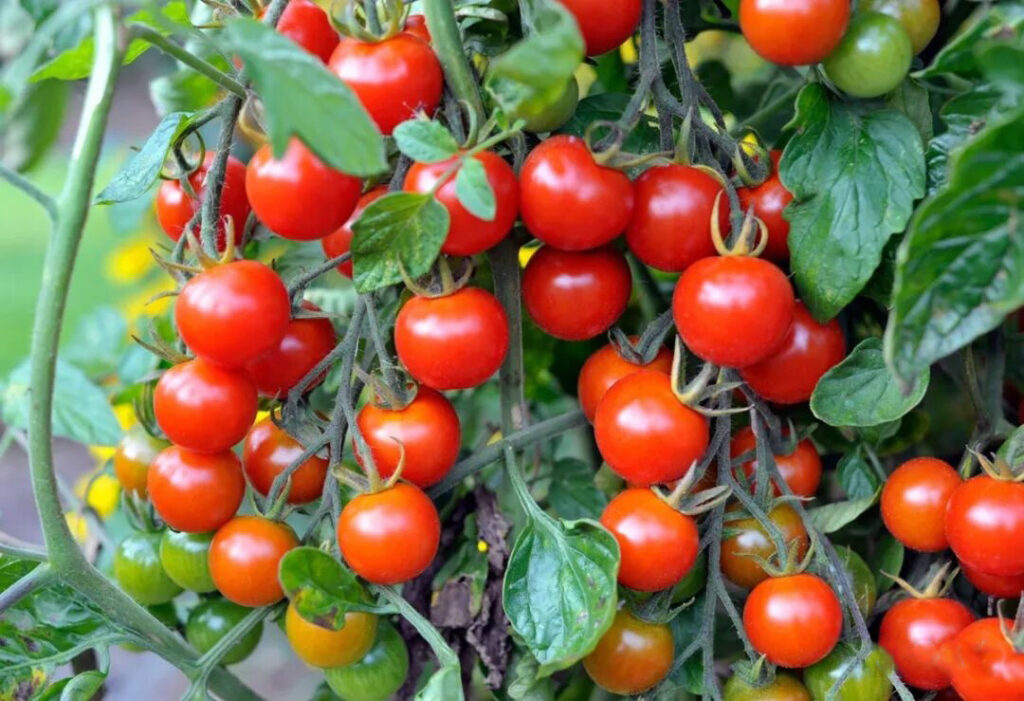
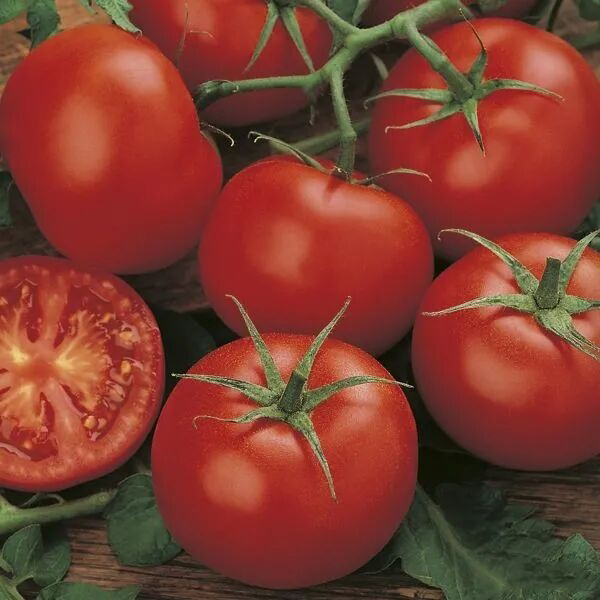
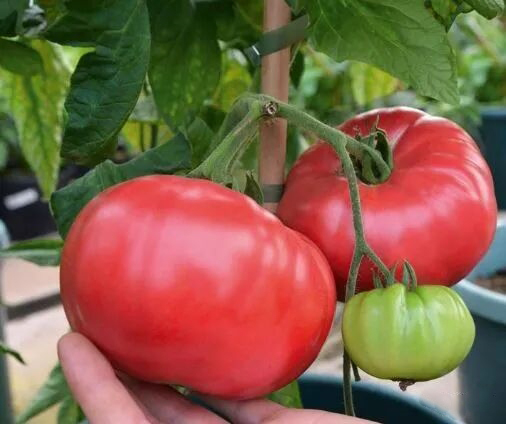
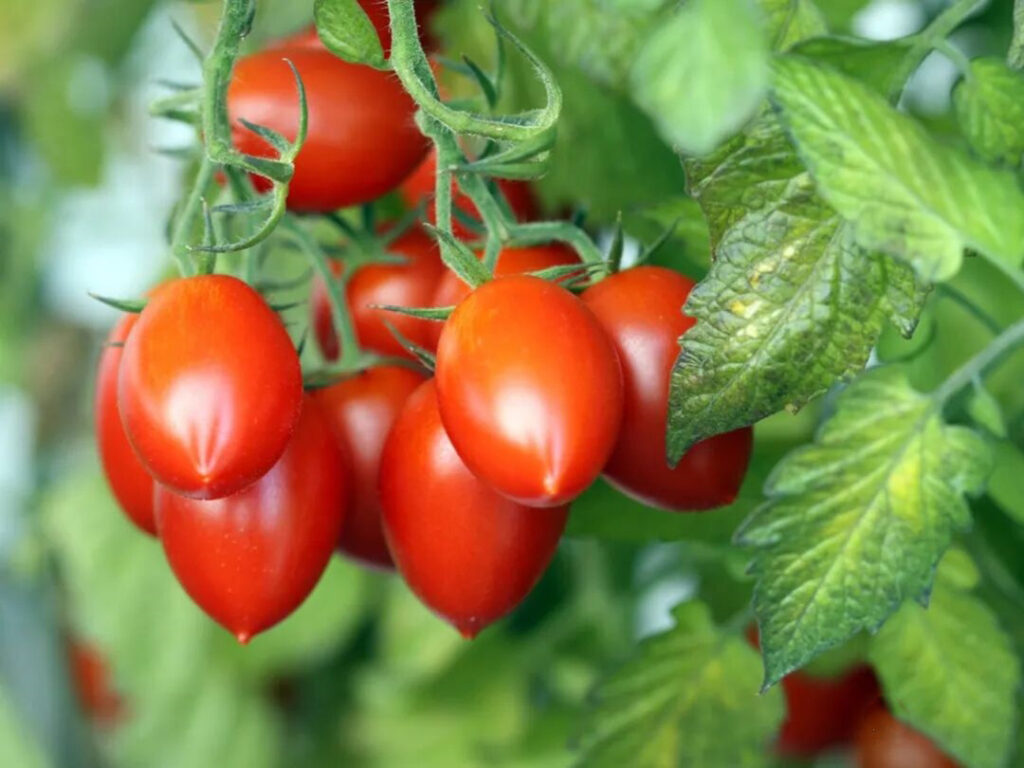
Cherry tomatoes are ideal for balcony vegetable gardens due to their compact growth habit and abundant yields. Other good choices include patio varieties specifically bred for container growing. When selecting seeds, consider heirloom varieties if you plan to save seeds for future planting.
Starting Your Tomato Seeds
Optimal Sowing Time
In most temperate climates, start tomato seeds indoors 6-8 weeks before the last expected frost. For those in warmer regions or with south-facing balconies that create microclimates, you can begin as early as March.
Proper Sowing Technique
Sow seeds in seed trays or small pots, placing one seed per cell or spacing them evenly in containers. Use a high-quality seed-starting mix and maintain consistent moisture without overwatering.
Germination and Early Care
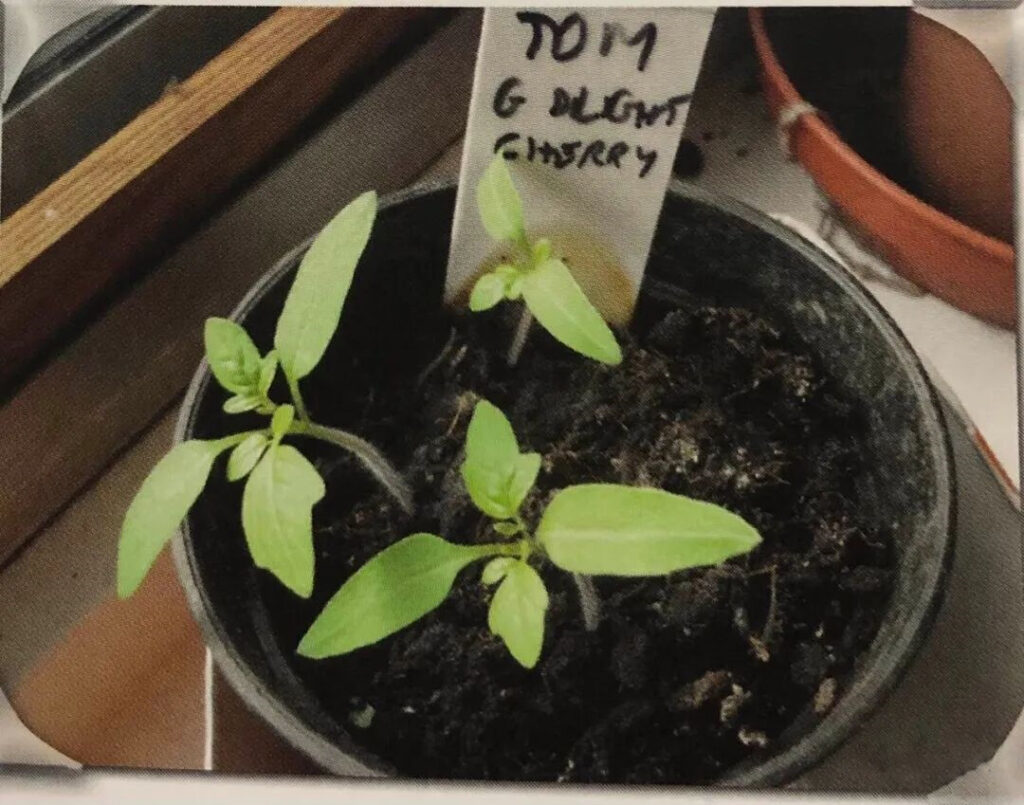
Tomato seeds typically germinate within 1-2 weeks. Keep seedlings in a warm, bright location. If growing multiple varieties, label each container clearly to track which performs best in your balcony vegetable garden conditions.
The Transplanting Process
When to Transplant
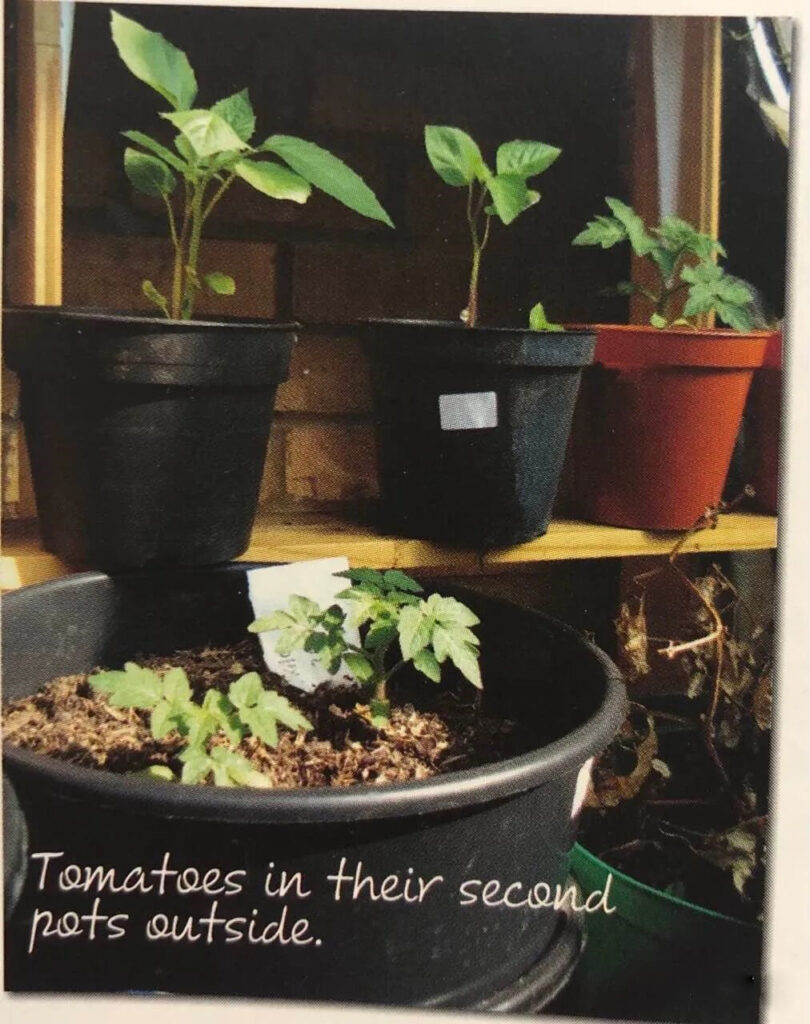
Transplant seedlings when they develop several true leaves and reach 7.5-10 cm (3-4 inches) in height. The “double transplant” method involves moving seedlings to intermediate containers before their final pots, which encourages stronger root development.
Container Selection
Choose containers at least 30 cm (12 inches) in diameter with adequate depth. Self-watering containers are excellent for balcony vegetable gardening, as tomatoes require consistent moisture. Ensure all containers have proper drainage holes.
Planting Techniques
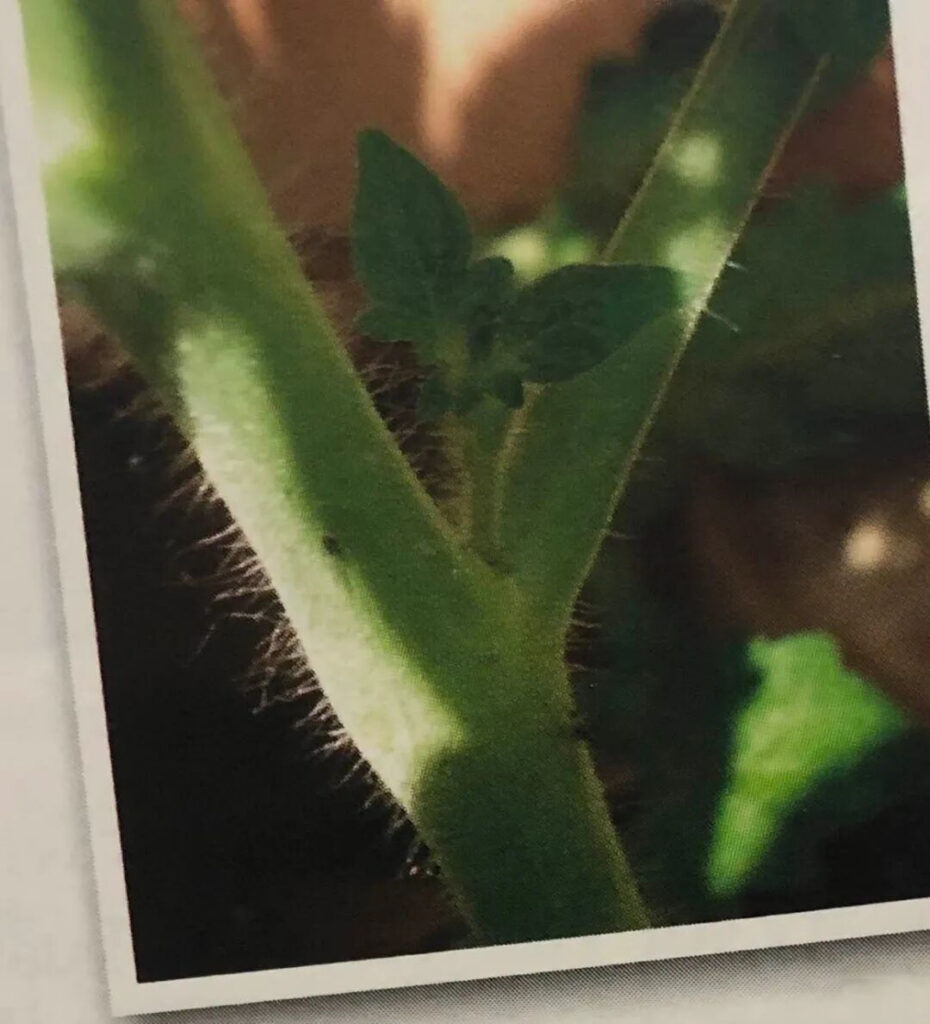
When transplanting, bury the stem deeper than it was in the original container. The tiny hairs on tomato stems will develop into additional roots, creating a stronger plant. This technique works for all nightshade family plants, including peppers and eggplants.
Soil Enrichment
Add crushed eggshells to the planting hole to provide calcium and help prevent blossom end rot. You can also incorporate balanced organic fertilizer at planting time and throughout the growing season.
Care and Maintenance for Balcony Tomatoes
Support Systems
Indeterminate varieties require sturdy support such as stakes, cages, or trellises. Even some determinate varieties benefit from minimal support to keep fruit off the balcony floor.
Watering Requirements
Tomatoes need consistent, deep watering. Check soil moisture daily during hot weather. Self-watering containers help maintain ideal moisture levels, crucial for successful balcony vegetable gardening.
Nutrient Management
Feed tomatoes regularly with a balanced fertilizer during the main growing season. Container plants rely entirely on the nutrients you provide because they can’t access soil in the ground.
Pruning Techniques
For indeterminate varieties, regularly remove suckers (side shoots that form in leaf axils) to direct energy toward fruit production. Determinate varieties generally don’t require pruning. When plants develop 6-7 fruit-bearing branches, consider pinching off the growing tip to focus energy on ripening existing fruit.
Harvesting and Seed Saving
Knowing When to Harvest
Tomatoes are ready when they develop full color and a slight give when gently squeezed. For the best flavor, allow tomatoes to ripen fully on the vine whenever possible.
Continuous Harvest
Indeterminate varieties will produce throughout the season. Regular harvesting encourages more fruit production. Even determinate varieties often yield multiple harvests within their fruiting period.
Saving Seeds for Future Planting
If you want to save seeds, ensure that you’re growing heirloom (open-pollinated) varieties rather than hybrids. Select seeds from your healthiest and most productive plants to gradually develop strains that are perfectly adapted to the growing conditions of your balcony vegetable garden.
Troubleshooting Common Issues
Preventing Diseases
Proper spacing, good air circulation, and consistent watering help prevent fungal diseases. Remove affected leaves promptly and avoid overhead watering.
Pest Management
Regularly inspect plants for common pests such as aphids and tomato hornworms. Many pests can be managed with organic solutions such as neem oil or insecticidal soap.
Environmental Stress
Balcony gardens can experience temperature extremes. Provide afternoon shade in very hot climates and protect plants from strong winds that can damage stems and fruit.
Maximizing Your Balcony Vegetable Garden Success
Companion Planting
Consider growing basil, marigolds, or onions alongside your tomatoes. These companions can help repel pests and may improve tomato flavor.
Succession Planting
For continuous harvests, start new seedlings every few weeks. This is particularly effective with determinate varieties in your balcony vegetable garden.
Seasonal Adjustments
As seasons change, adjust your care routine. Reduce watering as temperatures cool and protect plants from early frosts to extend your harvest season.
Growing vegetables on a balcony, especially tomatoes, allows you to enjoy fresh produce right at home in an urban environment. With these balcony gardening techniques, you can grow flavorful tomatoes that surpass those available in stores. Start small, learn as you go, and soon you’ll be harvesting delicious tomatoes from your own balcony garden.