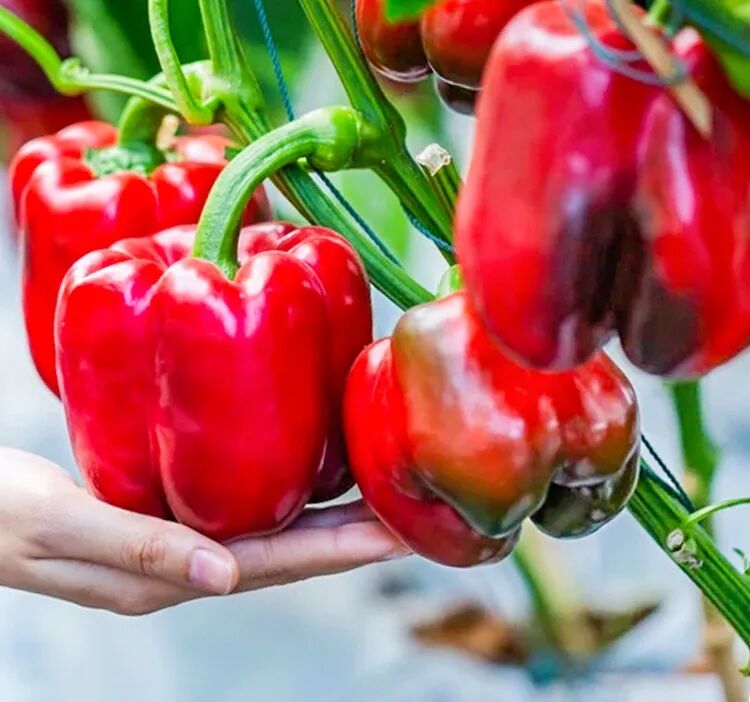
Want a thriving herb garden on your kitchen windowsill or a balcony vegetable garden, ready to harvest whenever you need? Windowsill Herb Garden: Cut & Come Again for 3X Harvests + Endless Regrowth. It’s easier than you think. With just a few key tips, you can enjoy endless fresh herbs right at home—cut and regrow, again and again.
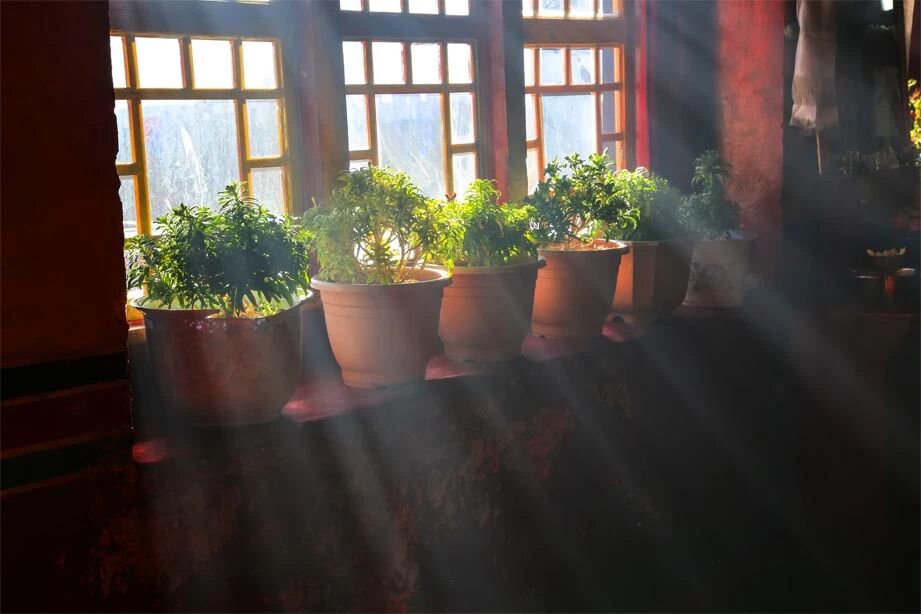
Light: The Lifeline of Herbs
The biggest challenge with windowsill herb gardening is insufficient light. Without enough sunlight, herbs become leggy, weak, and lose their flavor.
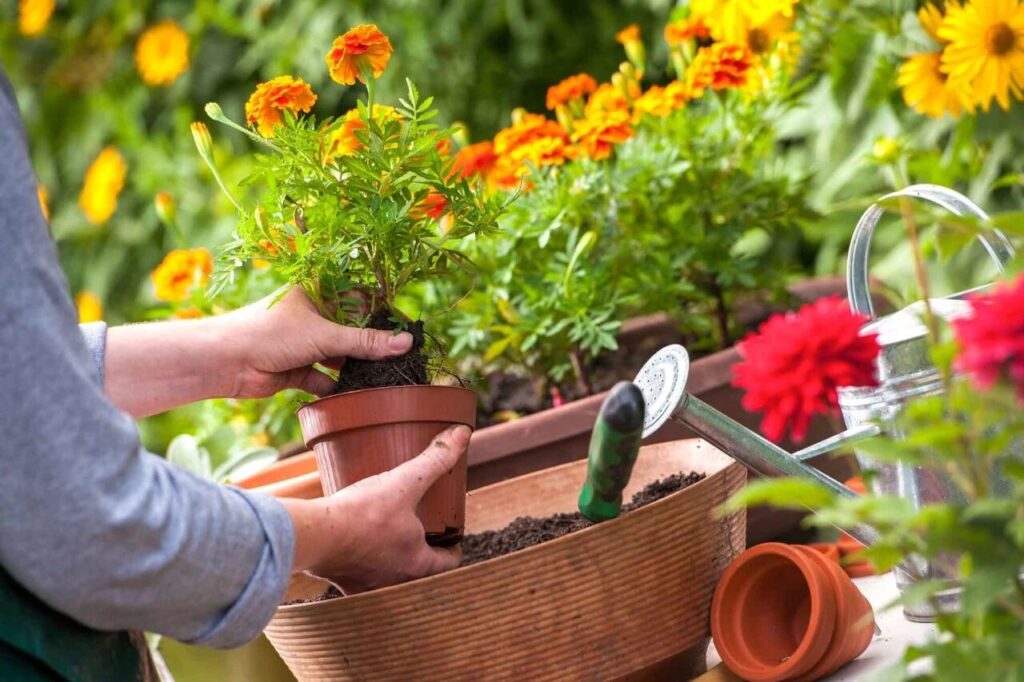
South- or east-facing windows offer the best exposure, providing the most sunlight throughout the day. If you only have a north-facing window, choose shade-tolerant varieties like mint, cilantro, and parsley.
If natural light is truly limited, consider using grow lights. Many LED grow lights designed specifically for indoor plants deliver excellent results.
Check your herbs’ leaves to gauge light levels: deep green leaves and compact stems mean ideal lighting; if stems are stretched thin and leaves turn yellow, your plants need more light.
Humidity: Don’t Let Your AC Steal Moisture
Many assume indoor air is naturally humid—but it’s often the opposite. Air conditioners, heaters, and even computer fans can dry out the air dramatically.
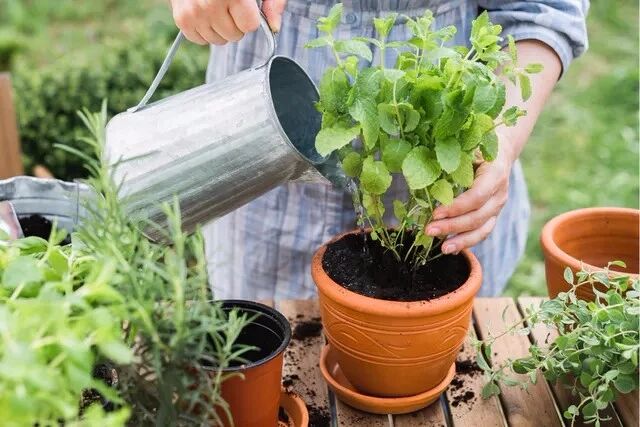
Herbs in such conditions often develop brown leaf tips or curling leaves. Mist the plants lightly with a spray bottle once in the morning and once in the evening to help.
If your home is especially dry, consider placing a small humidifier nearby—but avoid directing the mist straight at the plants.
Also, don’t place herbs near heating vents, air conditioner outputs, or next to refrigerators. These spots cause drastic temperature fluctuations, stressing the plants.
Temperature: Stability Matters Most
Most herbs thrive between 18°C and 27°C. Temperatures below 5°C can cause frost damage; above 35°C, growth stalls.
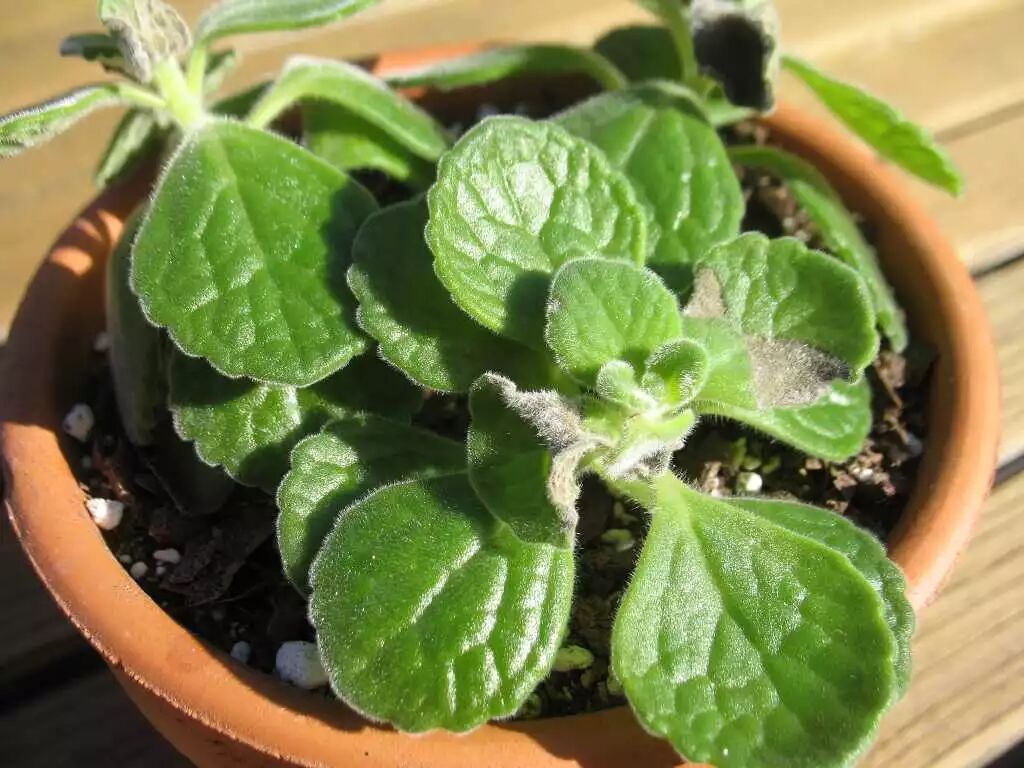
Windowsills often get colder than other indoor areas in winter and hotter in summer. Use a thermometer to check the actual temperature where you plan to place your herbs.
Nighttime temperature drops are common too. If your window isn’t well-sealed, move pots slightly away from the glass during cold months.
Remember: Herbs hate temperature swings. A stable environment matters more than hitting a “perfect” number.
Watering: Less Is More
The most common cause of death for indoor herbs isn’t drought—it’s overwatering. Roots sitting in water quickly rot.
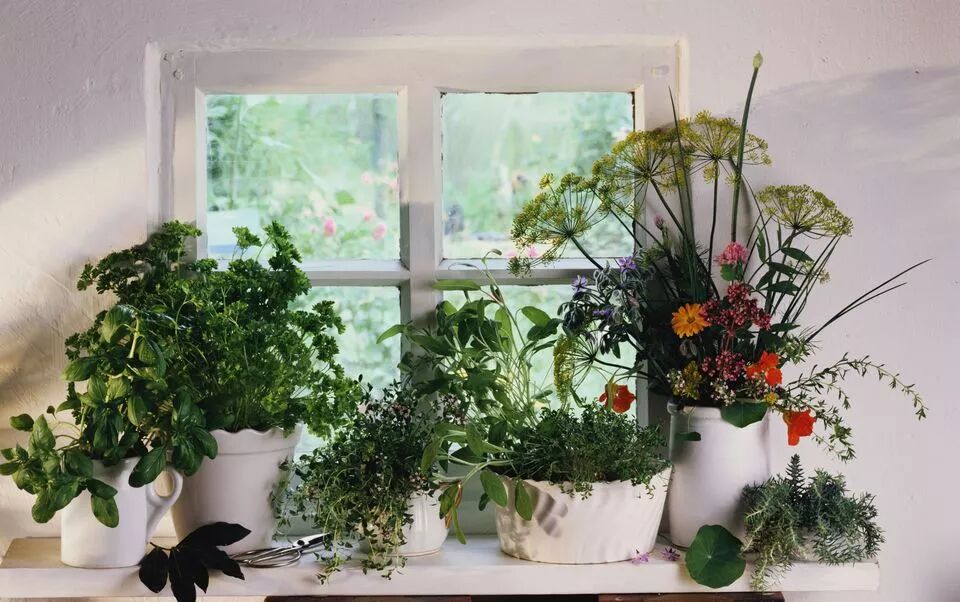
Different herbs have vastly different water needs. Basil, mint, and oregano prefer consistently moist soil; rosemary, lavender, and thyme need the soil to dry out completely between waterings.
How do you know when to water? Stick your finger two centimeters into the soil—if it feels dry, water; if it’s still damp, wait.
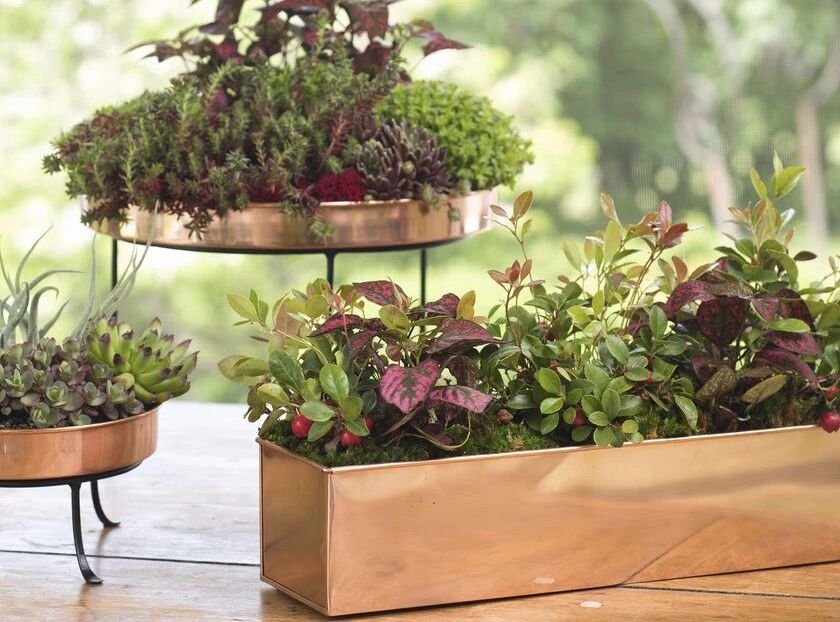
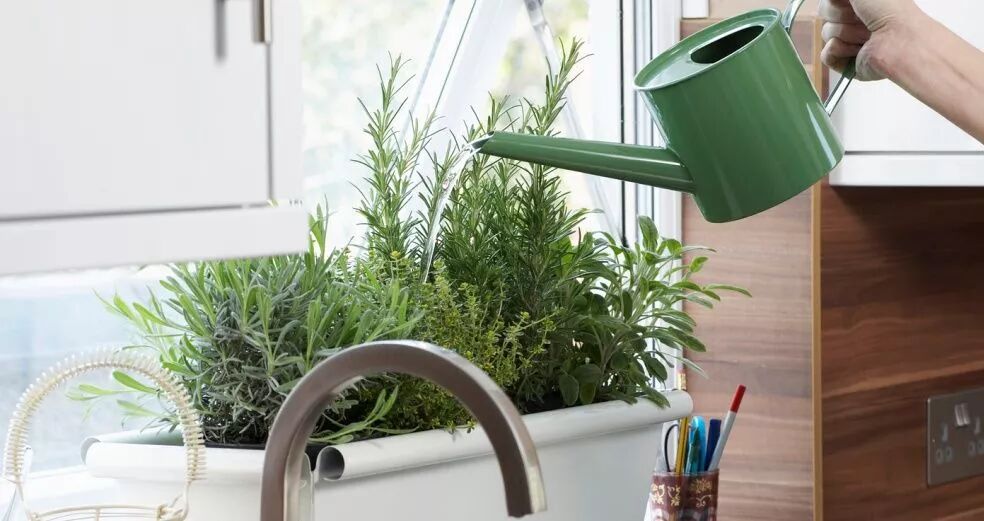
Always water thoroughly until water drains from the bottom—but empty the saucer afterward. Never let the pot sit in standing water.
Soil: Build a Solid Foundation
Herbs thrive in loose, well-draining soil. Regular garden soil is too dense for pots.
How to Mix Your Own Balcony Veggie Soil? Use an ideal mix: one part high-quality potting soil, one part perlite or coarse sand, plus a small amount of compost for nutrients. This balances moisture retention and aeration.
Soil pH matters too. Most herbs prefer slightly acidic to neutral soil (pH 6.0–7.0). Constant use of tap water can gradually raise pH, hindering nutrient uptake.
Repotting every one to two years is a smart habit. Old soil loses nutrients and structure, impeding root growth.
Daily Care: Small Actions, Big Rewards
Regular pruning is essential for continuous harvests. When harvesting, trim off about one-third of the top growth—this encourages bushier, more prolific plants.
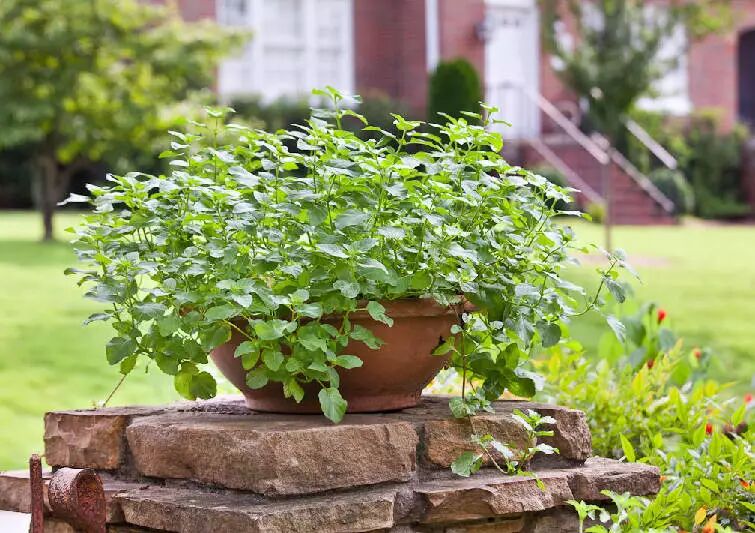
If flower buds appear, pinch them off unless you want to collect seeds. Flowering drains energy, causing leaves to toughen and flavor to decline.
Yellowing or dropping lower leaves usually signal insufficient light or improper watering. Adjust your care routine promptly—plants recover quickly.
Dust on leaves blocks photosynthesis. Gently wipe leaves with a damp cloth every one to two weeks—or place the pot in the bathroom during a hot shower for a quick steam bath.