Mastering how to water potted vegetables is the most critical skill for a successful container vegetable garden. Since plants in pots can’t seek out water like those in the ground, getting it right means the difference between a thriving harvest and a disappointing one. This guide will help you understand why, when, and how to water effectively.
1. Know Your Plants: 4 Types of Water Needs
Not all vegetables are created equal when it comes to thirst. Understanding these four categories is the first step to a tailored watering routine.
The Thirsty Leafy Bunch (High Water, High Moisture)
- Examples: Lettuce, Spinach, Kale, Arugula, Cabbage, Broccoli, Celery.
- Watering Style: Keep soil consistently moist, like a wrung-out sponge. It wilts quickly if dry.
The Steady Sippers (High Moisture, Lower Volume)
- Examples: Onions, Garlic, Leeks, Chives, Radishes.
- Watering Style: Soil should never dry out completely, but plants drink slowly and steadily.
The Heavy Drinkers (Moderate Moisture, High Demand)
- Examples: Tomatoes, Peppers, Cucumbers, Zucchini, Beans.
- Watering Style: Let the top inch of soil dry between deep, thorough waterings. Inconsistent watering leads to problems like “blossom end rot”.
The Drought-Tolerant Survivors (Low Water, Low Moisture)
- Examples: Rosemary, Thyme, Oregano, Lavender, Watermelon (once established).
- Watering Style: Let the soil dry out completely between waterings. Thrives on neglect; hates “wet feet.”
2. Watering Through the Lifecycle: A Stage-by-Stage Guide
Your plant’s water needs evolve. Match your strategy to its current stage for optimal growth.
Stage 1: Germination & Seedlings
Goal: Constant, even moisture.
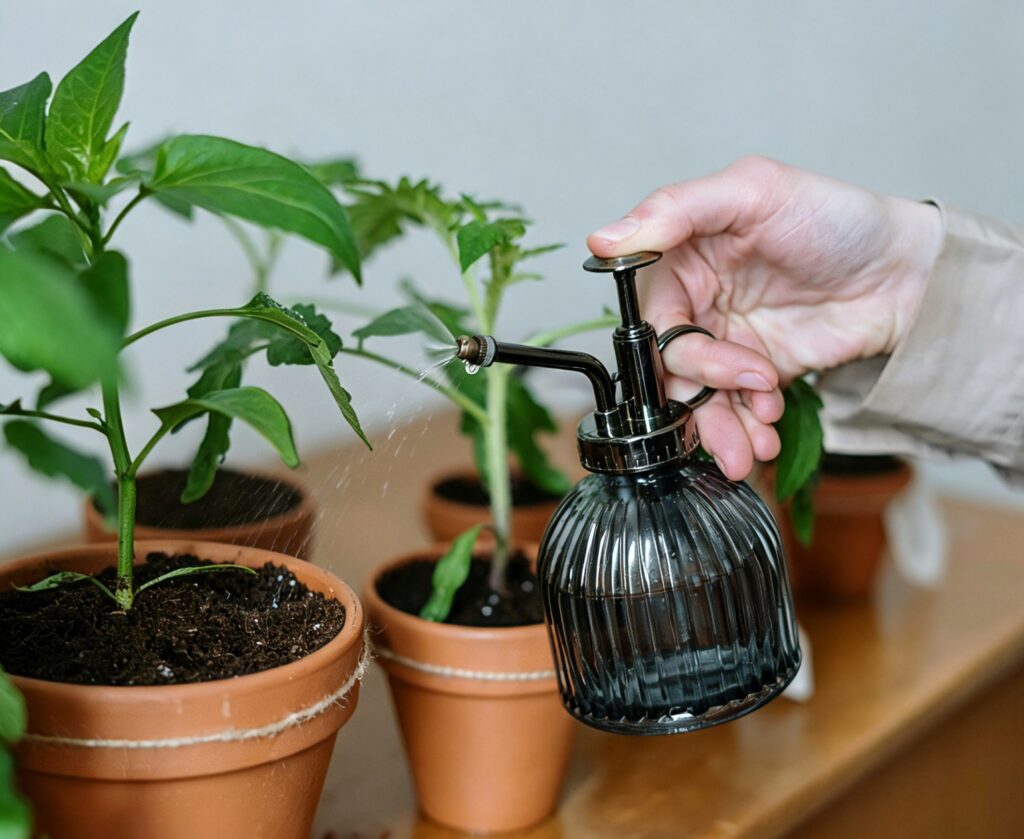
Method: Mist the surface daily. Use a plastic cover to retain humidity.
Key Rule: Never let the surface dry out.
Stage 2: Vegetative Growth
Goal: Build deep, strong roots.
Method: Water deeply, then wait until the top 1-2 inches of soil are dry.
Key Rule: Deep soaks are better than frequent sprinkles.
Stage 3: Flowering & Fruit Set
Goal: Consistent, even moisture.
Method: Maintain a regular schedule. Avoid wilting at all costs.
Pro Tip: Critical period for tomatoes/peppers. Fluctuations cause blossom end rot.
Stage 4: Fruit Ripening
Goal: Concentrate flavors (for some fruits).
Method: Slightly reduce watering frequency for tomatoes, melons, etc.
Note: Leafy greens and cucumbers still need consistent water.
3. Two Effective Watering Methods
Method A: Bottom Watering (The Soak)
How it works: Place the pot in a tray of 1-2 inches of water for 15-30 minutes. Capillary action draws water up through the drainage holes.
Best for: Seedlings, preventing wet leaves (disease control), ensuring complete saturation, and deterring fungus gnats.
Method B: Targeted Top Watering (The Precision Pour)
How it works: Use a watering can with a long spout. Water slowly at the base of the plant until it runs freely from the bottom.
Best for: Larger plants, flushing soil salts, and watering individual plants precisely.
💧 The Golden Rule: The Finger Test
Forget the calendar. Stick your finger 2 inches into the soil. If it feels dry to your fingertip, it’s time to water. If it feels damp, wait. Your plant and the weather are the only schedule that matters.
4. Diagnosis: Are You Over or Under-Watering?
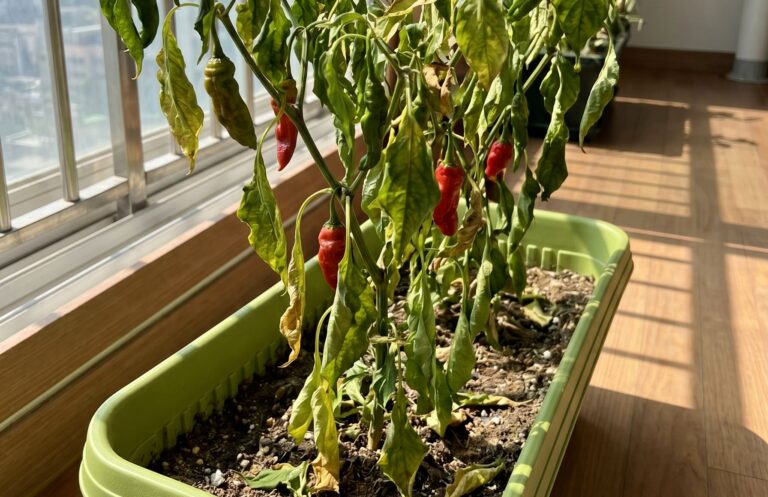
🚨 Signs of Overwatering (The Silent Killer)
- Leaves: Yellowing (especially lower leaves), soft and limp texture.
- Soil & Roots: Constantly soggy soil. A musty smell. Roots may be brown and mushy (root rot).
- Action: STOP watering. Let the soil dry completely. In severe cases, repot into a fresh, dry mix after trimming rotten roots.
🏜️ Signs of Underwatering
- Leaves: Wilting, dry, crispy, or curling at edges. Often starts at the top.
- Soil: Pulls away from pot edges. Bone-dry deep down.
- Action: Give the pot a long, deep soak (bottom watering works best here). Then, return to a consistent schedule.
5. The 5 Non-Negotiable Rules for Success
- Water in the Morning: Hydrates plants for the day, allows leaves to dry (preventing disease), and minimizes evaporation.
- Water Deeply, Not Frequently: Soak until water drains from the bottom. This encourages deep, resilient roots.
- Always Use Pots with Drainage Holes: This is absolute. Waterlogged soil is a death sentence for roots.
- Use Quality Potting Mix: Never use garden soil in containers. It compacts. Use a well-draining potting mix designed for containers.
- Mulch the Surface: A layer of straw or wood chips on the soil surface dramatically reduces water evaporation on hot days.
Quick-Reference Keywords:
watering potted vegetables, container gardening tips, overwatering signs, bottom watering, vegetable watering schedule, balcony garden care, how to water plants, gardening for beginners
A Final Note: This guide provides a strong foundation, but your best teacher is your garden. Factors like pot size, material, and local weather affect drying time. Use the Finger Test as your daily check, and let your plants’ health be your ultimate guide. Happy gardening!