- 1. Physical Pest Control: The Safest and Preferred Method
- 2. Repelling Pests with Odors: Protecting Crops with Natural, Irritating Odors
- 3. Homemade Natural Insect Repellent Spray Using Kitchen Ingredients
- 4. Reducing Pests at the Source: Environmental Management Is Key
- 5. Low-Maintenance Vegetables That Are Naturally Pest-Resistant and Ideal for Beginners
In pest control for balcony gardening, growing vegetables on your balcony, patio, or windowsill lets you enjoy the freshest, safest homegrown produce. But during the warmer months, aphids, whiteflies, fungus gnats, caterpillars, and slugs often make an appearance. The good news is that you can completely protect your home container garden from pests without using chemical pesticides. By combining physical barriers, scent repellents, homemade natural sprays, and good daily care, you can effectively safeguard your crops.
1. Physical Pest Control: The Safest and Preferred Method
Physical barriers and mechanical traps are the most direct, non-toxic ways to prevent pests from invading your plants at the source, and they are the first step recommended in organic gardening.
Insect Netting: Covering planting trays or individual pots with breathable, fine-mesh netting prevents flying insects like aphids, whiteflies, and cabbage moths—as well as butterflies—from laying eggs. It doesn’t affect airflow or light, making it the most hassle-free protection throughout the growing season.
Yellow Sticky Traps: Inserted or hung along the edge of the pot, these effectively trap aphids, greenhouse whiteflies, and small black flies. Check and replace them regularly; they can also serve as an early warning tool to gauge pest populations.
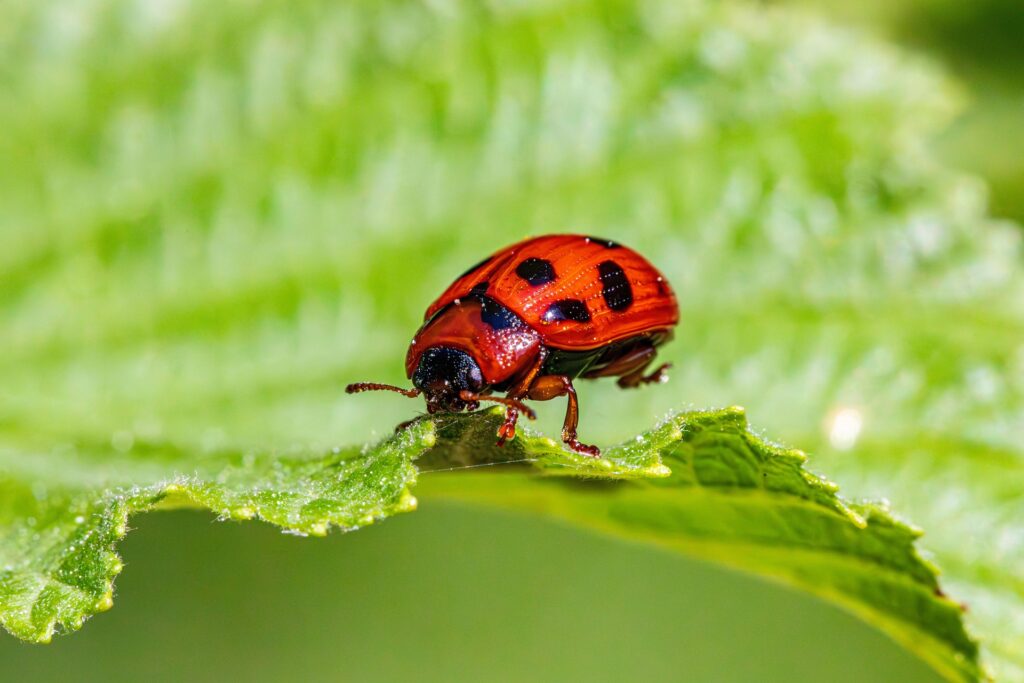
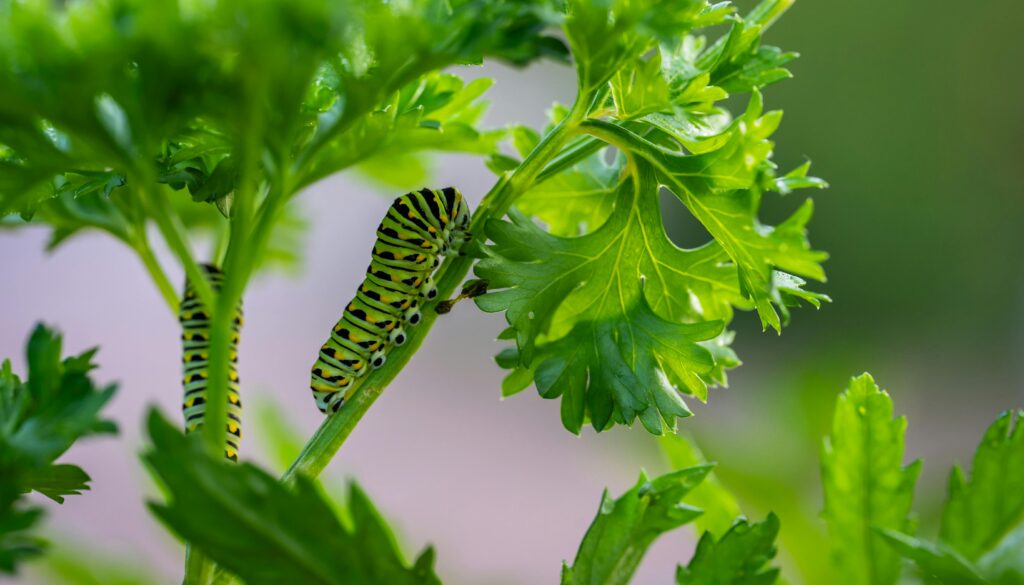
Manual Pest Control: Large caterpillars, snails, and slugs typically appear in the early morning or evening; remove them by hand. After a few days of consistent removal, their numbers will decrease significantly.
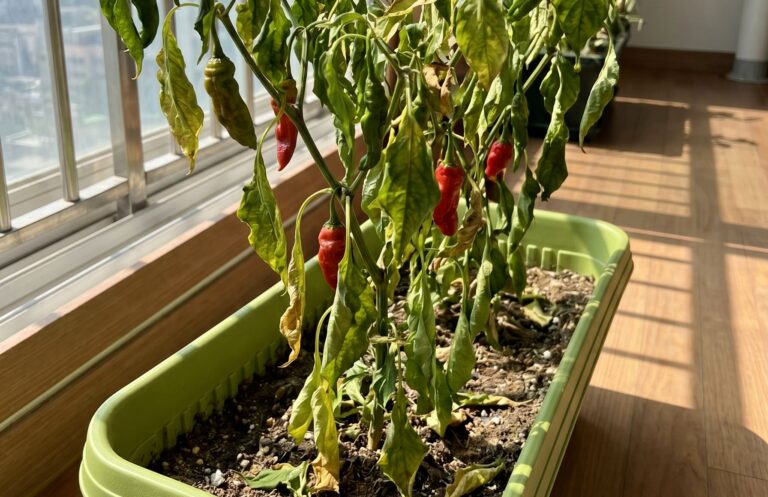
Promptly Remove Old and Diseased Leaves: Wilted, yellowed, and decaying leaves serve as breeding grounds for insect eggs and fungi. Regularly remove old and damaged leaves from the base of the plant to keep it clean and healthy, which can significantly reduce the likelihood of pest infestations.
2. Repelling Pests with Odors: Protecting Crops with Natural, Irritating Odors
Many pests are extremely sensitive to strong plant odors. Spraying irritating infusions or interplanting pest-repelling plants can cause pests to actively stay away.
Garlic-Chili Infusion: If you grow vegetables on a balcony, soak chopped garlic and dried chili peppers in warm water for 24 hours. After straining, spray the solution onto both the upper and undersides of leaves. This has a significant repellent effect on aphids and spider mites. Avoid spraying during periods of strong sunlight to prevent leaf burn.
Onion or Leek Water: Boil onions or leeks, let the liquid cool, and then spray it on plants. The strong odor deters moths and aphids, making this suitable for periodic light spraying as a preventive measure.
Companion Planting: Interplant mint, rosemary, lavender, scallions, garlic, or cilantro alongside vegetables. Their volatile essential oils repel many common pests, and they can be harvested and eaten as well.
Spreading Wood Ash on the Soil Surface: Sprinkle a thin layer of fully burned and cooled wood ash on the soil surface to deter snails and slugs from crawling, while also providing plants with potassium and calcium.

3. Homemade Natural Insect Repellent Spray Using Kitchen Ingredients
Common, mild household items can be used as organic contact insecticides when mixed in the correct proportions. These solutions are low-toxicity and suitable for homes with children and pets.
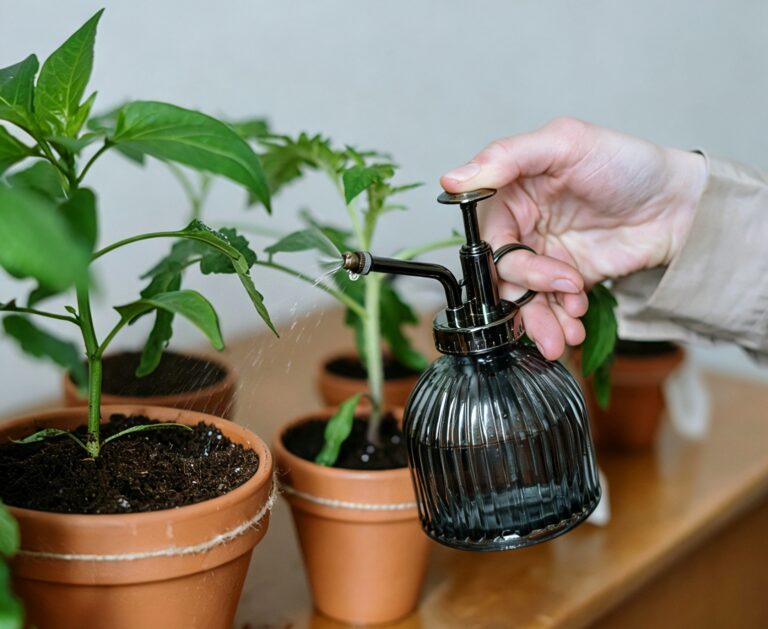
Very Diluted Dish Soap Solution (Simplified Insecticidal Soap): Add just 1 drop of fragrance-free dish soap to 1 liter of water. Shake gently to mix, then spray on areas where pests congregate. The surfactants will cause soft-bodied pests to dehydrate and die. Be sure not to use a solution that is too concentrated, as this can burn tender leaves.
Natural Soap Solution: Dissolve unscented Castile soap or a bar of pure soap in water to create a dilute soap solution. This is gentler than dish soap and is suitable for seedlings and tender leafy greens; the mechanism of action is the same.
Diluted White Vinegar Solution: Mix a very small amount of white vinegar with water and spray the mixture. This repels small flying insects and inhibits leaf mold. It is recommended to test this solution on a small area first to ensure there is no phytotoxicity before applying it over a larger area.

4. Reducing Pests at the Source: Environmental Management Is Key
Pest outbreaks often stem from excessive moisture, poor ventilation, or improper use of fertilizers. Improving the growing environment is the foundation for long-term pest control.
How to water potted vegetables: Water only when the soil is dry to the touch, and avoid prolonged dampness: Fungus gnats and mold thrive in soil that remains constantly moist. Insert your finger 2–3 centimeters into the soil; water only when it feels completely dry. Water thoroughly each time to prevent prolonged waterlogging in the potting mix.
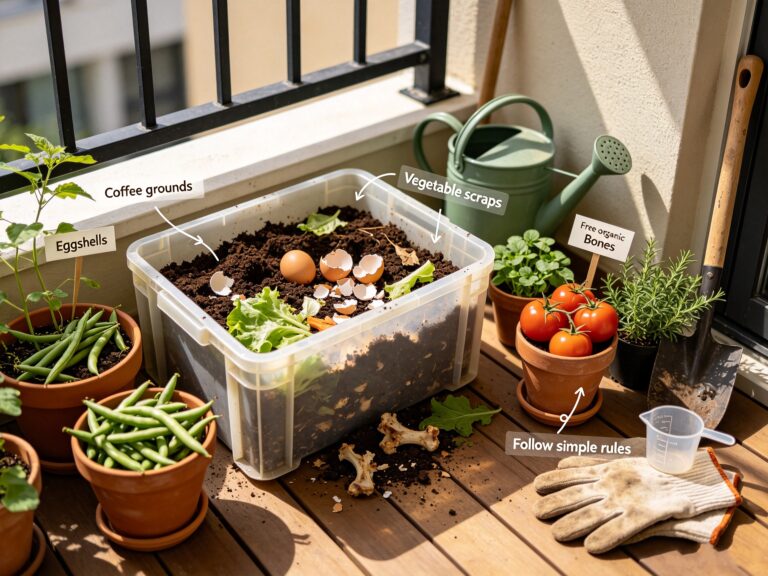
Do not use uncomposted raw manure: Raw rice washing water, fresh kitchen scraps, or raw eggshells buried in the potting mix easily attract flying insects and cause rotting, heat buildup, and root damage. Animal manure or kitchen scraps must be fully composted before use.
Ensure good ventilation: Enclosed or semi-enclosed balconies are most prone to outbreaks of aphids and whiteflies. Open windows whenever possible or install a circulation fan; airflow is a natural pest deterrent.
Rotate crops and avoid consecutive plantings of the same species: Avoid planting vegetables from the same plant family consecutively in the same container (e.g., planting several successive crops of cruciferous vegetables). This reduces the accumulation of soil-borne pests and diseases. When changing seasons, switch to crops from different families, such as legumes or herbs.
5. Low-Maintenance Vegetables That Are Naturally Pest-Resistant and Ideal for Beginners
If you want to minimize the effort required for pest control, prioritize varieties with strong natural odors or those that insects dislike eating; even beginners can easily achieve a good harvest.
Allium vegetables: Scallions, garlic, chives—contain natural sulfur compounds and are rarely attacked by pests.
Aromatic herbs: Mint, rosemary, lavender, cilantro—their essential oils keep most pests at bay.
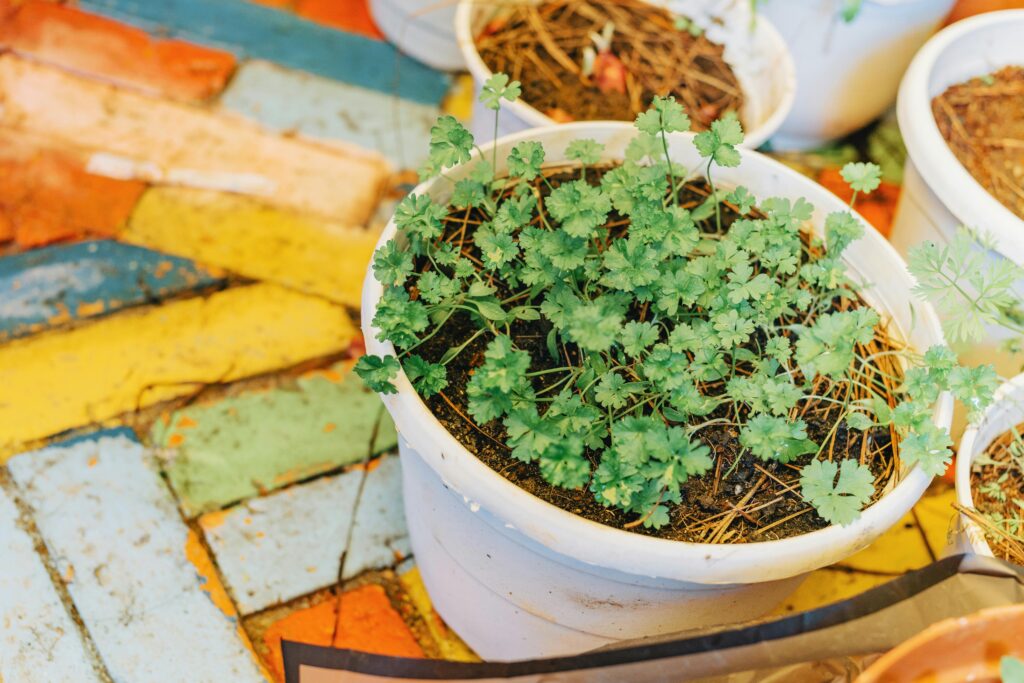
Other pest-resistant leafy greens: Lettuce, water spinach (Malabar spinach—may be listed as optional), Malabar spinach, and shiso—these are less prone to caterpillar infestations than cruciferous vegetables, making them ideal for low-maintenance balcony gardens.
By following this organic pest control approach—starting with physical barriers → supplemented by scent repellents → using homemade contact sprays when necessary → and continuously optimizing the environment and crop rotation—your balcony garden can remain healthy and lush, yielding bountiful harvests without the use of synthetic pesticides.