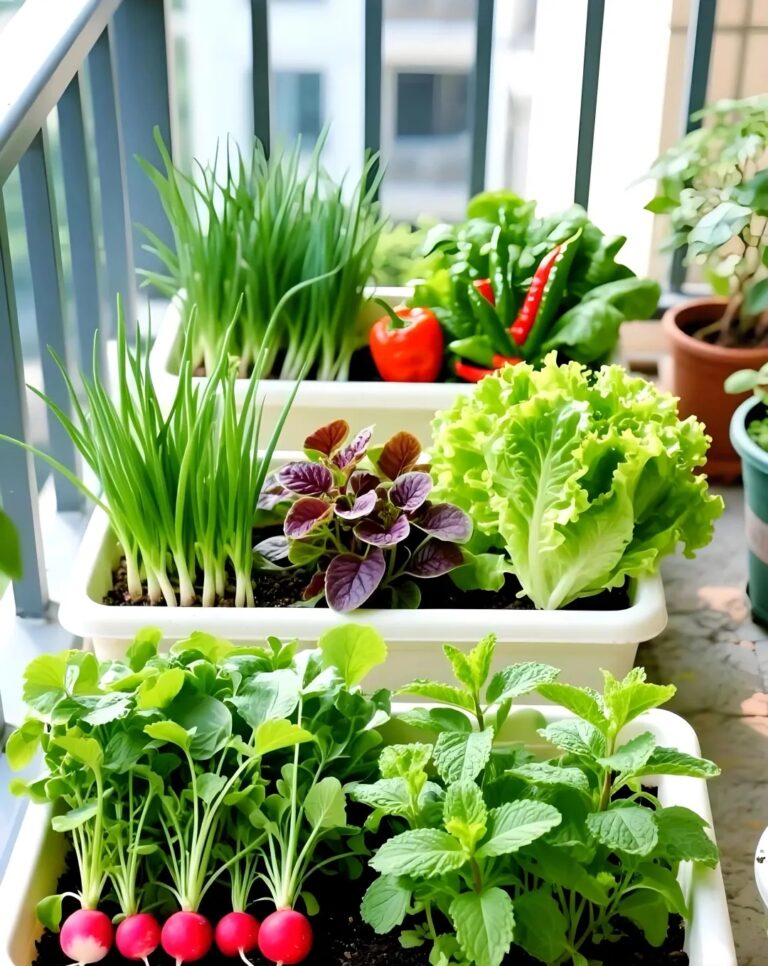
If you want to grow fresh vegetables on your balcony, having a few handy tools will make the job much easier. While many tasks can be done with items you already have at home, a set of specialized gardening tools will make the process easier and more efficient. Below, we’ve organized these practical tools into categories to help you sort through them.
Basic Tools for Pruning and Filling Soil
1. Gardening shears
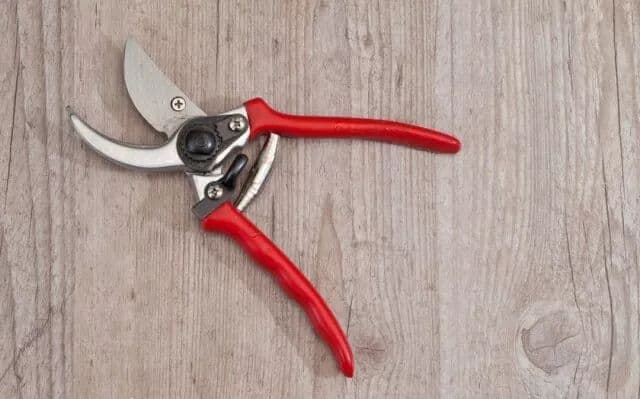
Garden shears are better suited for plant care than kitchen scissors or ordinary household scissors. Whether you’re trimming dead leaves, thinning seedlings, harvesting produce, or cutting through twine used for tying, they get the job done cleanly and efficiently.
2. Small Trowel
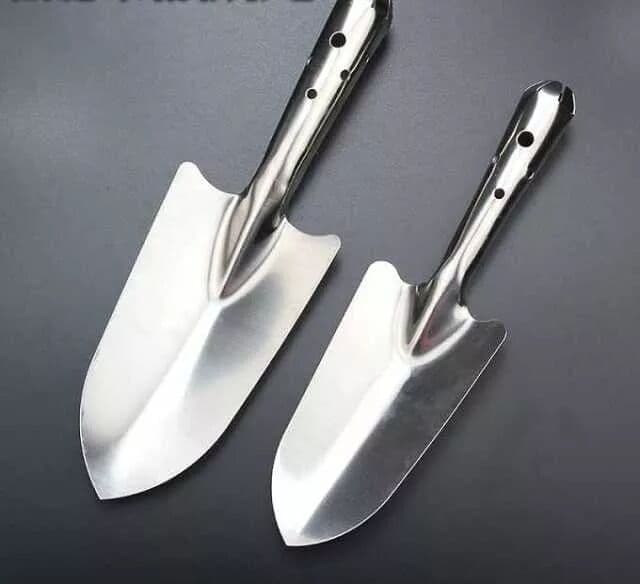
This compact trowel is perfect for filling or scooping soil in seedling trays and small pots. It’s typically around 30 cm long and can even double as a ruler. Plastic and stainless steel versions are generally more durable.
3. Handy Chopsticks
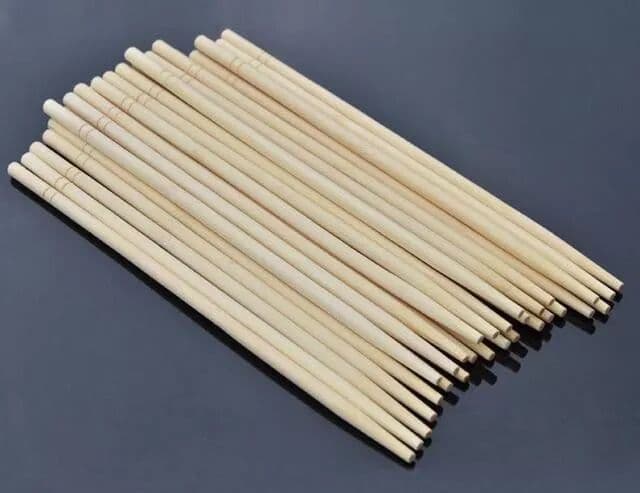
Don’t underestimate this tiny chopstick. It can gently lift seedlings from trays, smooth the soil surface, create small furrows for sowing, and even remove larger pests. Old chopsticks you no longer use make excellent substitutes.
Watering and Humidity Tools
1. Spray Bottle
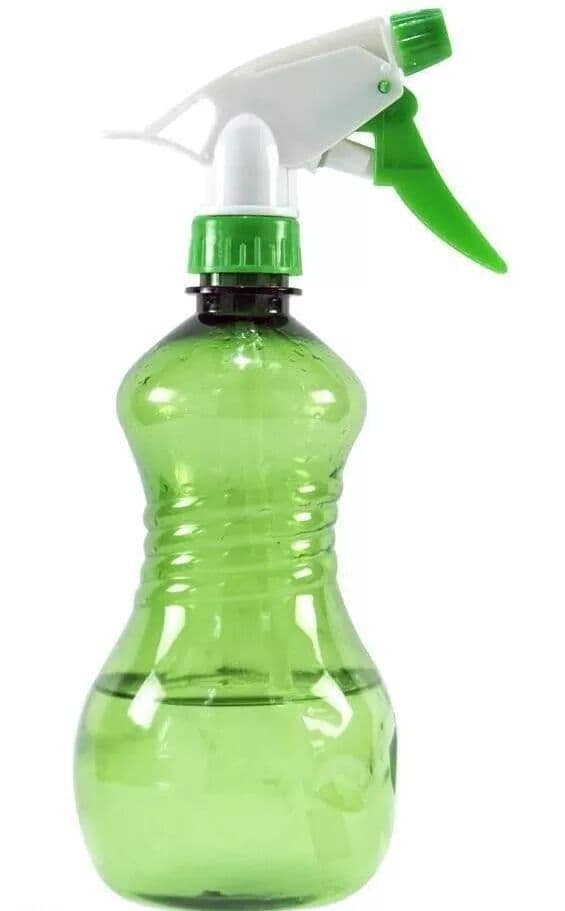
An essential tool for watering. When choosing one, it’s best to select a model with interchangeable nozzles so you can adjust the water flow to suit different plants’ needs.
2. Spray Bottle
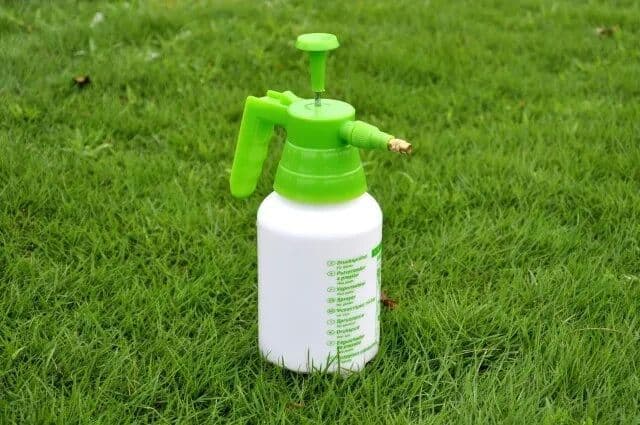
When seeds have just been sown and haven’t sprouted yet, a strong water stream can easily wash them away. In this case, the fine mist produced by a spray bottle is the safest option. When purchasing, prioritize models with a wide spray coverage.
3. Tray
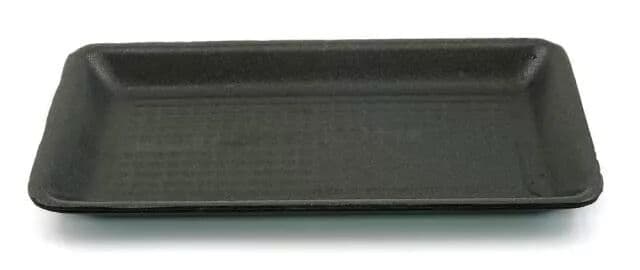
This deep tray has many uses. Fill it with water, then place seedling pots or trays inside; the soil will slowly absorb water through small holes in the bottom, a method that minimizes root damage. When it’s time to harvest, you can even use it as a temporary produce basket.
Seedling and Soil Preparation Tools
1. Seedling Pots
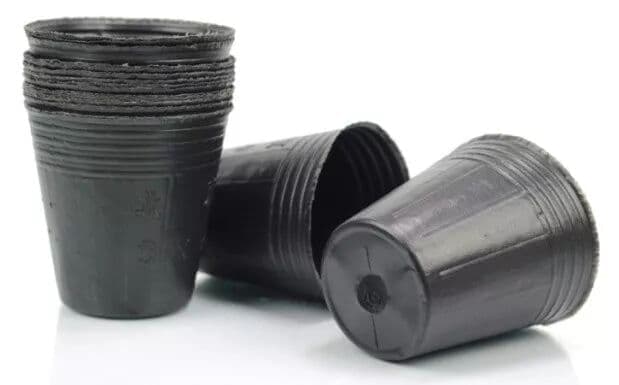
Small pots specifically designed for sowing seeds, taking cuttings, or propagating herbs. Their size is indicated by a “number”; No. 1 is approximately 3 cm in diameter. For everyday use, No. 3 seedling pots (approximately 9 cm in diameter) are the most convenient.
2. Seedling Trays
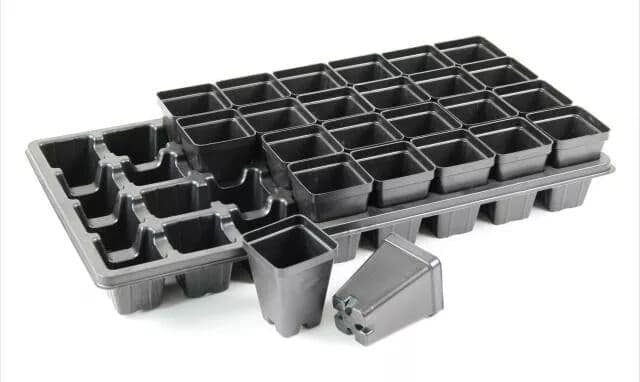
This is a grid-like seedling tray with interconnected cells. If each cell is 4 to 5 centimeters in diameter, you can grow seeds directly to transplanting size, eliminating the need for an intermediate repotting step. When using it, cut out the number of cells needed with scissors to plant the desired number of seedlings.
3. Plastic Drainage Mesh

Place this at the bottom of seedling trays or flower pots to prevent soil from escaping through the drainage holes. You can find pre-cut pieces that fit specific pot sizes, or large sheets that you’ll need to cut to size yourself. If you don’t have any on hand, using dried leaves can achieve a similar effect.
4. Sieve
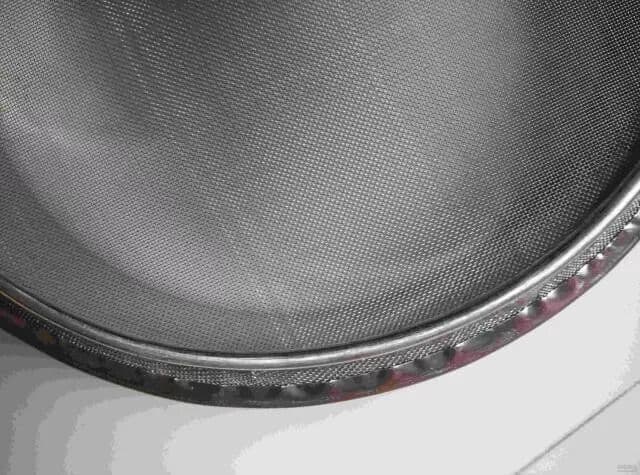
Use this to sift out fine soil or separate root debris and dead leaves from the soil. It’s best to use a small sieve; a large one is too cumbersome to use. Having two sieves with different mesh sizes—one coarse and one fine—will be more convenient. Use the coarse sieve for initial sifting and the fine sieve to produce a finer potting mix.
Support, Tying, and Measuring Tools
1. Stakes
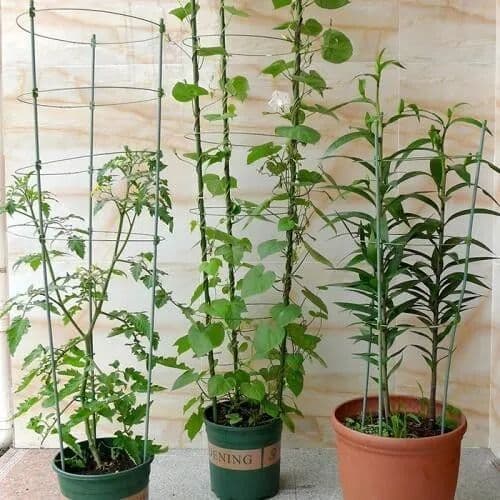
Placed next to the plant, these prevent it from falling over as it grows taller. They come in materials such as plastic, wood, and bamboo, and vary in length and thickness. Choose the appropriate height and thickness based on the variety of vegetables you are growing. Of course, straight branches pruned from trees can also serve as natural stakes.
2. Twine
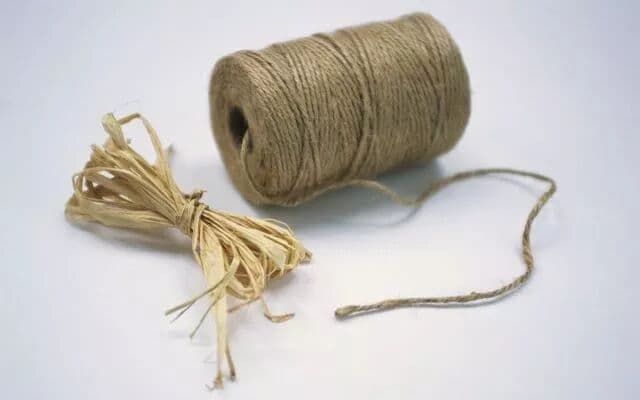
Hemp twine is commonly used. It is primarily used to secure plant stems to supports or to guide vines to grow in a specific direction, making it a great tool for managing climbing vegetables.
3. Tape Measure
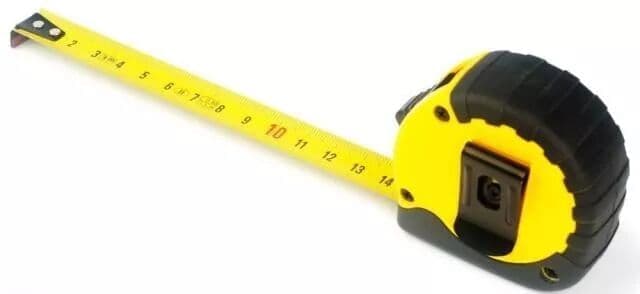
A tape measure makes it easy to measure your flower pots and mark plant spacing, so you can plan your balcony garden effectively.
Useful Special Tools
1. Mesh Bags
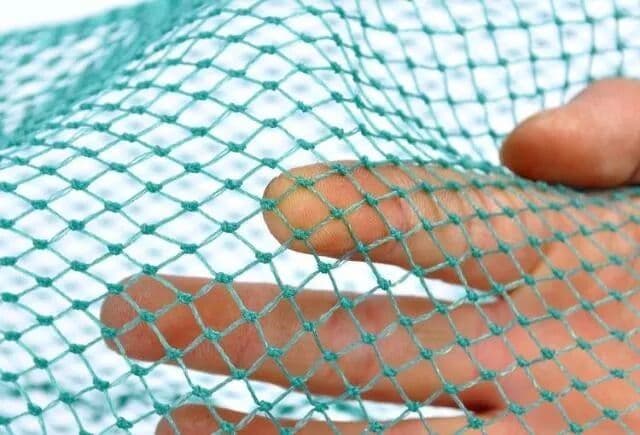
These plastic mesh bags come in various sizes and are incredibly versatile. They can serve as hanging supports as fruits grow, preventing vines from snapping; they can also act as climbing nets for mini watermelons and mini pumpkins; and sometimes they can even be used to hull grains with softer husks.
2. Garden Labels
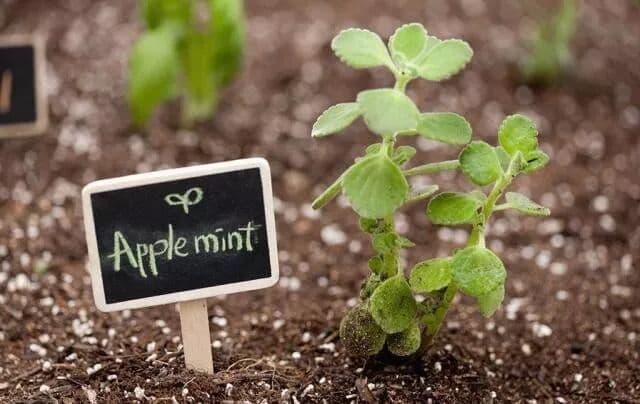
These are typically small plastic or wooden tags of varying sizes. You can write the planting date and vegetable name on them. To prevent the writing from smudging after watering, it’s best to use a pencil or a permanent marker.
3. Ear Scoop (with Cotton Tip)
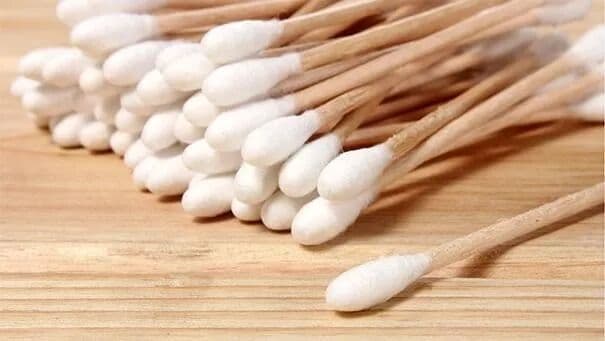
This small tool, featuring a soft cotton tip at one end, resembles a common ear pick. When pollinating insects like bees are scarce on the balcony, you can use it to gently collect pollen and perform artificial pollination on crops such as strawberries.
4. Saucer
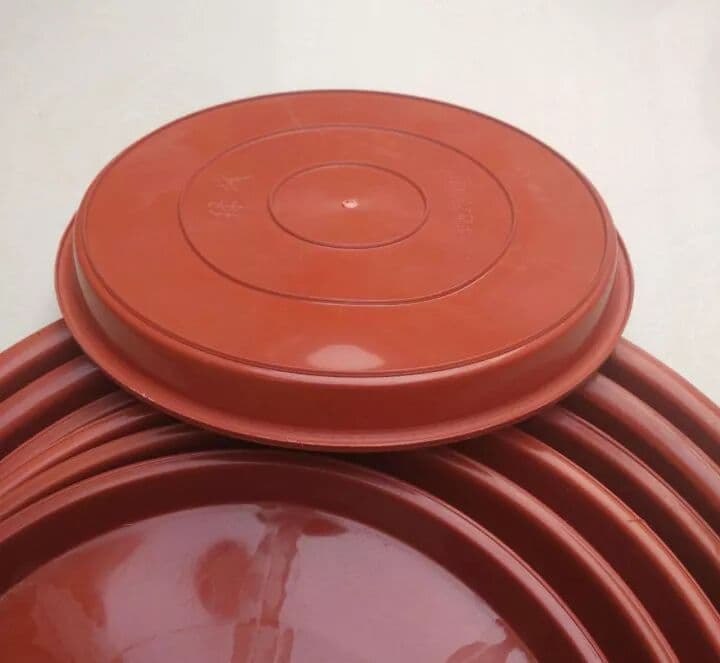
A shallow dish placed under a flower pot. It not only catches soil that falls out of the bottom of the pot but also holds water or fertilizer solution, allowing the soil to absorb it slowly from below. This prevents the soil surface from being washed away during watering and promotes better root growth.
5. Dustpan and Gardening Cloth
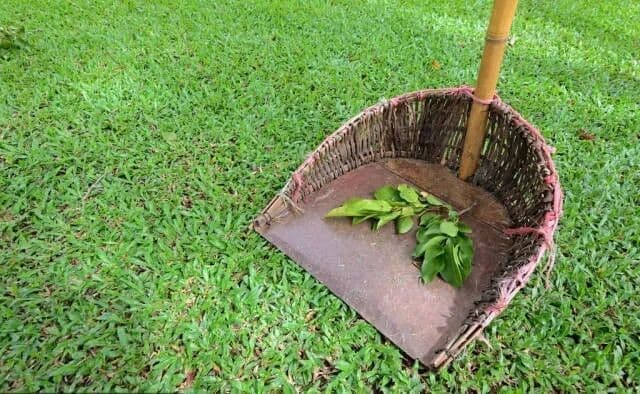
These two items are particularly convenient for collecting soil when mixing potting mix, repotting plants, or clearing away unwanted branches and leaves. You can also spread harvested root vegetables on the cloth to air-dry. When not in use, the gardening cloth can be folded up to save space. Old newspapers can also be used as substitutes for these tasks.
While the list of tools mentioned above may seem extensive, many tasks can be adapted to suit your specific circumstances. This list is intended to provide a comprehensive overview of each tool’s purpose, helping you gain a thorough understanding before selecting the ones that best suit your needs and gradually discovering the joy of growing vegetables on your balcony.