- 1. Cherry Tomatoes
- 2. Green Beans
- 3. Lettuce
- 4. Chili Peppers
- 5. Cherry Radishes (Globe Radishes)
- 6. Bok Choy (Pak Choi)
- 7. Spinach
- 8. Peas
- 9. Carrots
- 10. Cucumbers
- 11. Eggplant (Aubergine)
- 12. Zucchini (Courgette)
- 13. Kale
- 14. Beetroot
- 15. Mustard Greens
- 16. Garlic
- 17. Swiss Chard
- 18. Bitter Melon (Bitter Gourd)
- 19. Okra
- Start your pot‑to‑plate journey today
Growing your own food in containers is easier than you think. Whether you have a tiny balcony, a sunny windowsill, or a small patio, you can enjoy fresh harvests by choosing the right compact varieties and giving them a little daily care. Below, you will find 19 beginner‑friendly vegetables that truly excel in pots.
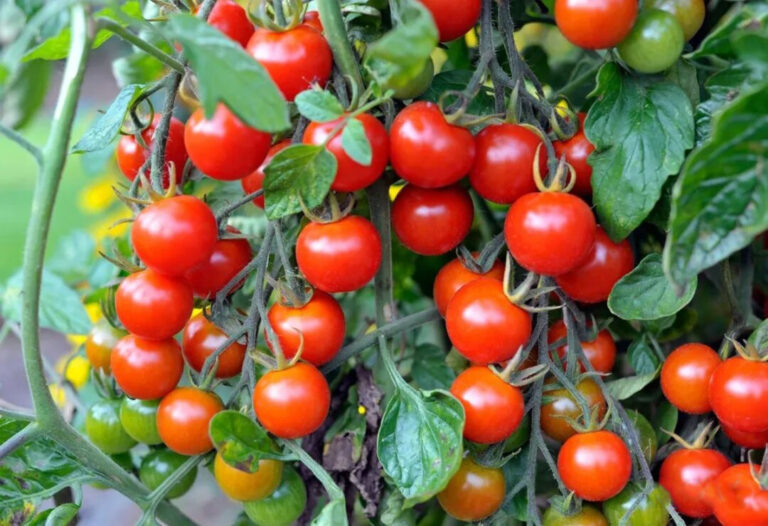
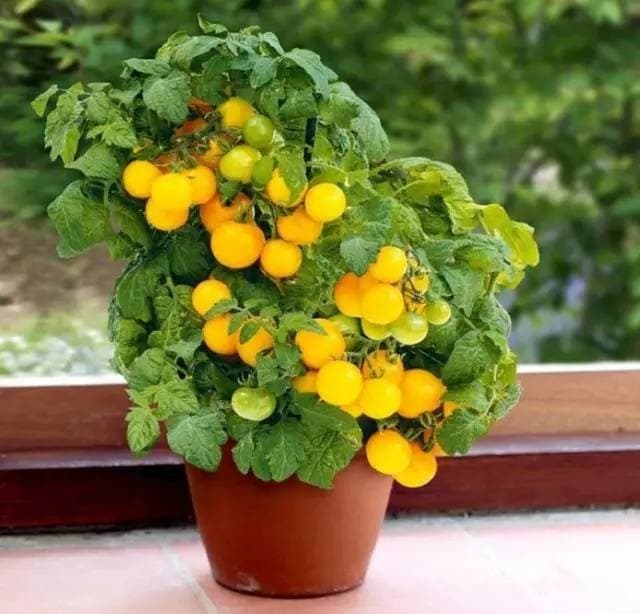
1. Cherry Tomatoes
Why they work in pots
Tomatoes are one of the most rewarding container crops. Cherry and other small‑fruited varieties are particularly resilient and often out‑yield large slicing types when space is limited.
Best varieties to try
Look for determinate or dwarf types labelled “patio” or “bush”, such as ‘Tiny Tim’, ‘Tumbling Tom’, or ‘Balcony’. They stay compact but produce heavily over several weeks.
Light and position
Give your plants at least 5–6 hours of direct sunlight every day. A south‑facing spot is ideal.
Potting and soil
Choose a pot at least 30–40 cm deep and wide. Use high‑quality potting mix and consider adding slow‑release vegetable fertiliser.
Watering and care
Water consistently to keep the soil evenly moist. Mulching the surface helps retain moisture and reduces stress on hot days.
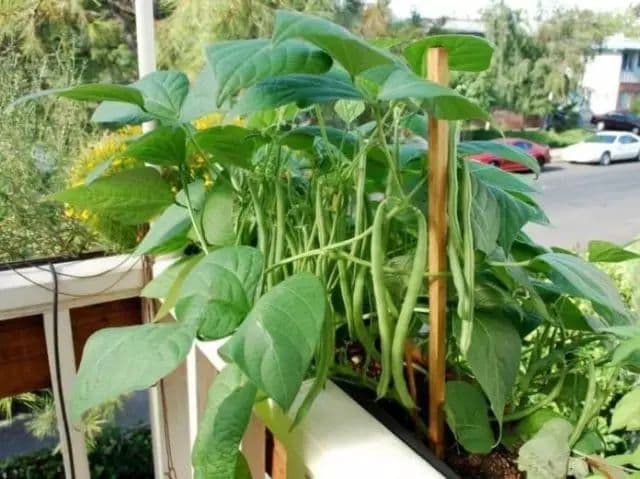
2. Green Beans
Why they work in pots
Both pole and bush beans are fast‑growing and productive plants. Pole beans climb readily, making beautiful vertical green walls in a matter of weeks.
Varieties to choose
For containers, bush beans like ‘Provider’ or ‘Contender’ are compact and hassle‑free. If you prefer climbing, try ‘Blue Lake’ pole beans.
Support and setup
Place a tall trellis or bamboo teepee against a sunny wall. In just a few weeks, the vines will cover the support and create a lush screen.
Container tips
Use a long, deep planter at least 25 cm deep. The soil needs to be fertile and well draining.
Sun and water
Beans love full sun. Water regularly, especially once flowers appear, to ensure pods form plump and tender.
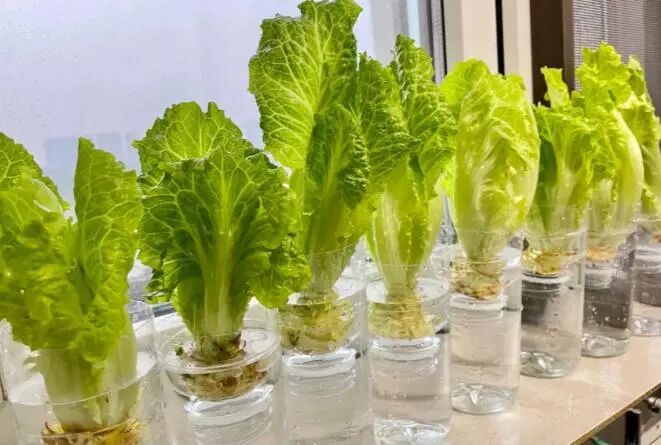
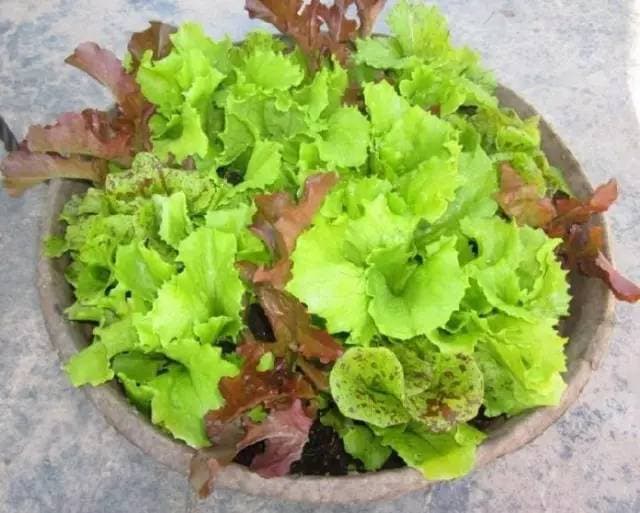
3. Lettuce
Why it works in pots
Lettuce is shallow rooted and grows incredibly fast. You can cut what you need and let the plant keep producing.
Seasonal planting
In cool and temperate regions, sow lettuce in spring, summer, and early autumn. In warmer southern areas, it also grows well through winter.
Container setup
A fairly shallow pot, around 15–20 cm deep, works perfectly. Space plants at least 10 cm apart so each head can develop fully.
Soil and feeding
Use rich, well‑drained potting soil. Lettuce is a light feeder, but a diluted liquid feed every two weeks encourages lush leaves.
Watering
Keep the soil constantly moist. Dry spells lead to bitter flavour and early bolting.
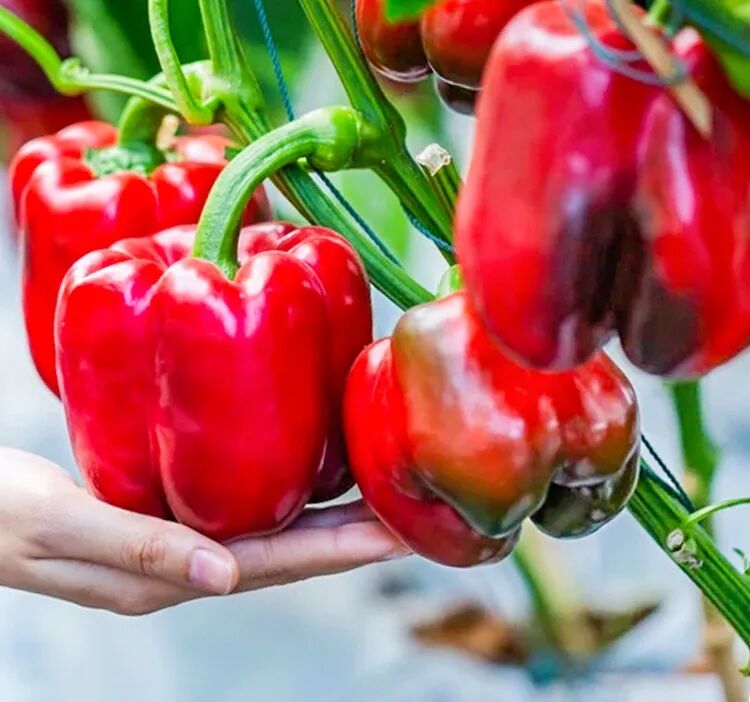
4. Chili Peppers
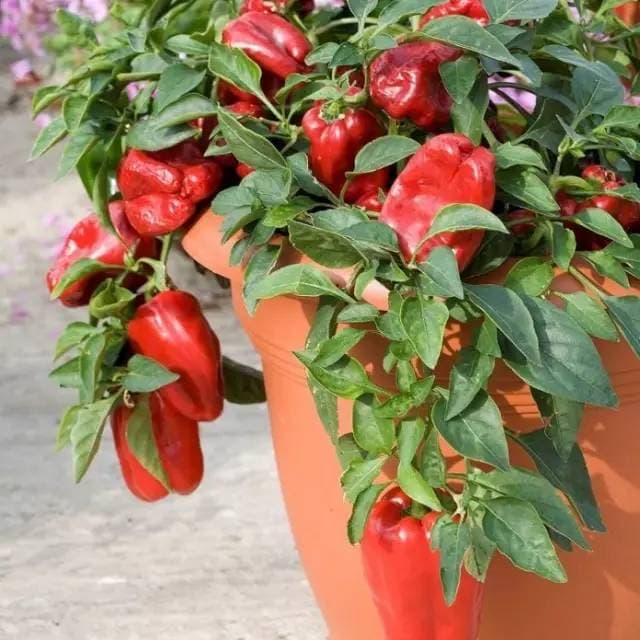
Why they work in pots
Chili and hot peppers thrive in containers, often producing hotter and more abundant fruit when their roots are slightly confined.
Varieties
Compact kinds like ‘Apache’, ‘Prairie Fire’, or ‘Jalapeño’ perform beautifully in pots.
Pot size
Peppers develop a large, deep root system, so choose a container at least 30 cm wide and deep. Good drainage is essential.
Position and warmth
They demand a warm, sunny, sheltered location. A spot that stays hot throughout the day is best.
Feeding and care
Fertilise with a potassium‑rich tomato or chilli feed once the first flowers appear. Water regularly but avoid making the soil soggy.
5. Cherry Radishes (Globe Radishes)
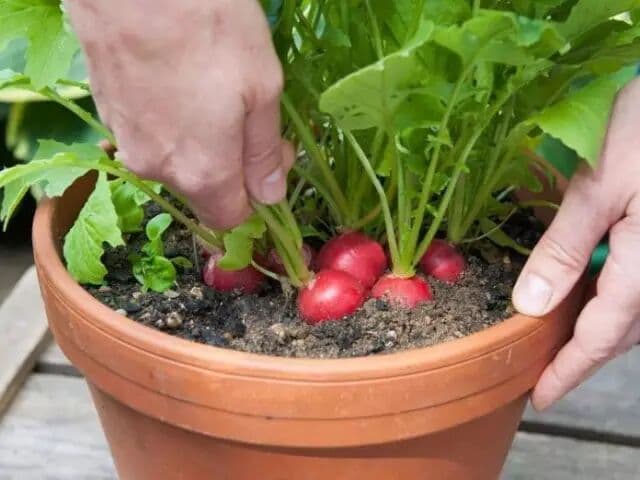
Why they work in pots
These tiny, round radishes are as cute as cherries and ready to harvest in as little as 3–4 weeks. They are one of the quickest rewards for container gardeners.
Varieties
‘Cherry Belle’ and ‘French Breakfast’ are reliable and crisp, with the classic red‑and‑white colouring.
Container needs
Even a window box or small pot 15 cm deep will do. Sow seeds sparingly and thin seedlings to 3–5 cm apart.
Growing conditions
Radishes prefer cool weather and moderate sun. In hot months, give them a little afternoon shade.
Watering
Water regularly to keep the roots tender and mild. Inconsistent moisture can make them hot and woody.
6. Bok Choy (Pak Choi)
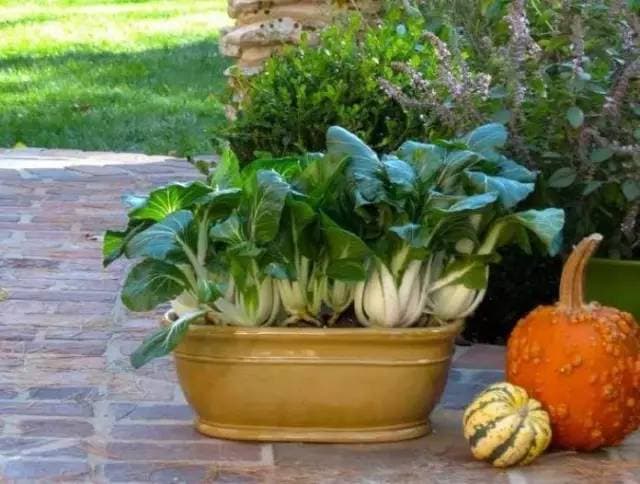
Why it works in pots
Often listed as “Chinese cabbage” in some regions, bok choy is a fast‑growing leafy green that is ready to pick in just a few weeks.
Light and position
It only needs 3–4 hours of direct sun daily, making it perfect for slightly shadier balconies or windowsills.
Container and soil
Use a pot at least 20 cm deep filled with moisture‑retentive potting mix. Plant each seedling about 15 cm apart.
Watering
Bok choy needs consistent moisture. Keep the soil damp but not waterlogged to encourage tender, juicy stalks.
Feeding
Apply a diluted organic nitrogen fertiliser every couple of weeks to promote lush leaf growth.
7. Spinach
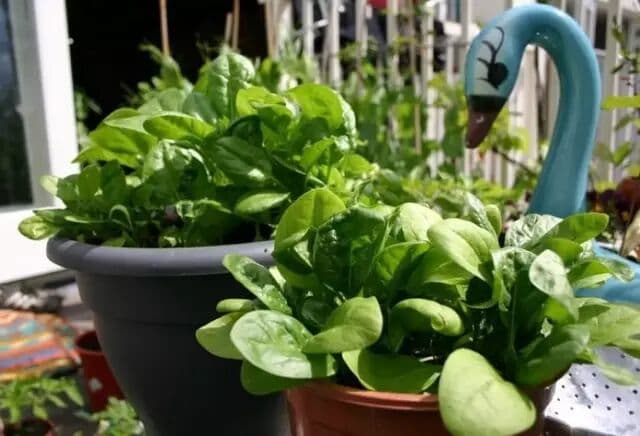
Why it works in pots
Spinach is one of the best leafy greens for containers. Its shallow root system allows it to grow happily in modest‑sized pots, even on a kitchen windowsill.
Light requirements
It can thrive in partially shaded spots. Just a few hours of gentle morning sun or dappled light is enough.
Pot and spacing
A container only 15–20 cm deep works well. Thin seedlings to about 8–10 cm apart.
Watering
Spinach likes consistently moist soil. Water frequently in dry weather to prevent bolting and bitterness.
Continuous harvest
Pick the outer leaves first. The plant will keep producing new foliage from the centre for weeks.
8. Peas
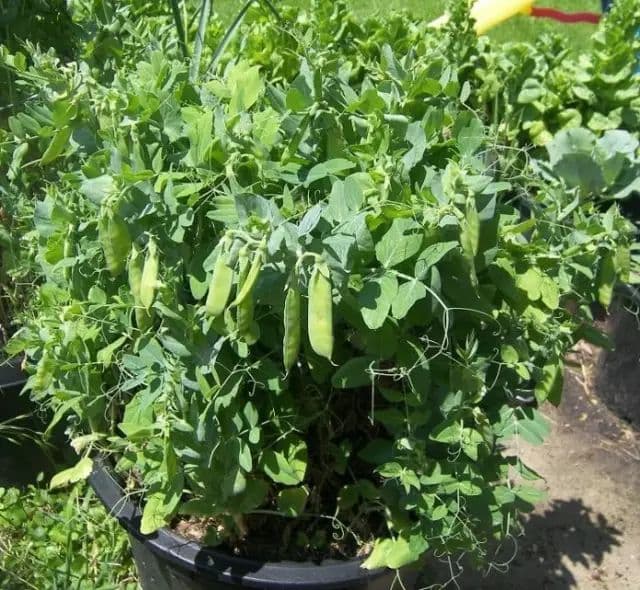
Why they work in pots
With delicate tendrils and pretty flowers, peas are both ornamental and productive. Dwarf and semi‑dwarf varieties are tailor‑made for balcony containers.
Varieties for containers
Choose compact types like ‘Tom Thumb’, ‘Little Marvel’, or ‘Sugar Ann’ snap peas. They need minimal support.
Support
Place short twigs or a small trellis in the pot when plants are young. The tendrils will quickly find their way up.
Sun and soil
Peas thrive in cool, mild weather with plenty of sunlight. Use deep, rich soil and keep it lightly moist.
Watering
Water regularly but ensure pots never become waterlogged, as peas dislike soggy roots.
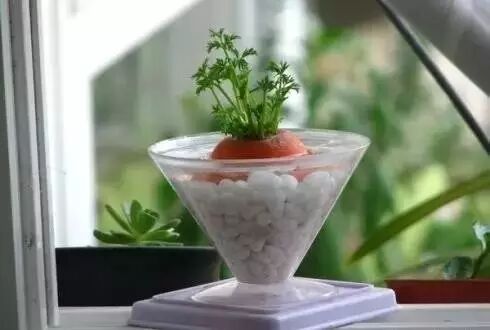
9. Carrots
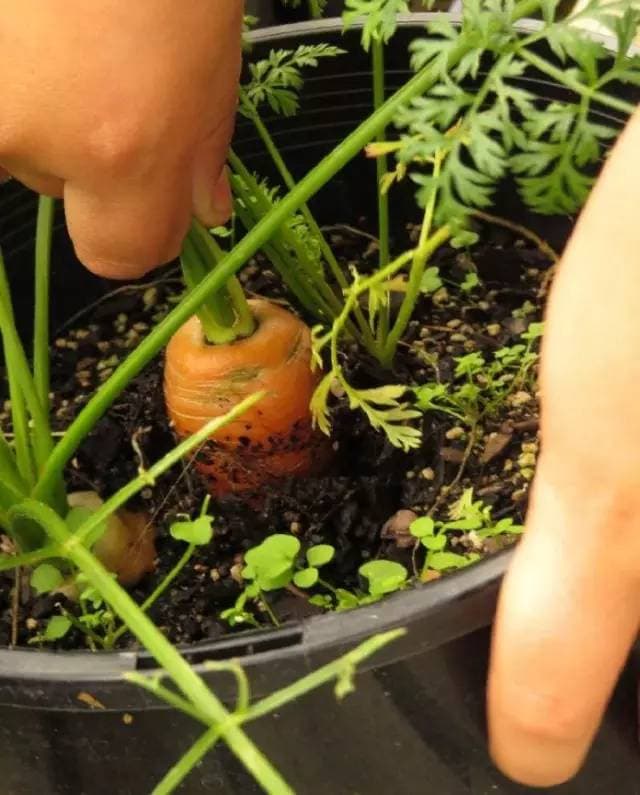
Why they work in pots
Short‑rooted carrot varieties are tailor‑made for containers and take surprisingly little space on your balcony.
Best varieties
Try ‘Paris Market’ (round) or ‘Little Finger’ (cylindrical). They perform brilliantly in pots over 25–30 cm deep.
Soil tips
Use loose, sandy, well‑draining potting mix. Any stones or clods can cause forked roots.
Watering consistently
Carrots need regular, even watering. Soil that swings between dry and wet leads to split or tough roots.
Position
They grow best in cool temperatures and full sun. In warmer regions, give them partial afternoon shade.
10. Cucumbers
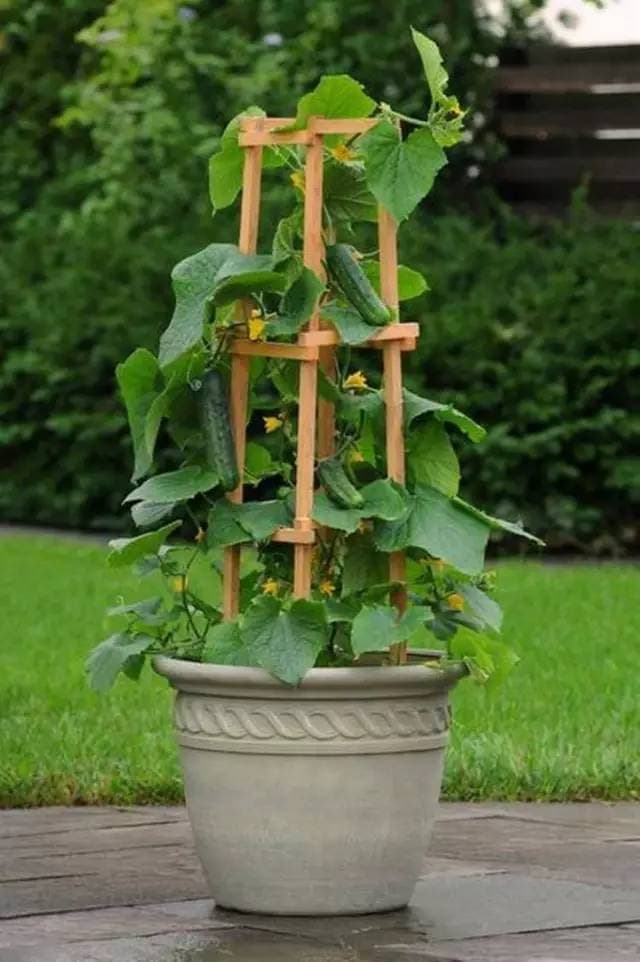
Why they work in pots
Bush‑type cucumbers are heavy producers and, with steady water, reward you with crisp, refreshing fruit all summer.
Varieties
Look for “bush” or “patio” varieties such as ‘Bush Champion’ or ‘Spacemaster’. Vining types work well too if you add a trellis.
Container and support
Use a pot at least 30 cm deep. If growing a climbing variety, insert a sturdy cage or trellis at planting time.
Sun and warmth
Cucumbers crave full sun and warmth. Set them in the sunniest spot you have.
Watering and feeding
Water generously and frequently. Liquid feed every 10–14 days once fruiting starts to keep vines productive.
11. Eggplant (Aubergine)
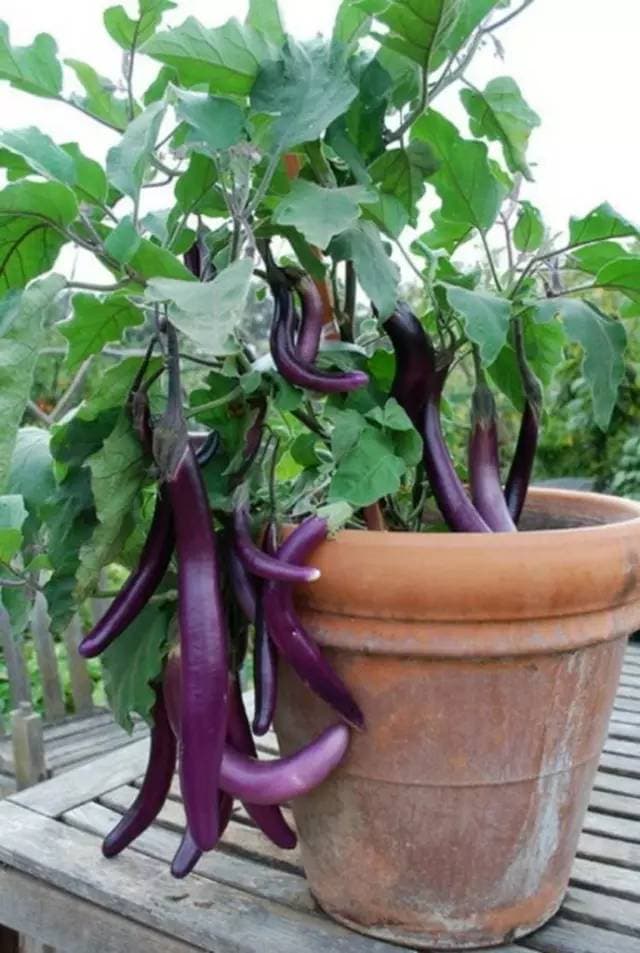
Why they work in pots
Eggplants love heat and do exceptionally well in containers, often producing better harvests than garden‑grown plants thanks to warmer root zones.
Varieties
Compact types like ‘Patio Baby’, ‘Fairy Tale’, or ‘Little Finger’ are reliable and prolific.
Warmth and shelter
Place the pot in a hot, sunny, wind‑protected area. They need consistent warmth and high humidity to set fruit.
Pot size and soil
A deep container of at least 30 cm filled with nutrient‑rich, well‑draining potting mix is essential.
Pest management
Watch for aphids and flea beetles. A regular spray of insecticidal soap or neem oil keeps problems in check.
12. Zucchini (Courgette)
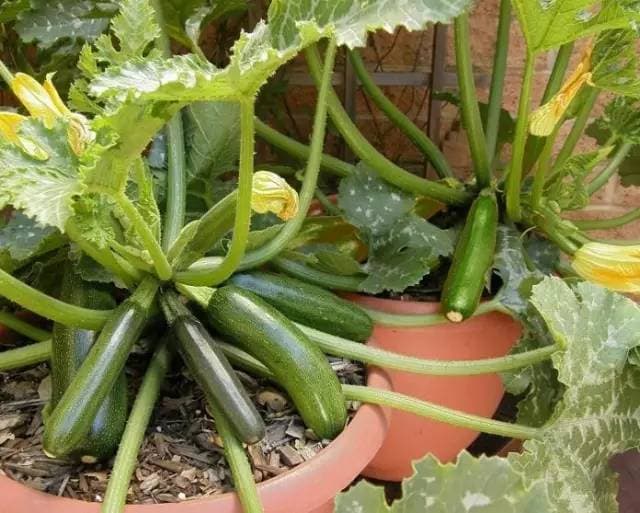
Why they work in pots
Zucchini is a robust, fast‑growing crop. Even a single plant in a large pot can supply you with a steady stream of fruit.
Container choice
Use a pot or grow bag at least 40 cm wide and deep. The root system needs plenty of room.
Sun and position
It requires full sun and thrives on balconies, rooftops, or any blazing‑hot spot you can provide.
Watering
Water deeply and frequently, especially once fruit begins to swell. Mulching helps retain soil moisture.
Harvest tip
Pick fruits when they are 15–20 cm long to encourage the plant to keep producing.
13. Kale
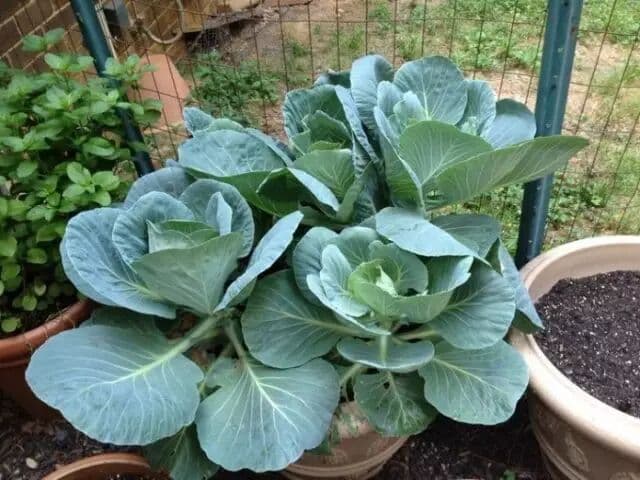
Why it works in pots
Kale is one of the hardiest greens you can grow. A single plant can provide months of nutritious leaves.
Varieties
‘Dwarf Blue Curled’, ‘Nero di Toscana’ (also known as dinosaur kale), and ‘Red Russian’ all do well in containers.
Planting
Grow one plant per 25–30 cm pot. Its roots are relatively shallow, but its sturdy stem benefits from deep anchoring.
Care
Kale is a heavy feeder. Apply a balanced organic fertiliser every few weeks. It grows quickly and tolerates light frost.
Harvest
Pick the lower leaves, and the plant will keep producing new growth from the centre.
14. Beetroot
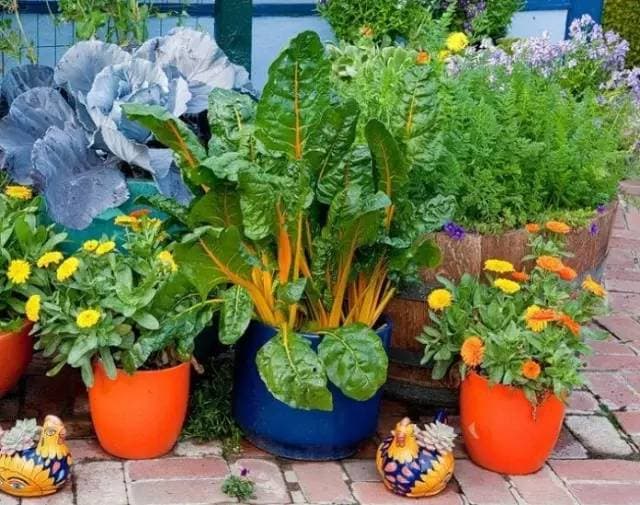
Why they work in pots
Beetroot is a wonderfully versatile crop that supplies both earthy roots and nutritious, spinach‑like leaves.
Container needs
A pot 20–25 cm in diameter and at least 25 cm deep is sufficient. You can grow several plants in a wide trough.
Varieties
‘Detroit Dark Red’ or mini types like ‘Baby Beet’ are perfect for container life.
Light and temperature
Beets like mild to warm weather and can tolerate light frost. Position in full sun to partial shade.
Watering
Keep the soil consistently moist to ensure tender, sweet roots. Dry soil leads to woody beets.
15. Mustard Greens
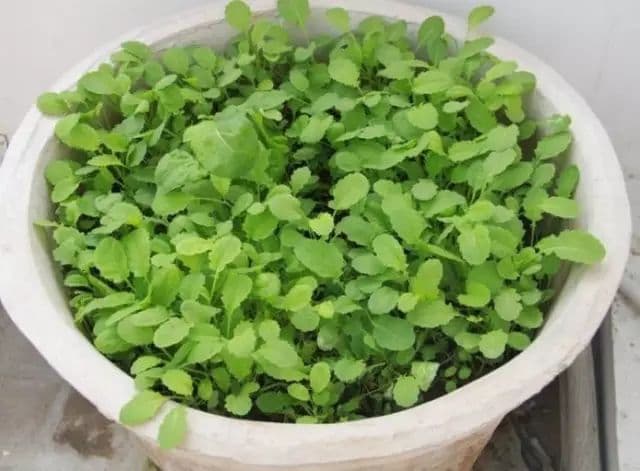
Why they work in pots
Mustard greens (often labelled “Chinese mustard” in some seed catalogues) are extremely easy, fast‑growing, and have a high germination rate.
Varieties
Southern giant curled mustard, red giant, or ‘Osaka Purple’ are all vigorous and container‑friendly.
Warmth and care
They prefer warm conditions and are not frost tolerant. Expect vigorous growth and a spicy kick in salads or stir‑fries.
Container tips
A 20–25 cm deep pot filled with fertile, moisture‑retentive compost works well. Thin seedlings to about 15 cm apart.
Harvesting
Pick individual leaves when young and tender for the mildest flavour.
16. Garlic
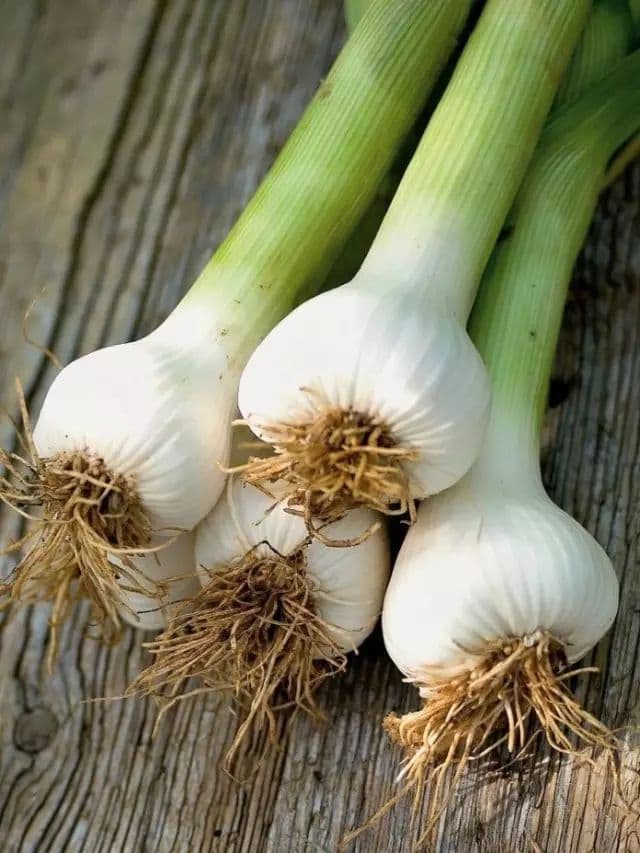
Why it works in pots
Garlic may be a kitchen staple, but growing your own is surprisingly easy and exceptionally rewarding. A single deep pot can yield a full bulb harvest.
Pot and spacing
Choose a container at least 20 cm deep and as wide as possible. Space individual cloves 12–15 cm apart, with the pointed end up.
When to plant
Plant in autumn for a summer harvest, or in early spring in colder regions.
Sun and soil
Garlic needs full sun and loose, well‑drained potting mix. Avoid heavy or waterlogged soils.
Care
Water moderately. Stop watering once the leaves start yellowing and bending over, signalling they are nearly ready to lift.
17. Swiss Chard
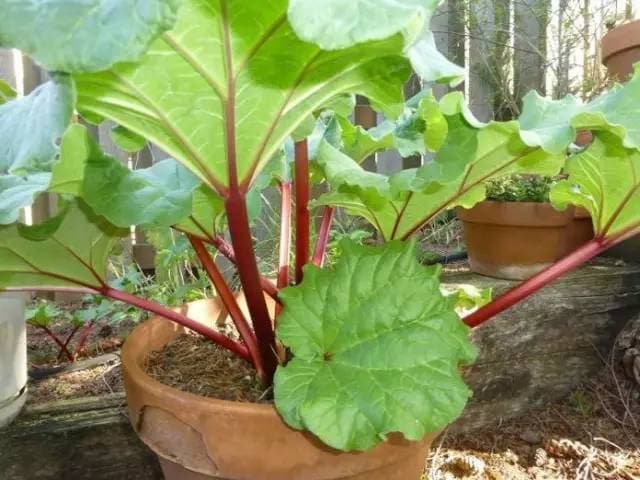
Why it works in pots
Often mistaken for “red‑stemmed beet”, Swiss chard is a vigorous perennial leaf crop with brilliantly coloured pink, red, or golden stems. You can harvest leaves again and again.
Varieties
‘Bright Lights’, ‘Ruby Red’, and ‘Rhubarb Chard’ are stunning and productive container choices.
Container needs
Use a deep pot (at least 25–30 cm) with excellent drainage. The plant’s taproot needs room.
Cold tolerance
Swiss chard is highly cold‑tolerant and will produce well into late autumn, even surviving mild winters.
Harvesting
Snip outer stems at the base and let the inner ones keep growing. Regular picking encourages fresh leaves.
18. Bitter Melon (Bitter Gourd)
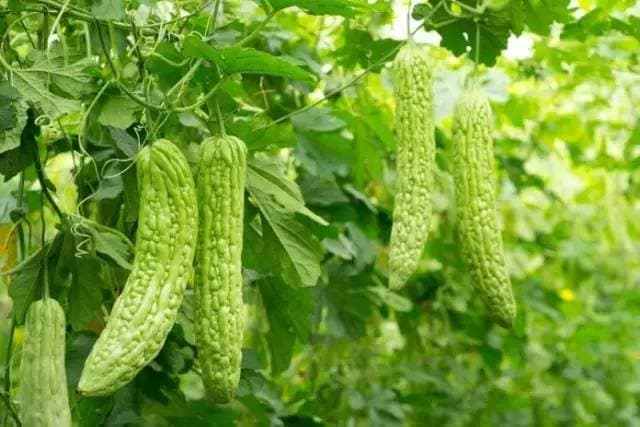
Why it works in pots
Beloved in many Asian cuisines, bitter melon is surprisingly easy to grow in large containers. Its cooling, refreshing quality makes it a summer favourite.
Varieties
Look for Indian or Chinese bitter melon varieties, which are vigorous climbers.
Support and container
Use a long, trough‑shaped container at least 30 cm deep and install a sturdy trellis or netting for the vines to cling to.
Sun and heat
Bitter melon needs full sun and plenty of warmth. Position it in the hottest, most sheltered spot you have.
Watering and feeding
Keep the soil evenly moist and feed with a balanced liquid fertiliser every two weeks during the growing season.
19. Okra
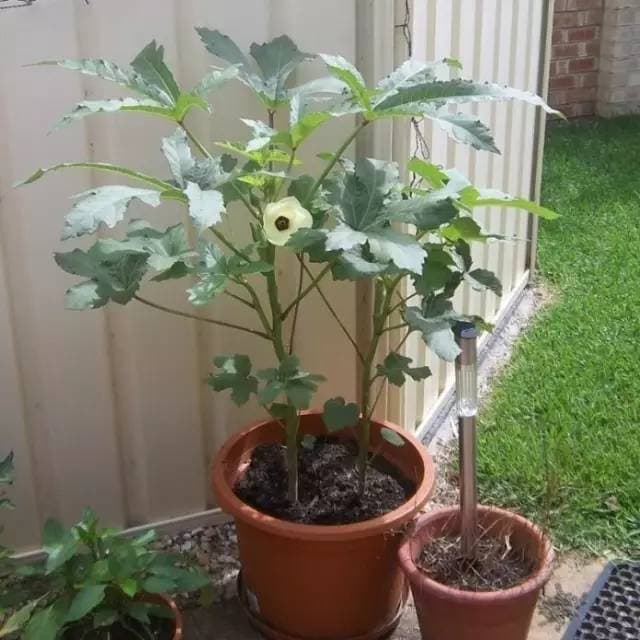
Why it works in pots
Okra thrives in hot conditions and asks for very little beyond sun and occasional feeding. Dwarf varieties are practically made for containers.
Container and soil
A pot at least 25–30 cm deep filled with rich, well‑draining mix supports a dwarf okra plant beautifully.
Varieties
Dwarf types like ‘Baby Bubba’ or ‘Little Lucy’ stay compact but produce plenty of pods.
Sun and feeding
Place in full sun and fertilise lightly with a high‑potassium feed once the first flowers appear.
Harvesting
Pick pods when they are young and tender, about 7–10 cm long, to keep the plant productive.
Start your pot‑to‑plate journey today
No matter how small your space, there is a container vegetable waiting for you. Pick a few favourites, follow the simple care tips above, and you will soon be enjoying home‑grown flavour straight from your own balcony or windowsill.