- Why Make Your Own Potting Soil
- Sphagnum Moss and Coconut Coir: Two Basic Growing Media
- Perlite, Vermiculite, and Horticultural Sand: Regulating Drainage and Aeration
- Compost and Well-Decomposed Manure: Sources of Organic Matter and Nutrients
- Homemade Garden Soil: When and How to Use It
- Wood Chips and Bark Chips: Increasing Organic Matter Volume
- Charcoal and Wood Ash: Adjusting pH and Improving Drainage
- A Basic DIY Potting Mix Recipe for Vegetables
- What Not to Add to Potting Mix
Why Make Your Own Potting Soil
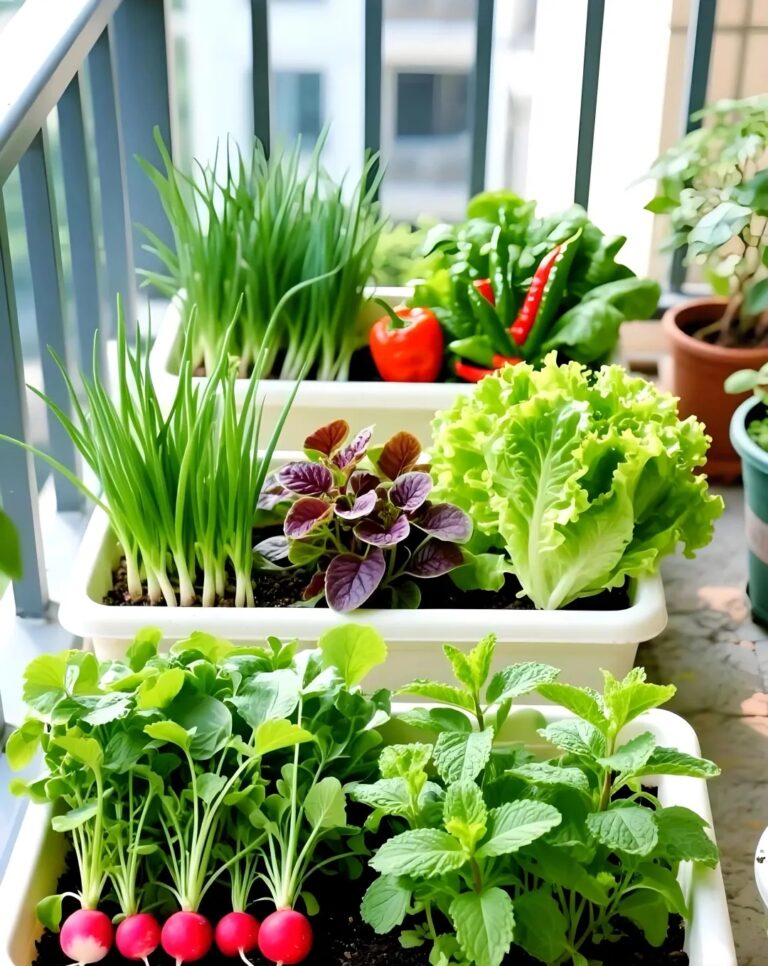
For balcony vegetable gardening, creating your own growing medium is often a better option, especially for nutrient-hungry vegetables like chili peppers and tomatoes. Learning How to Mix Your Own Balcony Veggie Soil allows you to create the ideal balance of nutrients, drainage, and moisture retention for healthier plants and more productive harvests.
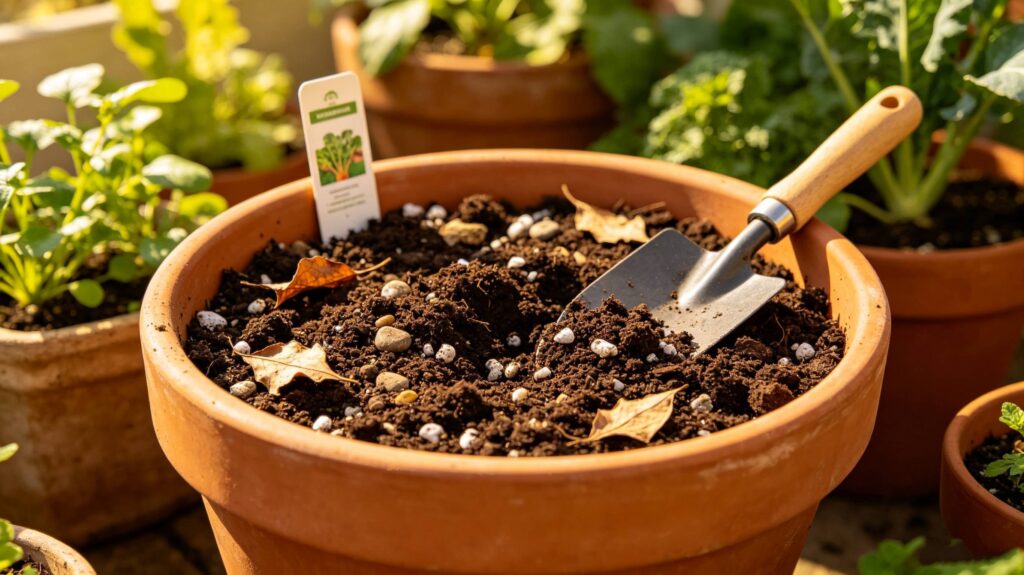
The advantage of making your own potting mix is that you have complete control over the proportions of each ingredient. You can flexibly adjust the mix’s density, pH level, and nutrient content based on different vegetable varieties and growth stages.
Moreover, making your own potting mix is usually less expensive than buying high-end bagged mixes. You only need to prepare a few basic ingredients and mix a batch that will last the entire growing season.
Sphagnum Moss and Coconut Coir: Two Basic Growing Media
Sphagnum moss has long been a standard base material in potting mixes across North America and Europe. It can absorb several times its own weight in water, is naturally acidic (which benefits most vegetables), and is free of weed seeds and pathogens during processing.
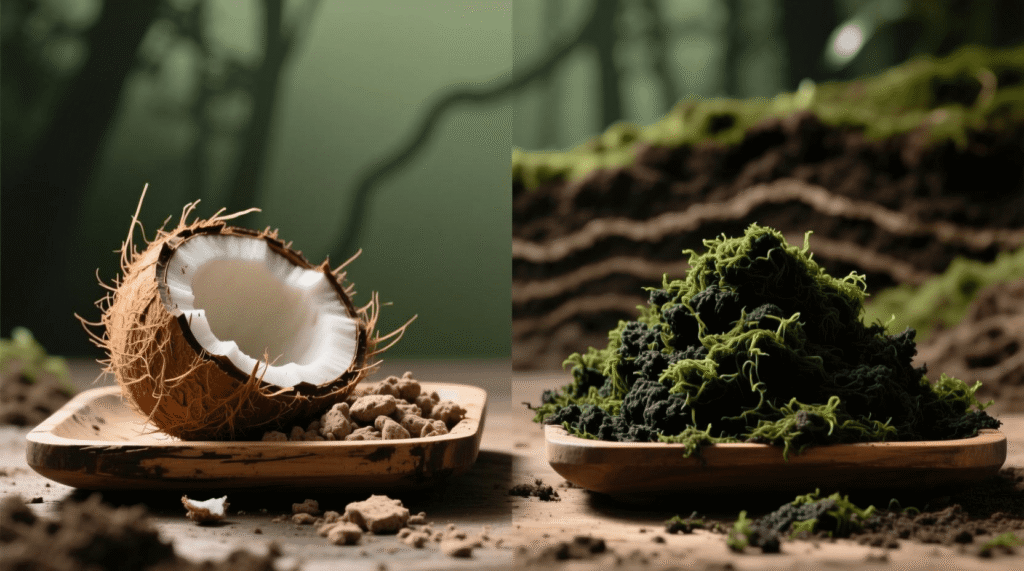
Coconut coir is a renewable resource that has become an increasingly popular alternative to peat in recent years. Coconut coir has water-holding capacity and texture similar to peat, but it is typically neutral to slightly acidic. If it contains excessive salt, it should be rinsed before use.
It is important to note that neither peat nor coconut coir contains significant nutrients on their own—they serve as the structural framework of the entire mix, holding other components in place and keeping the growing medium loose and well-aerated.
Perlite, Vermiculite, and Horticultural Sand: Regulating Drainage and Aeration
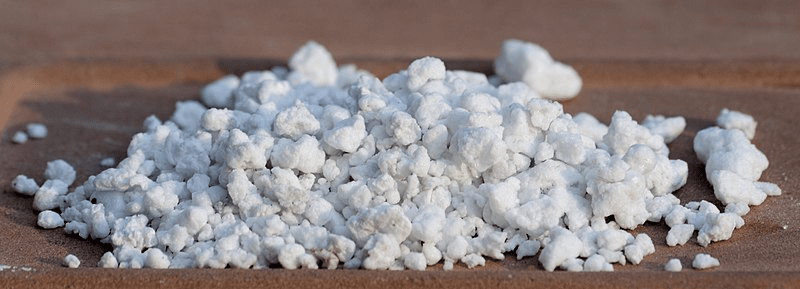
Perlite is the small white granules you often see in bagged potting soil; it looks like popcorn. Adding 10% to 30% by volume helps keep the growing medium loose, improves aeration, and prevents compaction—which is crucial for the root health of potted plants.
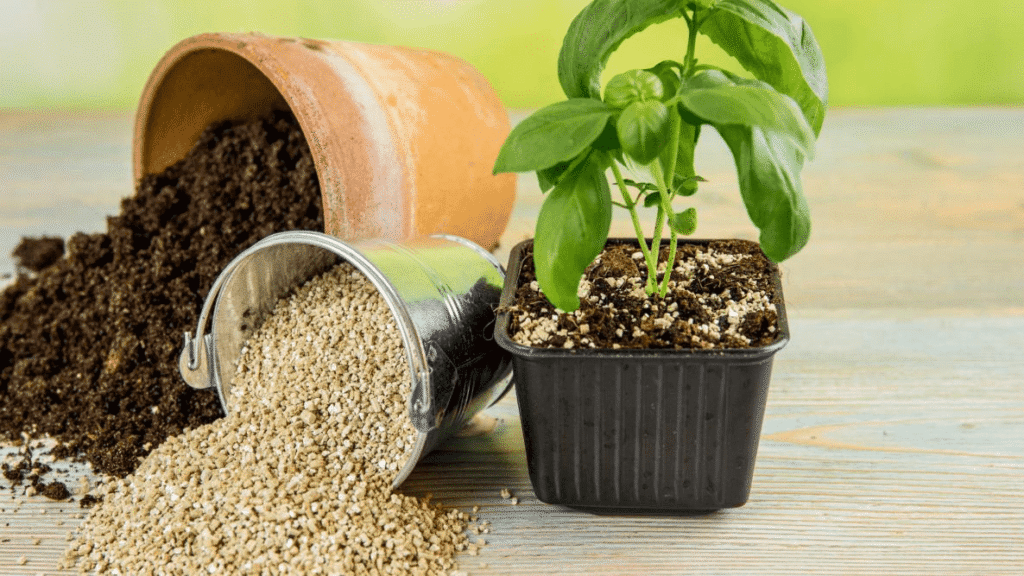
Vermiculite is another mineral material that improves aeration while retaining more moisture than perlite. It is especially useful in seed-starting mixes, helping maintain consistent moisture levels around delicate young roots.
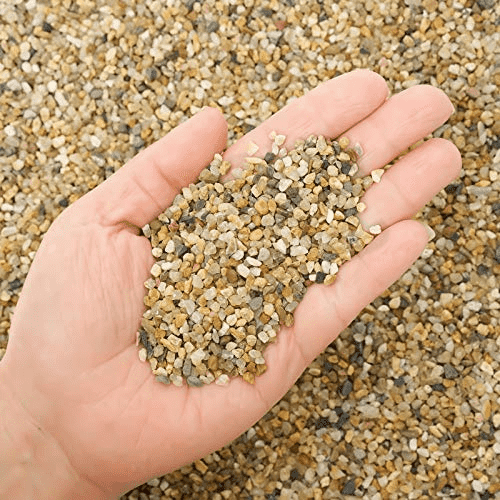
Coarse horticultural sand (rinsed river sand or coarse construction sand, not the fine sand used for children’s play) can be used to improve drainage in heavy, clay-based growing media. It is particularly well-suited for Mediterranean herbs or other crops that do not tolerate prolonged root moisture.
Compost and Well-Decomposed Manure: Sources of Organic Matter and Nutrients
High-quality, finished compost is the most valuable additive in potted vegetable mixes. It provides a variety of slow-release nutrients, beneficial microorganisms, and humus, which not only improve water retention but also enhance the structure of the growing medium.
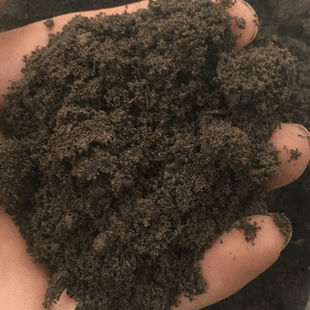
Well-composted animal manure (from herbivores such as cows, horses, and chickens) must be fully decomposed for 6 to 12 months and can be mixed into the mix at a lower percentage (10% to 20%) to boost nutrient content. However, fresh manure must never be used, as it will burn the roots and emit a foul odor.
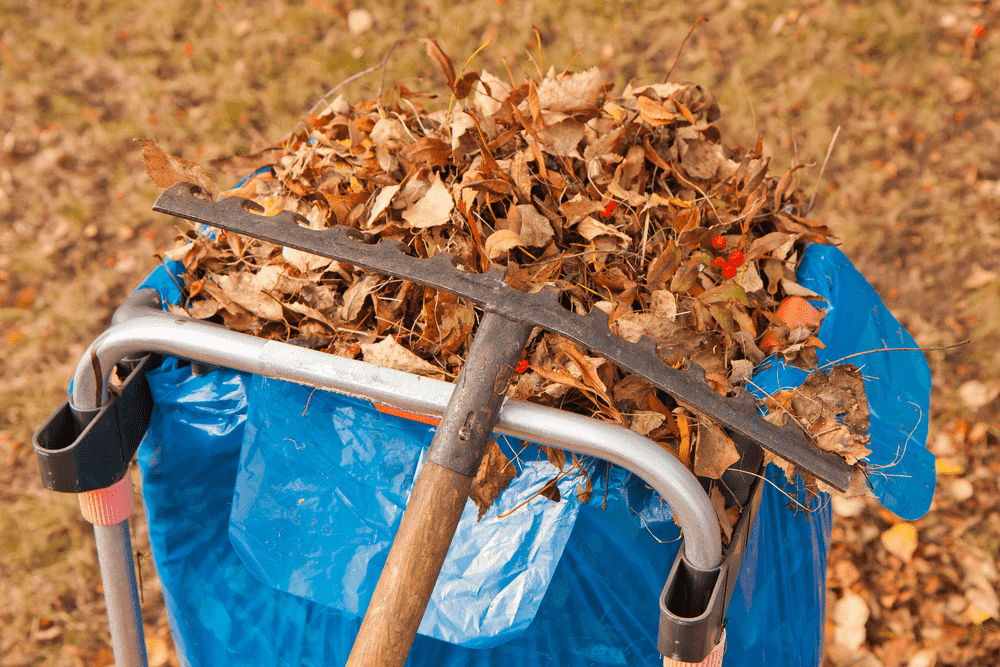
Leaf compost—humus produced by collecting fallen leaves and allowing them to decompose in a bin or compost pile for at least one year—is another excellent source of organic matter. While it is not as nutrient-rich as compost, it is highly effective at improving water retention and the texture of potting mixes.
Homemade Garden Soil: When and How to Use It
If you decide to add garden soil (the top 6 to 8 inches of topsoil from a healthy vegetable garden) to your potting mix, you must first sterilize it to kill any weed seeds, nematodes, and fungal pathogens before using it for potted plants.
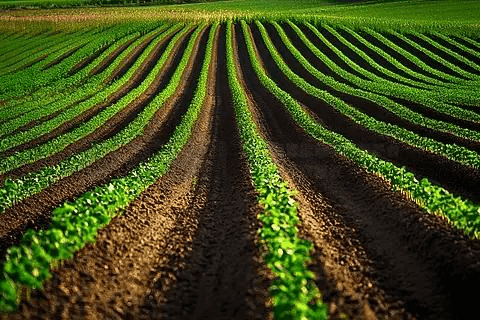
Garden soil can increase the weight and mineral content of your potting mix, helping stabilize tall pots or top-heavy plants, such as indeterminate tomatoes. In homemade mixes, garden soil typically makes up 20–30% of the total volume.
Important Note: Never use subsoil (the clay layer beneath the topsoil) or compacted, poorly draining garden soil, as these will negate the benefits provided by the other lightweight materials in the mix.
Wood Chips and Bark Chips: Increasing Organic Matter Volume
Aged or composted hardwood sawdust or bark chips can be mixed into potting mixes in small amounts (typically 5% to 10%) to improve porosity and help the growing medium remain loose during use.
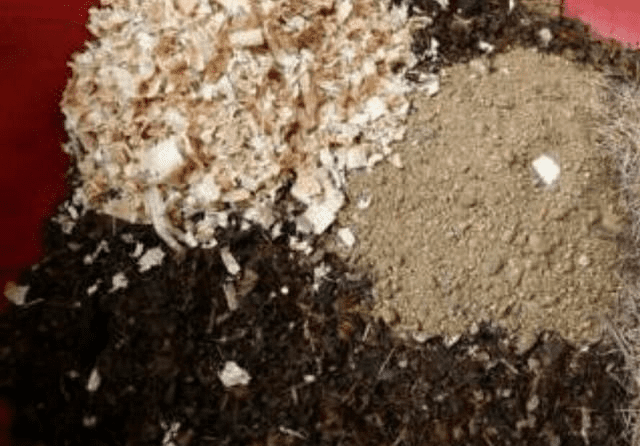
Fresh wood shavings must be composted separately for at least six months before use, as untreated fresh wood temporarily depletes nitrogen in the soil—a process known as “nitrogen fixation”—which can inhibit plant growth.
This ingredient is more commonly found in professional greenhouse mixes. However, DIY gardeners can also use it to create long-lasting potting mixes for large containers.
Charcoal and Wood Ash: Adjusting pH and Improving Drainage
Horticultural charcoal or biochar can be added in small amounts (no more than 5% to 10%) to increase the growing medium’s cation exchange capacity (that is, the soil’s ability to adsorb nutrients) and help reduce odors in closed containers.
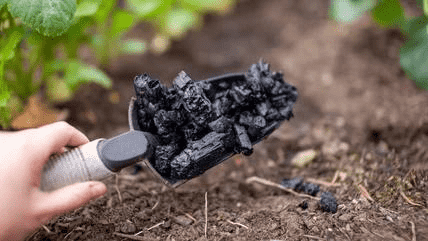
Wood ash from the combustion of untreated, unpainted hardwood can be used in small amounts to raise the pH of acidic growing media and supplement potassium. However, use it with caution—excessive amounts of wood ash can make the growing medium too alkaline, which is unsuitable for most vegetables.
Never use ashes from barbecue charcoal or from the burning of treated or painted wood, as these materials contain harmful chemicals and are unsuitable for growing food.
A Basic DIY Potting Mix Recipe for Vegetables
A reliable, general-purpose DIY potting mix recipe for vegetables is: 40% peat moss or coconut coir + 30% compost + 20% perlite or coarse sand + 10% garden soil (which must be sterilized). You can also add slow-release organic granular fertilizer when planting.
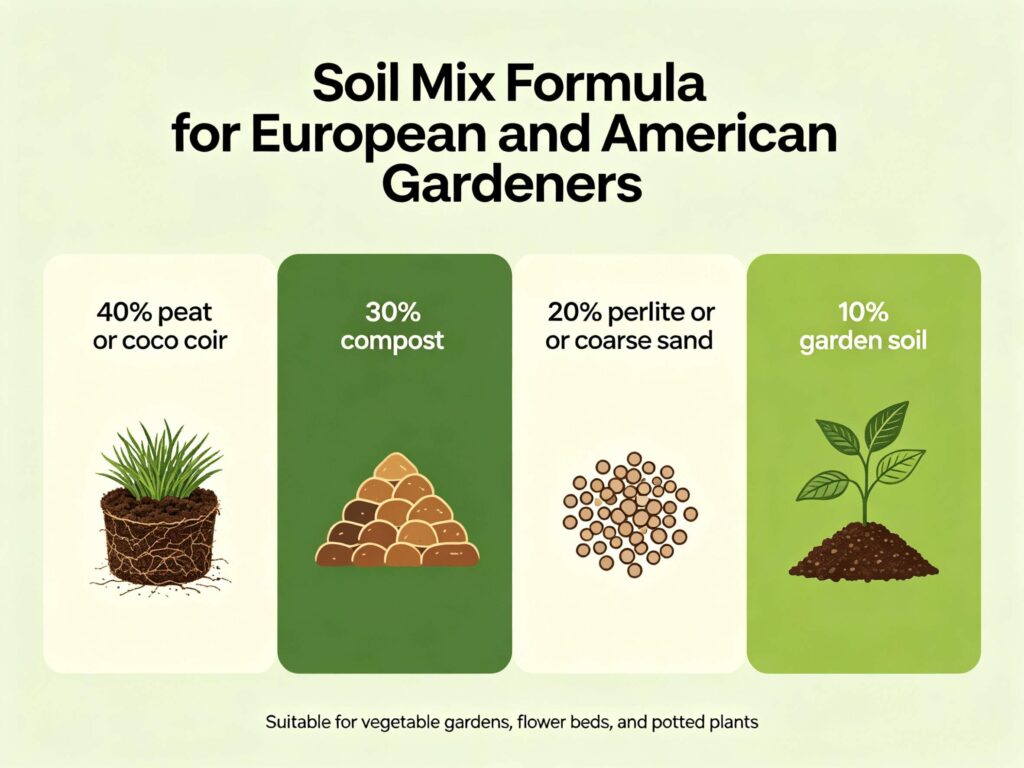
If using this mix for seed starting, reduce the compost content to 10–15% and increase the amount of perlite or vermiculite to create a finer-textured, lower-nutrient growing medium, helping prevent nutrient burn in delicate seedlings.
Before filling the pots, pre-moisten the dry growing medium—once dry peat moss and coconut coir are compacted in the pot, they have difficulty reabsorbing water. Mix thoroughly to ensure the ingredients are evenly distributed throughout the entire batch.
What Not to Add to Potting Mix
Do not use pure garden soil, heavy clay-based soil, or soil that has previously been used to grow diseased plants. These materials can cause soil compaction and poor drainage, and may also introduce pathogens.
Do not use fresh manure, uncomposted yard waste, or unaged wood chips, as these materials can burn roots, tie up nitrogen, or create uneven decomposition in the limited space of a container.
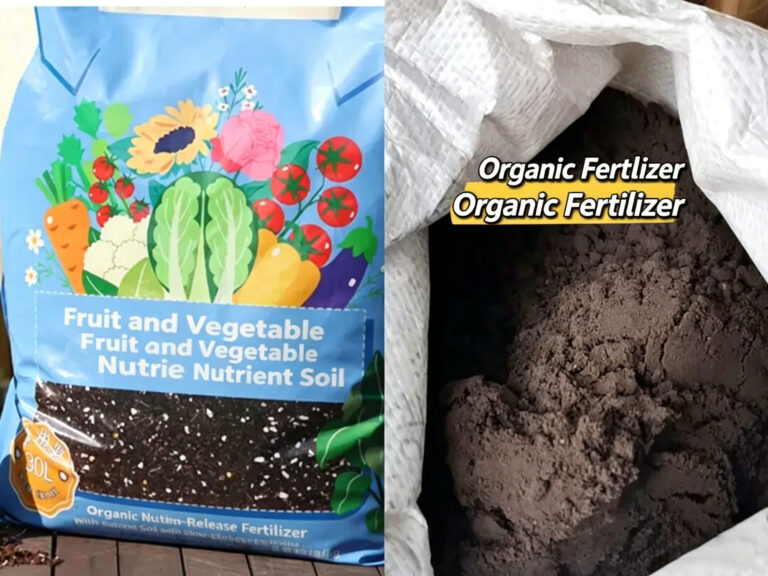
If you buy bagged potting mix, look for products labeled “for vegetables” or “organic potting mix,” and check that the ingredients include perlite or vermiculite as well as compost—rather than just peat moss and chemical fertilizer pellets, as such products may not provide sufficient support for high-nutrient-demand crops like tomatoes and peppers.